A year of grief and waiting: What remains when a plane falls from the sky
When I called Imtiyaz Ali to ask if we could meet, nearly a year after a plane crash killed his brother Javed, his sister-in-law Mariam, and their two children, we first decided to speak at his home in Mumbai. Hours later, he changed his mind. "Let's meet at the hotel instead,"
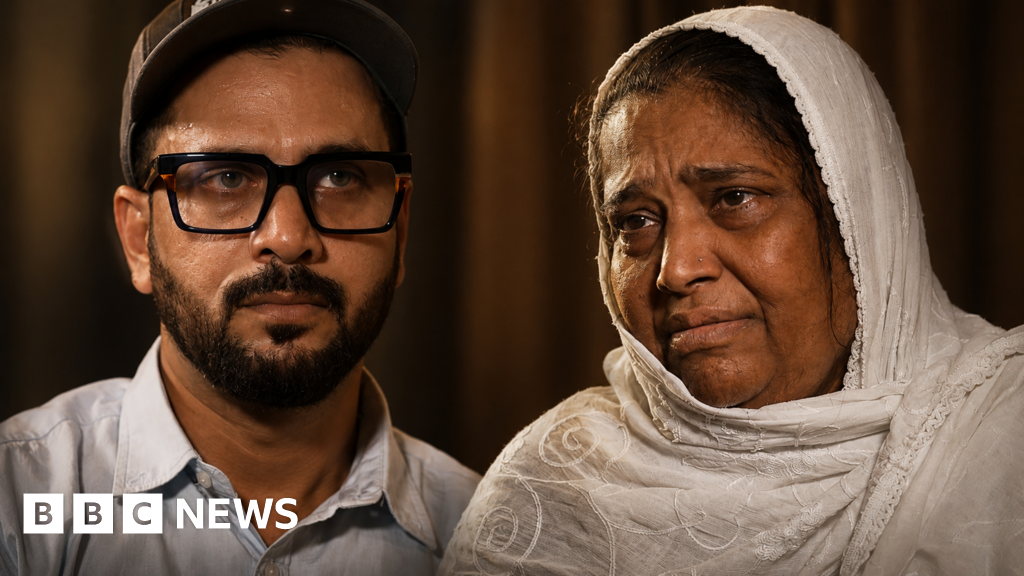
When I called Imtiyaz Ali to ask if we could meet, nearly a year after a plane crash killed his brother Javed, his sister-in-law Mariam, and their two children, we first decided to speak at his home in Mumbai.
Hours later, he changed his mind. "Let's meet at the hotel instead," he said.
Later, beneath the dim lights of a business hotel in Mumbai, he explained why.
Javed and his family had built a life in the UK, but they returned often to Mumbai to see Imtiyaz and the rest of the family. But after the crash, the house no longer felt quite the same. Something in it had shifted irreversibly - altered in ways the routines of ordinary life could neither explain nor repair.
"It feels," Imtiyaz said carefully, "like Javed is still there."
His mother Farida Bano would later put it more simply: "He follows me everywhere," she told the BBC. "Day and night."
In a few weeks, investigators are expected to release their final report into the crash of Air India Flight AI171, the Ahmedabad-to-London flight that fell from the sky less than a minute after takeoff last June. There was only one survivor among the 242 people on board.
For a year, the families of the victims have lived with unanswered questions: what happened in the cockpit, why the aircraft lost thrust, whether the disaster was human error, mechanical failure or something else entirely.