Researchers digitally unroll and read 2,000-year-old Herculaneum scroll PHerc 1667
Scientists digitally unrolled and fully read a 2,000-year-old Roman scroll (PHerc 1667) from Herculaneum using AI and X-ray scans, revealing its text for the first time. This breakthrough preserves fr
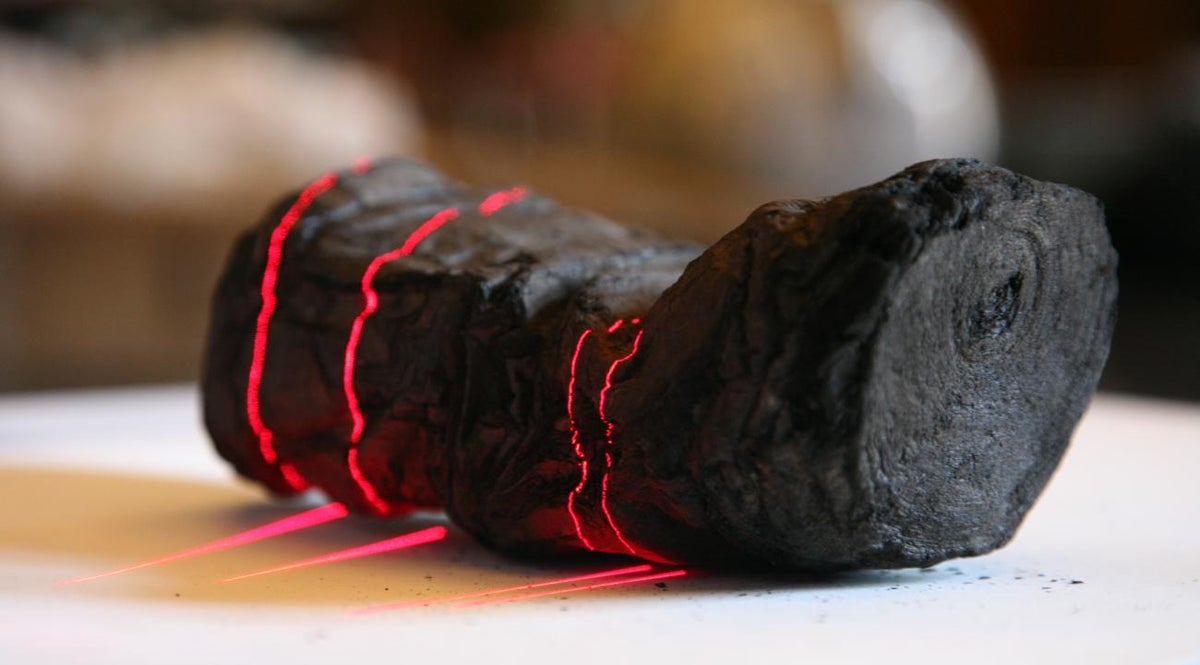
Scientists have digitally unrolled ancient Roman scrolls destroyed by the eruption of Mount Vesuvius in 79 AD, revealing their contents for the first
Read Full Story at Scientific American →Why This Matters
This breakthrough isn't just about reading a 2,000-year-old text—it represents a paradigm shift in how we recover lost knowledge. For centuries, Herculaneum's scrolls were considered irretrievable artifacts, their contents buried under the same volcanic ash that preserved them. The ability to digitally unravel them without physical damage opens a new frontier for classical scholarship, potentially unlocking thousands of other scrolls that could rewrite our understanding of ancient philosophy, literature, and daily life.
Background Context
Herculaneum's library was a treasure trove of Epicurean thought, but its recovery has been painfully slow. Unlike Pompeii's more famous ruins, the scrolls were carbonized into brittle, fragile tubes that shattered at the slightest touch. Early attempts at unrolling them in the 18th century destroyed most of the collection. The Vesuvius eruption didn't just bury the city—it froze intellectual history in a state of permanent limbo until now.
What Happens Next
The next phase will likely focus on refining the AI models to handle even more degraded scrolls, with a potential domino effect across other lost texts. Archaeologists may now prioritize scanning other carbonized artifacts, while ethical debates will intensify over how to balance preservation with discovery. The biggest open question isn't whether more scrolls will be read—it's how much of ancient thought has been hiding in plain sight, waiting for technology to catch up.
Bigger Picture
This achievement fits into a broader trend where technology is dismantling the barriers of time. From AI-assisted restoration of frescoes to machine learning that reconstructs shattered pottery shards, the humanities are entering an era of digital archaeology. It also underscores how much of history's lost voices—especially those of marginalized groups—may still be recoverable, provided we invest in the tools to hear them.







