Android 17 makes it easier for parents to manage their kids’ screen time with these new controls
Affiliate links on Android Authority may earn us a commission. Learn more. Giving a child a smartphone often comes with an unspoken second job: constantly figuring out how much screen time is too much. Google is trying to simplify that process by making Android’s built-in parent
Affiliate links on Android Authority may earn us a commission. Learn more.
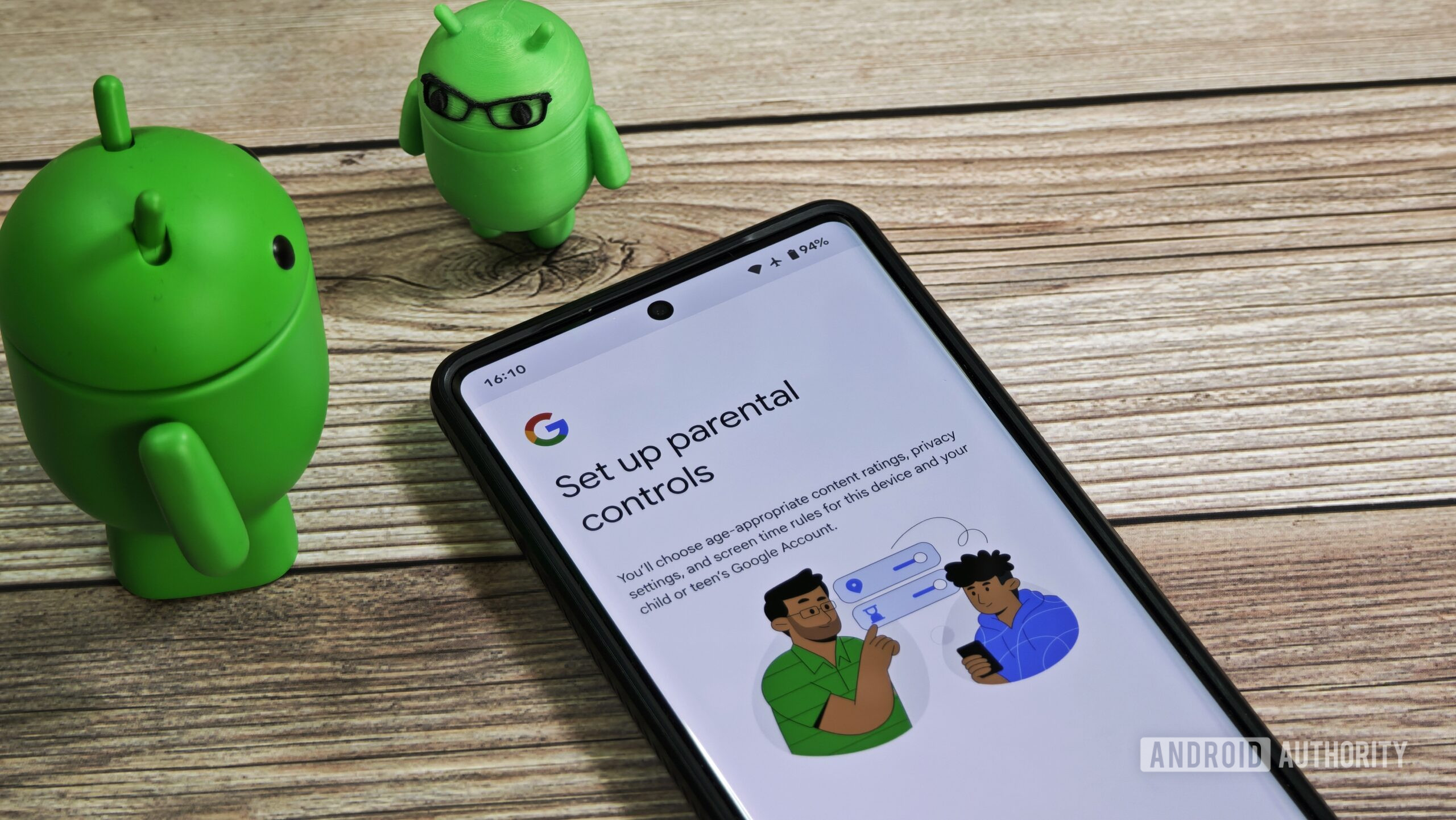
Giving a child a smartphone often comes with an unspoken second job: constantly figuring out how much screen time is too much. Google is trying to simplify that process by making Android’s built-in parental controls available on a much wider range of devices.
The company first rolled out Android’s built-in parental controls on Pixel phones last year with the Android 16 QPR2 release . Now, these features are being extended to devices that will update to Android 17 , putting more screen-time and app-management tools directly into parents’ hands.
The idea here is to make it easier for parents to set boundaries without turning every screen-time discussion into a negotiation. From a single settings menu, parents can set daily device limits, schedule automatic lockouts during bedtime hours, and restrict access to apps or content they deem age-inappropriate.
For instance, a parent could allow a child two hours of recreational screen time on weekdays, automatically disable the phone after bedtime, and place stricter limits on attention-grabbing apps such as social media or video platforms. It’s a more structured approach than simply taking the device away when things get out of hand.
Android’s parental controls also work alongside Google Family Link , which unlocks additional features for families that want deeper oversight. That includes tools such as school-focused device restrictions, app purchase approvals, and location-based notifications that can help parents know when a child arrives at or leaves a specific place.
Concerns around excessive screen time, online safety, and social media’s impact on younger users have become increasingly difficult to ignore. While parental controls aren’t a magic solution, they can give families a practical middle ground between unrestricted access and a complete smartphone ban.
Google is also backing its broader digital wellbeing efforts with additional funding in the US, bringing its investment to over $50 million. The goal is to support programs that promote healthier relationships with technology while addressing loneliness and social isolation among young people.