Anthropic rankles users with safety-first Fable release
Anthropic’s latest AI model might be the company’s most powerful public release, but the system’s strict safety measures quickly triggered some of the strongest backlash the AI giant has faced. Get unlimited access to ad-free articles and exclusive content. Many users, some of
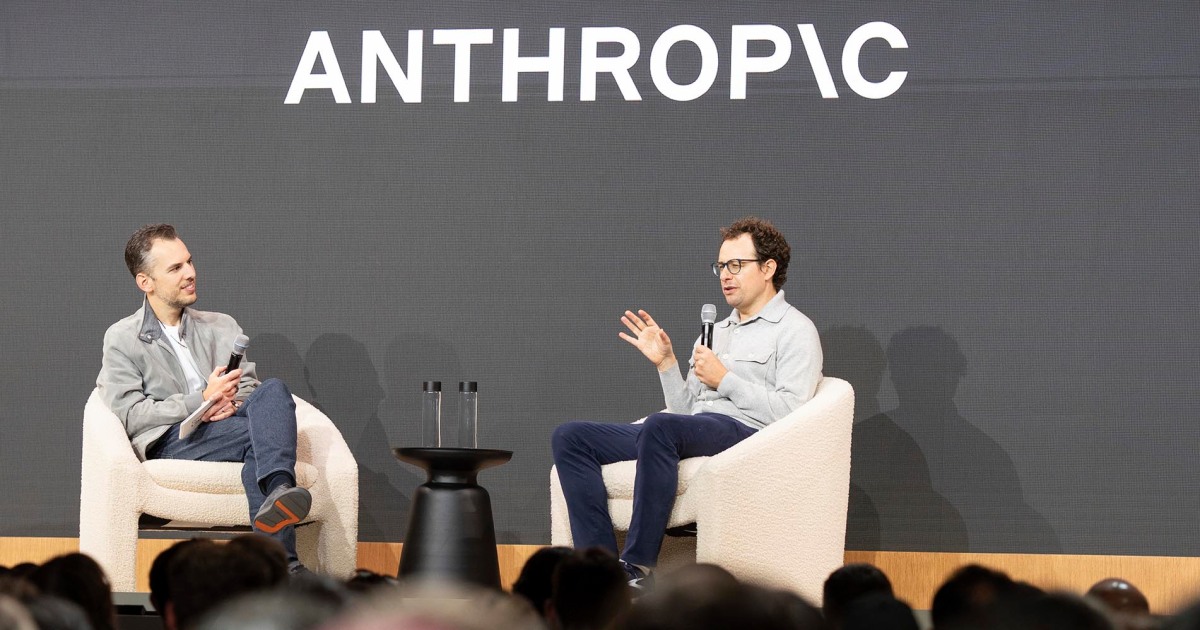
Anthropic’s latest AI model might be the company’s most powerful public release, but the system’s strict safety measures quickly triggered some of the strongest backlash the AI giant has faced.
Get unlimited access to ad-free articles and exclusive content.
Many users, some of whom have marveled at Anthropic’s previous announcements, torched the company for debuting its Fable 5 model on Tuesday with what they say are overly stringent guardrails. In some cases, when the model classified a query as potentially sensitive, it would provide a lower-quality answer without informing the user of the downgrade.
After the outcry, Anthropic backtracked and reversed some of its most conservative decisions less than two days after Fable 5’s release, highlighting growing concerns about AI companies’ ability to unilaterally limit users’ access to helpful AI-generated information.
“You should have visibility into the safeguards we have in place, and why. We’re sorry for not getting the balance right,” Anthropic wrote on X early Thursday .
Nathan Lambert, a leading AI researcher who champions collaborative approaches to building AI systems, wrote that with the cautious debut, “Anthropic has made it pretty clear that they only trust themselves as the mediators of cutting-edge AI research.”
Anthropic’s Fable 5 system is the first consumer-facing system from Anthropic’s Mythos family of models. An early, nonpublic version of Mythos spooked policymakers and corporate executives in April for its ability to find more than 10,000 severe bugs and vulnerabilities in important software systems.
Anthropic fears that powerful AI models like Mythos could allow bad actors to use AI systems to commit crimes, from launching crippling cyberattacks against critical infrastructure to designing bioweapons that could kill masses of people.