Bayer wins Supreme Court Roundup case 7-2
The U.S. Supreme Court ruled 7-2 that federal pesticide law blocks state "failure-to-warn" claims on Roundup, protecting Bayer from ~65,000 lawsuits, but it doesn't shield the company from broader neg
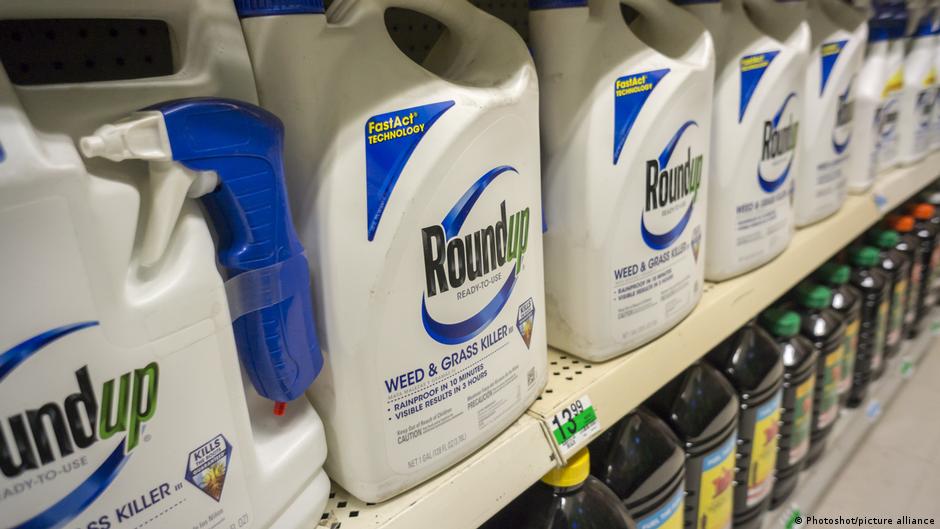
Bayer just won a major U.S. Supreme Court ruling that blocks roughly 65,000 pending lawsuits from using state courts to force “failure-to-warn” claims
Read Full Story at DW World →Why This Matters
The Supreme Court’s decision underscores the tension between federal regulatory authority and state tort law, particularly in cases where plaintiffs argue corporate negligence. While Bayer secures a legal victory, the ruling leaves unresolved questions about public trust in pesticide safety and corporate accountability for long-term health risks.
Background Context
Roundup, Monsanto’s glyphosate-based herbicide, has faced thousands of lawsuits alleging it causes cancer, with plaintiffs pointing to failures in warning consumers about risks. The EPA has long classified glyphosate as non-carcinogenic, but internal Monsanto documents revealed in litigation suggested the company sought to suppress unfavorable research—a factor the Supreme Court did not address.
What Happens Next
Bayer may now shift focus to settling remaining claims more aggressively, but the door remains open for future lawsuits grounded in other legal theories, such as fraud or defective design. Meanwhile, the EPA’s regulatory stance on glyphosate could face renewed scrutiny as states and advocacy groups push for stricter labeling requirements or bans.
Bigger Picture
This case reflects a broader pattern of corporations leveraging federal preemption to block state-level liability claims, a strategy increasingly deployed in industries like pharmaceuticals and chemicals. The ruling also highlights how decades-old scientific debates—like those over glyphosate’s safety—continue to reshape legal and regulatory landscapes long after initial approvals.