Church condemns series of massacres in Honduras
The Roman Catholic Church in Honduras condemned recent massacres, urging authorities to investigate and strengthen security. The violence, linked to organized crime and land disputes, has sparked public outrage and protests demanding accountability.
The Roman Catholic Church in Honduras has strongly condemned a wave of massacres across the country, calling for urgent action to halt the escalating violence that has claimed dozens of lives in recent weeks. In a statement issued by the Honduran Episcopal Conference, church leaders expressed deep concern over the "brutal and senseless killings," which have targeted civilians in multiple regions. The bishops urged authorities to strengthen security measures and investigate each incident thoroughly to bring those responsible to justice. The plea comes amid growing public outrage over the persistent insecurity plaguing parts of the Central American nation.
While the statement did not attribute the massacres to specific groups, human rights organisations and local media reports have linked some of the violence to organised crime, land disputes, and political tensions. Honduras, which has long struggled with high homicide rates, has seen a recent surge in targeted killings, including attacks on community leaders and vulnerable populations. The church’s intervention highlights broader concerns about the rule of law and the state’s capacity to protect citizens from such brazen acts of violence. Analysts warn that unless decisive measures are taken, the cycle of retaliatory violence could further destabilise the country.
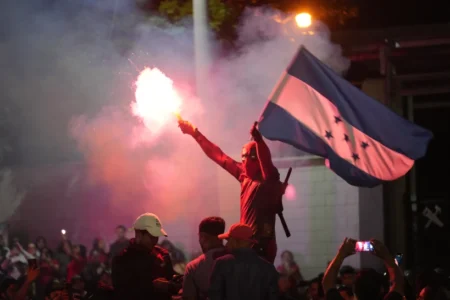
The Honduran Episcopal Conference also called on civil society to unite in rejecting violence and promoting peaceful coexistence. In their message, the bishops emphasised the need for dialogue and social reconciliation, framing the crisis as both a moral and humanitarian imperative. The church’s stance carries significant weight in a country where Catholicism remains a dominant cultural and social force. Meanwhile, civil society groups have organised vigils and protests, demanding accountability from authorities and an end to impunity.
As the international community watches closely, the church’s condemnation underscores the urgency of addressing Honduras’ deep-rooted security challenges. With local and regional stakeholders under pressure to respond, the coming weeks will be critical in determining whether these appeals translate into tangible action to curb the bloodshed and restore stability.