Could this ancient burial site be the oldest lethal plague outbreak?
Could this ancient burial site be the oldest lethal plague outbreak? Graves of hunter-gatherers in Siberia point to a deadly disease outbreak dating to some 5,500 years ago, a new DNA analysis finds By Jackie Flynn Mogensen edited by Claire Cameron Plague has terrorized humans
Could this ancient burial site be the oldest lethal plague outbreak?
Graves of hunter-gatherers in Siberia point to a deadly disease outbreak dating to some 5,500 years ago, a new DNA analysis finds
Plague has terrorized humans for millennia : In the 1300s the Black Death sparked the deadliest pandemic in human history, killing as many as half of all the people in Europe . Long before that, around C.E. 540, plague destabilized the Roman Empire, and some scholars argue this may have precipitated the empire’s collapse. But when and where plague actually first arose has long been a mystery. Now a new study published today in Nature claims to have identified deadly cases of plague in hunter-gatherers dating back some 5,500 years ago. The outbreak marks the earliest known cases of plague in human history.
The findings reveal a new characteristic of ancient plague outbreaks: they didn’t need densely populated communities to occur, says Roman Woelfel, director of the Bundeswehr Institute of Microbiology in Germany, who was not involved in the new study.
“This study is exciting because it pushes lethal plague outbreaks further back in time and into a very different social setting than we often imagine,” he says. “The striking point is that these were not dense urban or farming populations but small hunter-gatherer communities, yet plague still appears to have caused severe, clustered mortality.”
If you're enjoying this article, consider supporting our award-winning journalism by subscribing . By purchasing a subscription you are helping to ensure the future of impactful stories about the discoveries and ideas shaping our world today.
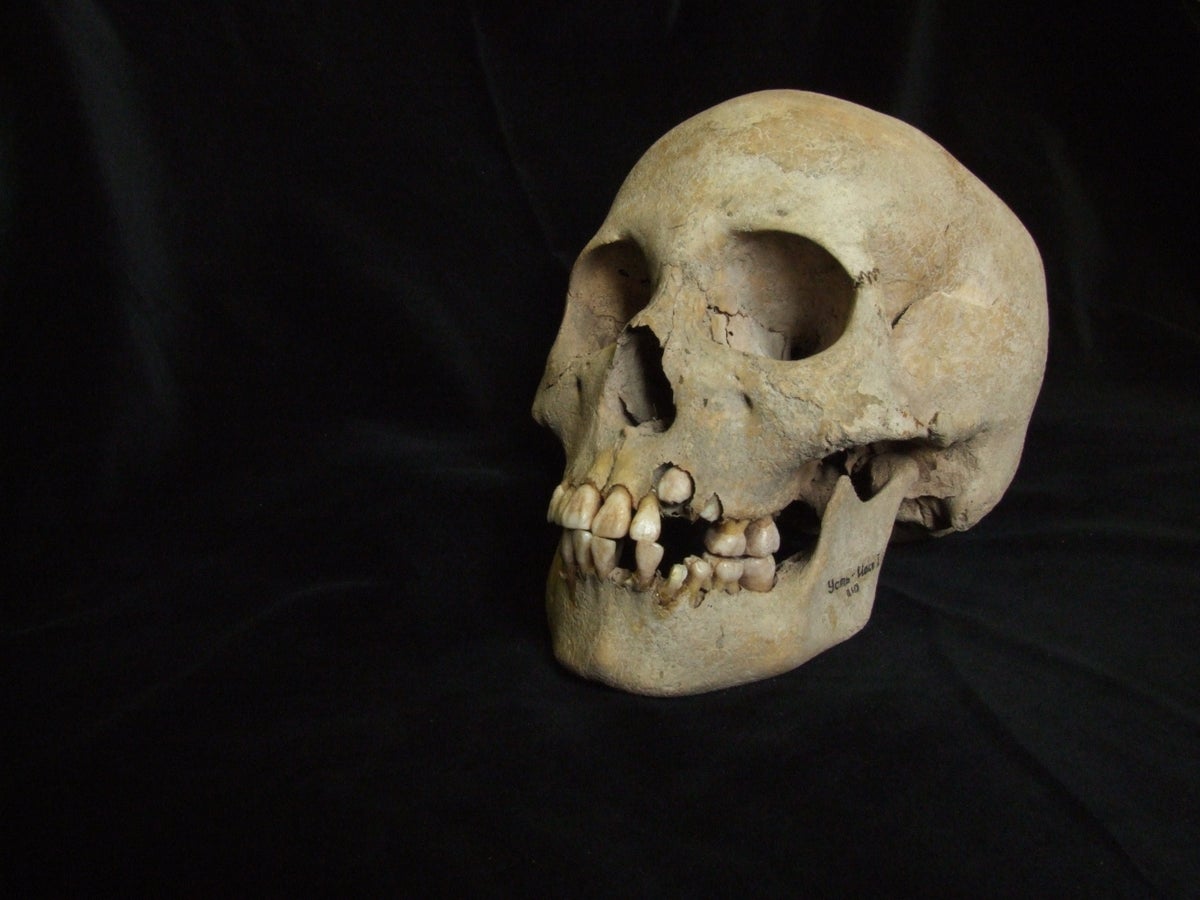
The researchers analyzed the remains of dozens of hunter-gatherers buried in cemeteries near Lake Baikal in Siberia during the mid-Holocene—a period that spanned from about 7,000 to 5,000 years ago. Genetic data revealed many of the individuals were infected with Yersinia pestis, the bacterium that causes plague. They found that many members of the same family were infected, suggesting human-to-human transmission. Children between the ages of eight and 11 were especially vulnerable.
“This is the first time that we’ve seen direct evidence for mass lethality and outbreaks of plague in prehistoric hunter-gatherer societies,” said Ruairidh Macleod, lead author of the paper and a postdoctoral research fellow at the University of Oxford, at a press briefing on Tuesday.







