Crowdsourcing could discover new meteor showers and more
Scientists need more snapshots of shooting stars—and you can help Meteor camera networks can reveal the hidden history of the solar system, and you can assist from your own backyard Stay connected to The Universe: Get email alerts for this weekly column by Phil Plait We need t
Scientists need more snapshots of shooting stars—and you can help
Meteor camera networks can reveal the hidden history of the solar system, and you can assist from your own backyard
Stay connected to The Universe: Get email alerts for this weekly column by Phil Plait
We need to keep better track of invaders from space. And by invaders, I mean meteors. And by we, I mean you —or, more accurately, any astronomy nerd who can.
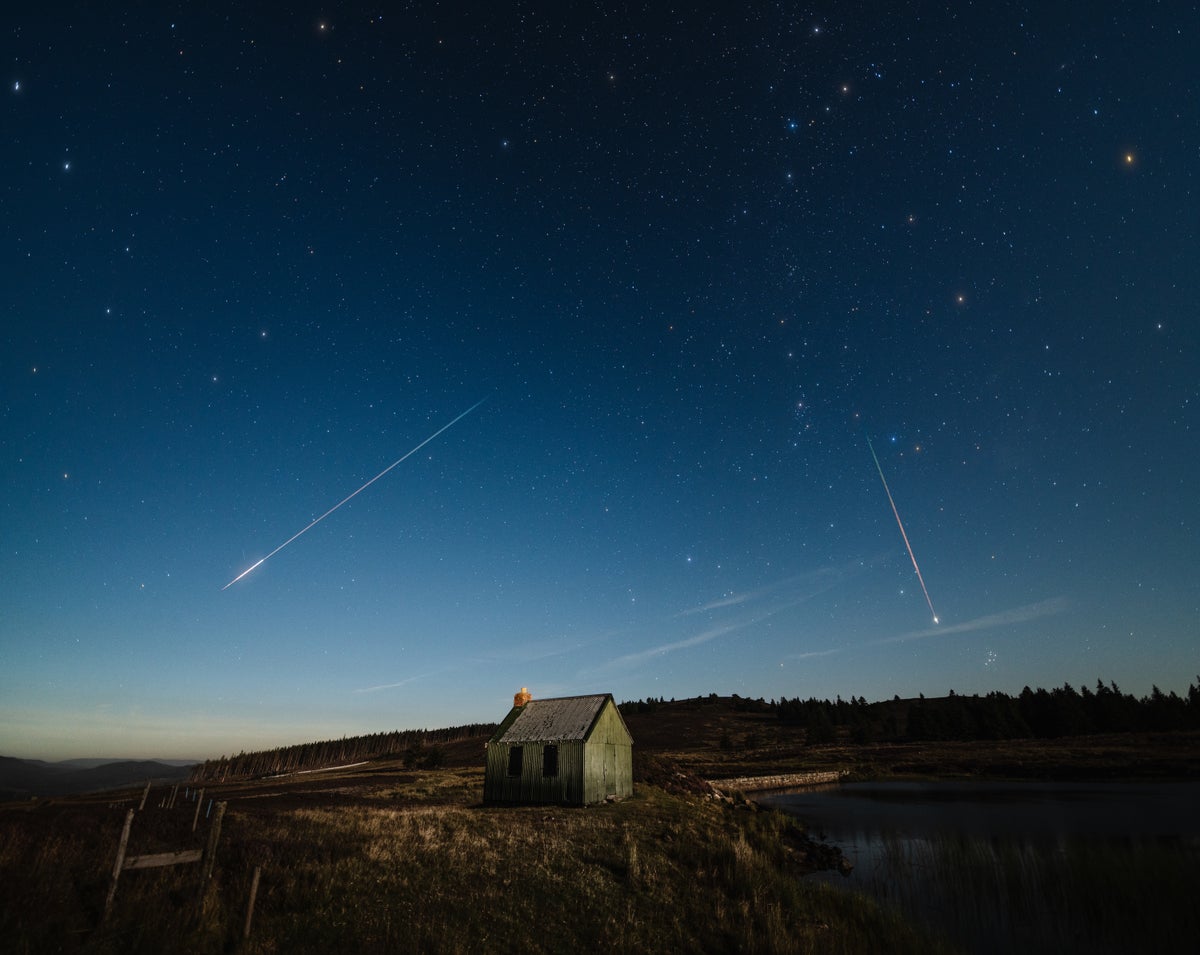
Meteors, sometimes poetically, if not terribly accurately, called shooting stars, are the luminous displays that occur when cosmic debris—usually small bits of rock or metal—hits Earth’s air. These tiny chunks, generically called meteoroids, ram through the upper atmosphere at hypersonic speeds, heating up the gas ahead of them so much that it glows, creating bright meteors. The meteoroid heats up tremendously as well, ablating—blowing off—material from its surface, often leaving a lingering bright streak called a train. Usually, the meteoroid itself vaporizes high above the ground.
And then those of us down here ooh and aah because, honestly, meteors are a lot of fun to watch.
If you're enjoying this article, consider supporting our award-winning journalism by subscribing . By purchasing a subscription you are helping to ensure the future of impactful stories about the discoveries and ideas shaping our world today.
Meteoroids come in two broad varieties. Those created by asteroids colliding with each other are essentially shrapnel orbiting the sun and can come from anywhere in the sky at any time, so they’re called sporadic meteors. Others are composed of rocks and dust shed more gently by sunlight-warmed comets and follow much the same orbit as the parent body; the result is meteor showers that repeat at the same time every year when Earth plows through their path.