Eric Topol
The famed cardiologist discusses how AI has transformed biomedical science Kimberly White/Stringer/Getty Images for Wired Eric Topol is a cardiologist and scientist who is currently serving as the executive vice president of Scripps Research, the largest nonprofit biomedical re
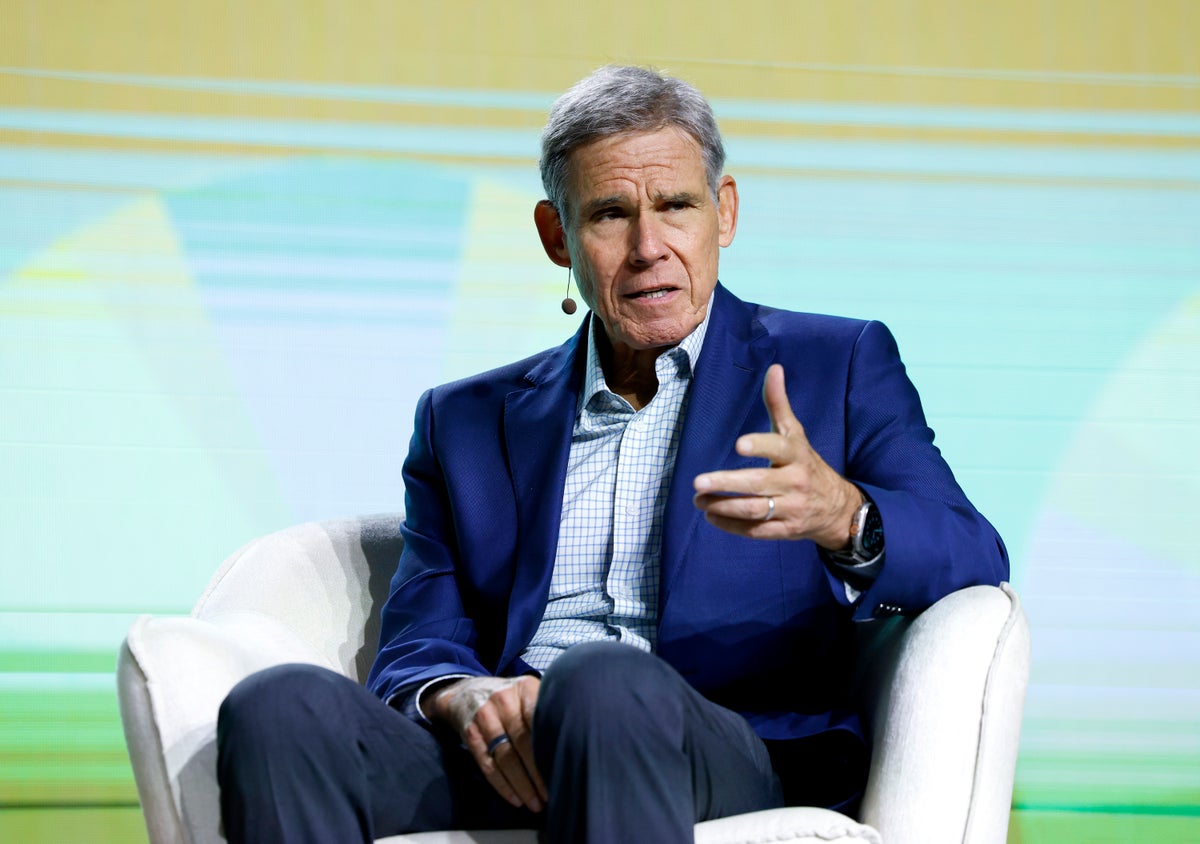
The famed cardiologist discusses how AI has transformed biomedical science
Eric Topol is a cardiologist and scientist who is currently serving as the executive vice president of Scripps Research, the largest nonprofit biomedical research institute in the U.S. He is also founder and director of the Scripps Research Translational Institute. Topol has authored four best-selling books on the future of medicine and publishes Ground Truths, a weekly newsletter and podcast on cutting-edge biomedical advances.
How would you describe the current state of American science?
If you're enjoying this article, consider supporting our award-winning journalism by subscribing . By purchasing a subscription you are helping to ensure the future of impactful stories about the discoveries and ideas shaping our world today.
Well, there’s no shortage of talent and great minds, but there are definitely bottlenecks. Funding has been a struggle, and the flow of funding even when grants are getting awarded is slow. So it’s not going well.
What we’re seeing right now is that Chinese science is moving at an exponential pace and is towering above in leading journals. So we have a new strong competitor to be a dominant player in life science, and we need to recognize that there used to be superiority in the U.S., and that’s no longer true.
Years ago, the idea was to triple the National Institutes of Health budget, invest more in science, because it has unlimited potential. Now the opportunities are more vast than ever, and the funding is not proportionate at all to those opportunities. And on the other hand, the investment in China and other countries has never been compromised.
The problem isn’t just that we’re not giving grants out but also that young scientists are getting passed over for support and going into other fields or industry, where you have to do the experiments that the company wants because they’re beholden to their shareholders. So we’re losing out.