Failed joint jet project highlights Europe's defense dilemma
Anyone who wants to be taken seriously in the European defense industry shows up to Eurosatory, France's largest defense trade show, held every two years. This week, the industry is once again showcasing its latest advances at the sprawling exhibition grounds in Villepinte, near
Anyone who wants to be taken seriously in the European defense industry shows up to Eurosatory, France's largest defense trade show, held every two years. This week, the industry is once again showcasing its latest advances at the sprawling exhibition grounds in Villepinte, near Paris. More than 2,000 exhibitors mingle with military officials, politicians, and industry professionals.
With order books full , the mood should be upbeat. European governments want to reduce their defense dependency on the United States and are investing hundreds of billions of euros to advance that goal.
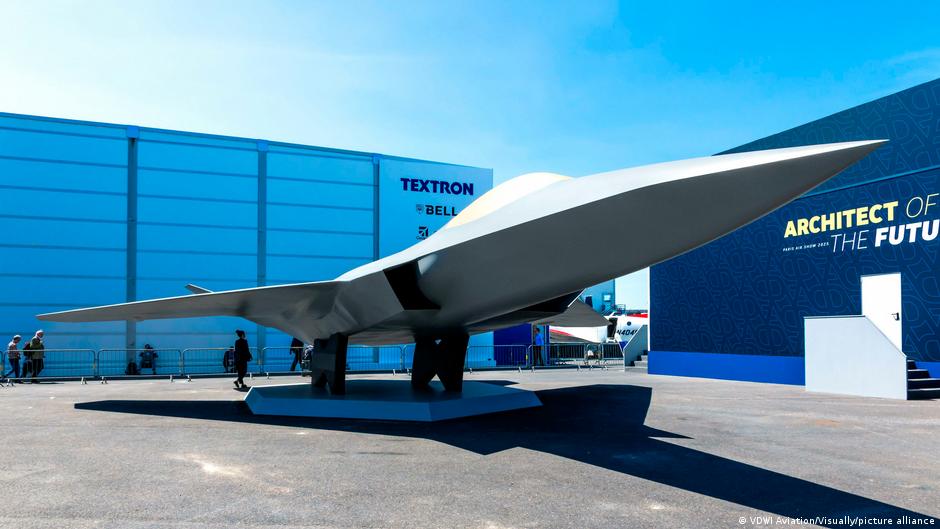
However, the prevailing optimism is being tempered by disappointment. Europe's most ambitious defense project aimed at greater strategic autonomy effectively collapsed just days ago: Germany and France dealt what appears to be a fatal blow to their joint sixth-generation fighter aircraft program. The centerpiece of the Future Combat Air System (FCAS) will not be built as a joint project after all.
French Defense Minister Catherine Vautrin avoided the subject in her opening speech on Monday. Nevertheless, there are growing signs that Paris and Berlin have become deadlocked not only over the fighter jet program, but also their joint battle tank project.
President Emmanuel Macron and former Chancellor Angela Merkel launched FCAS in 2017 in response to Brexit and the election of US President Donald Trump to the White House. The fighter aircraft initiative was accompanied by a Franco-German tank program called the Main Ground Combat System (MGCS). Under the arrangement, France was to take the lead on the fighter jet project, while Germany would oversee the tank program.
Since then, President Macron has repeatedly warned that if FCAS fails, MGCS could ultimately suffer the same fate.
To view this video please enable JavaScript, and consider upgrading to a web browser that supports HTML5 video
Last weekend, Armin Papperger, head of Germany's largest defense company Rheinmetall, fueled the uncertainty. Papperger told Welt am Sonntag that Paris is considering drastically cutting funding for the project, but said that no final decision has been made.