UK approves housing 3,750 asylum seekers in military bases
The UK plans to house nearly 3,750 asylum seekers in three new military bases if local approval is granted, aiming to cut hotel costs which peaked at 56,000 people last year. Critics argue barracks co
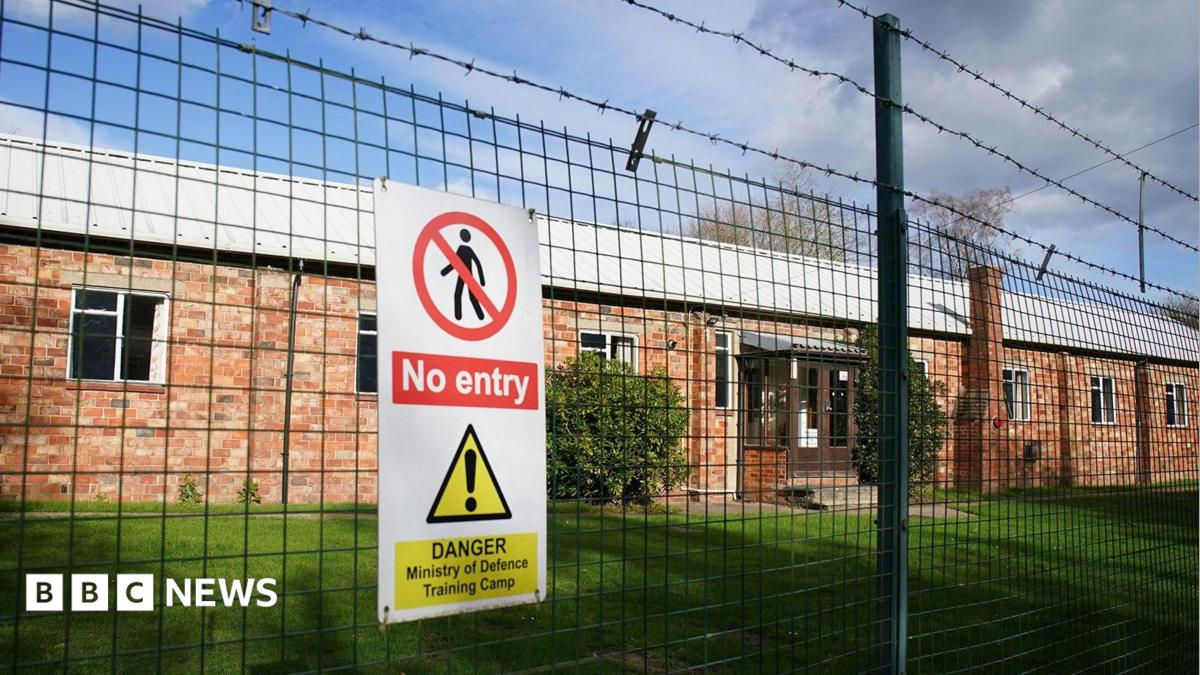
The UK government plans to use three more military sites—Bicester in Oxfordshire, Barnham in Suffolk, and Linton-on-Ouse in North Yorkshire—to house n
Read Full Story at BBC Politics →Why This Matters
The Home Office’s proposal to repurpose military bases for asylum seekers underscores a strategic pivot in the UK’s immigration policy, one that prioritizes cost-cutting over traditional dispersal models. Beyond fiscal concerns, this shift raises questions about the long-term viability of using state infrastructure—historically reserved for defense—for domestic migration management, potentially normalizing extraordinary measures in response to chronic policy failures.
Background Context
Military barracks have intermittently housed asylum seekers since the late 20th century, but their use has surged amid record-high backlogs and a collapse in local accommodation availability. The Home Office’s reliance on these facilities reflects broader institutional strain, with hotels—once a stopgap measure—now costing taxpayers over £3 billion annually while failing to address integration or processing bottlenecks.
What Happens Next
Local opposition, particularly from MPs representing affected regions, could derail or delay the plan, forcing the government to explore alternative sites or extend existing hotel contracts. Meanwhile, the military’s role in domestic policy risks blurring lines between defense and immigration enforcement, potentially drawing scrutiny from civil liberties groups and parliamentary committees.
Bigger Picture
This initiative aligns with a global trend of militarizing migration management, where states deploy security infrastructure to address humanitarian crises. Yet the UK’s approach risks entrenching a cycle of displacement by treating asylum seekers as temporary burdens rather than individuals caught in systemic policy gaps, further eroding public trust in the immigration system.








