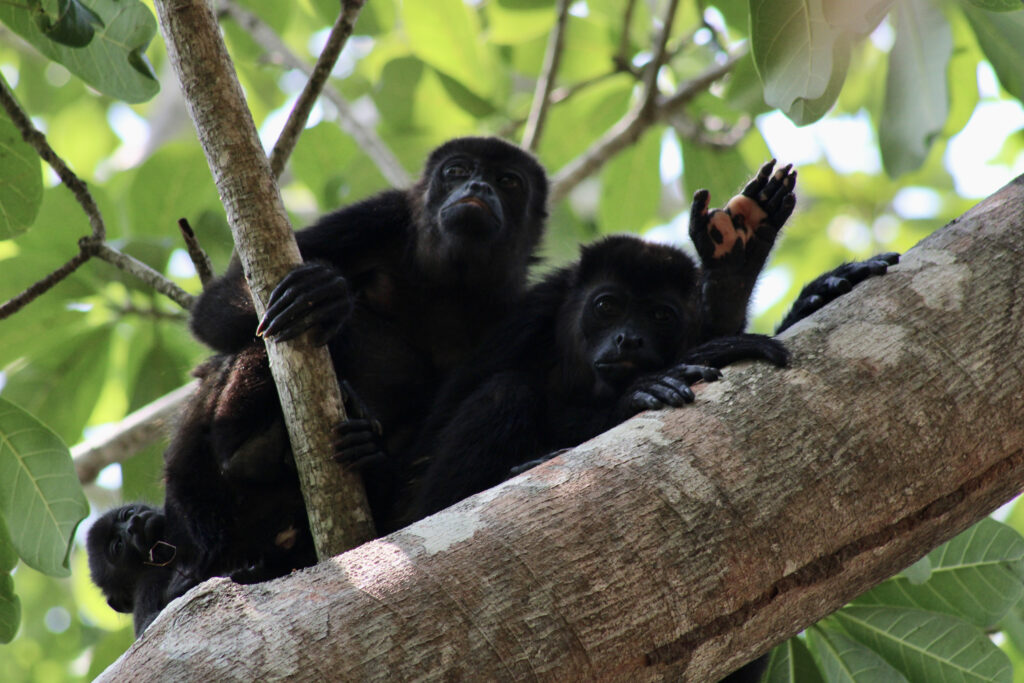
Honeybees make specialised ‘baby food’ to give larvae balanced diet, study says
Researchers also discover bees can adjust their diets when pollen sources do not provide healthy level of nutrients Honeybees blend a special “baby food” to give their larvae a balanced diet, with adult bees also able to regulate their feeding to avoid overconsuming certain nutr
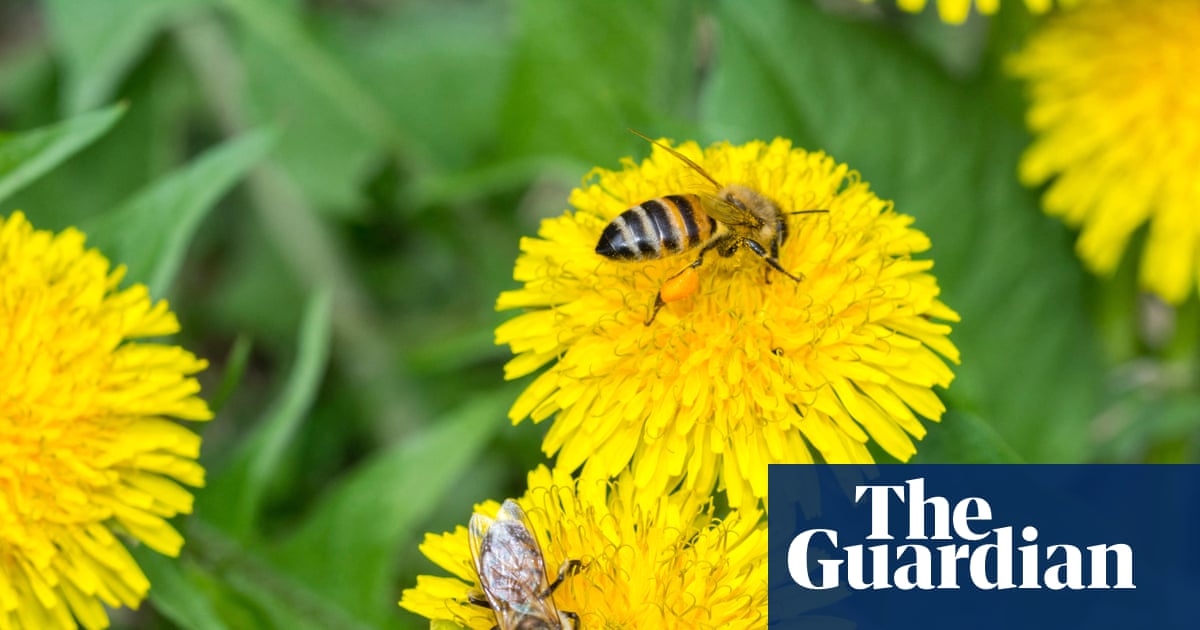
Researchers also discover bees can adjust their diets when pollen sources do not provide healthy level of nutrients
Honeybees blend a special “baby food” to give their larvae a balanced diet, with adult bees also able to regulate their feeding to avoid overconsuming certain nutrients, according to a study.
Researchers have discovered that bees can adjust how much they eat when pollen sources do not provide them with the ideal balance of essential amino acids, the essential building blocks of protein that animals cannot make for themselves and must obtain from their diet.
The findings of the study in Current Biology suggest that wild bee species, many of which feed pollen directly to their larvae, require a diversity of pollen sources to flourish, and landowners providing pollinator-friendly planting schemes should consider not just the number of flowers planted but the diversity of pollen sources and their nutritional quality.
Nectar from flowers provides mainly sugar, while pollen is a bee’s main source of protein. But pollen is the male reproductive material of plants and so does not always provide the balance of nutrients that bees need to thrive.
Geraldine Wright , professor of entomology at the University of Oxford, and lead author of the study, said: “Although pollen is often assumed to be a near-perfect food for bees, it is the male gamete of plants and, unlike nectar, it is rarely produced solely as a reward for pollinators. This creates a conflict of interest between the plant and the pollinator.”
Wright and colleagues from four other universities compared the essential amino acid profiles of honeybee tissues with that of pollen from 99 species of British flowering plant. They then created artificial diets that either replicated the amino acid profiles of different pollen sources or honeybee tissues and fed these to newly emerged worker honeybees in controlled laboratory experiments.
They found that most pollen sources tested were a poor match for the essential amino acid profile of bee tissues. Bees that were fed diets that more closely matched their own tissue composition ate more, gained more body mass and consumed a more protein-rich balance of food.