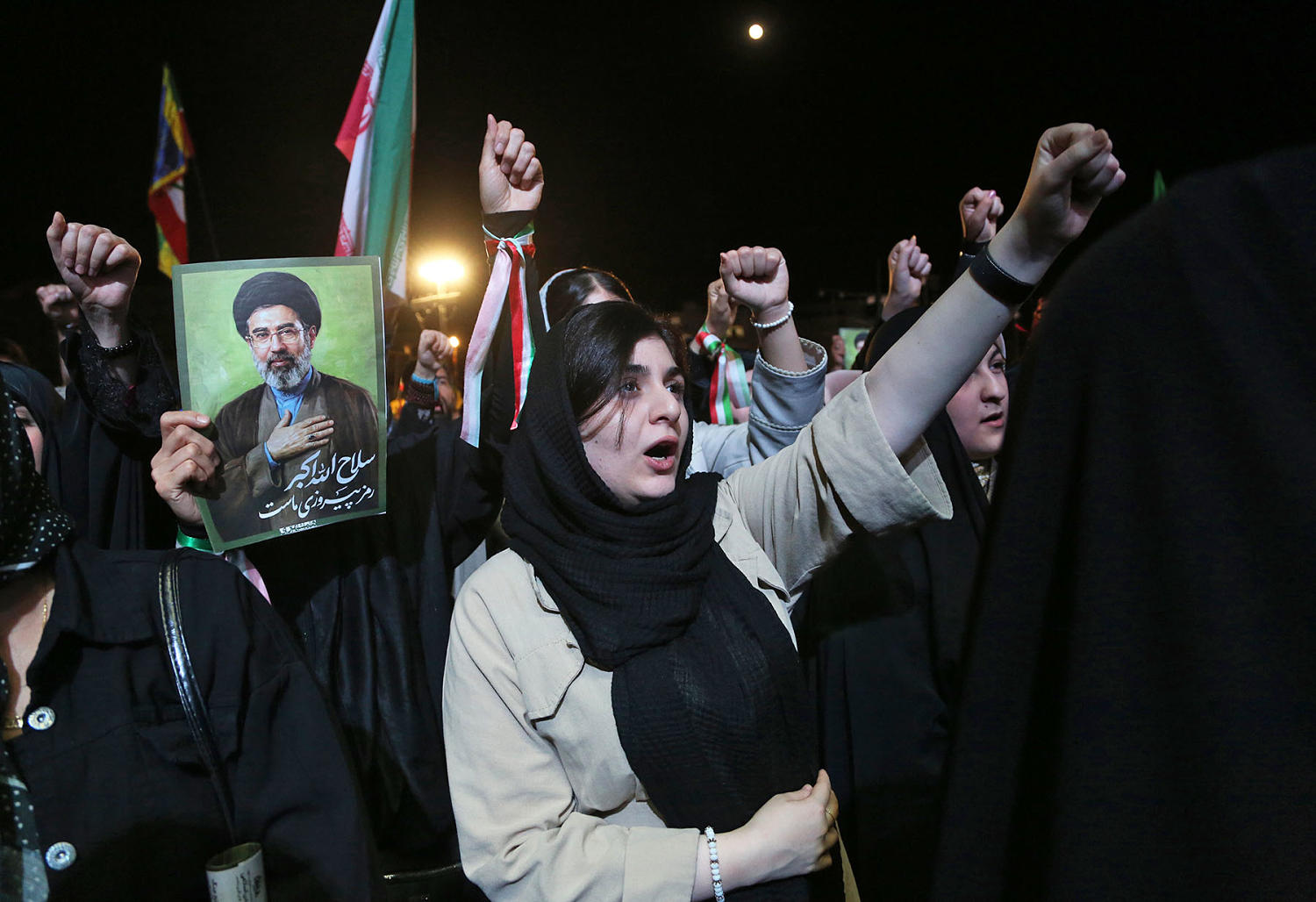
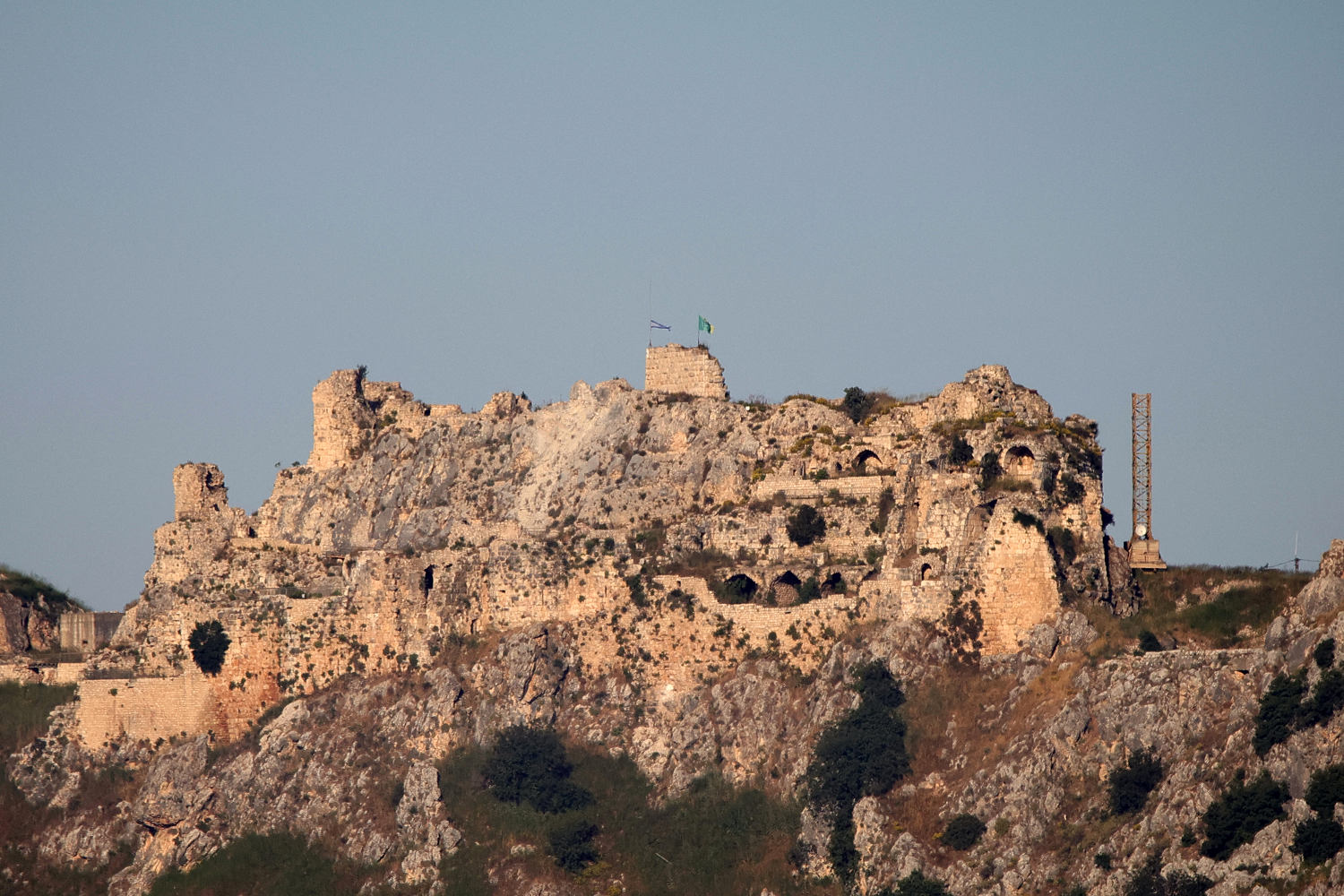
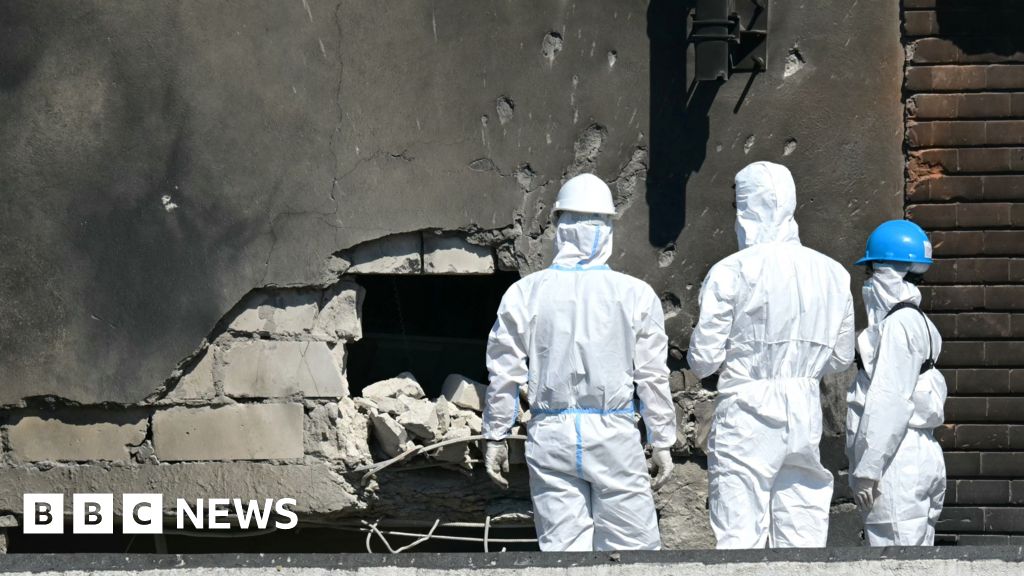
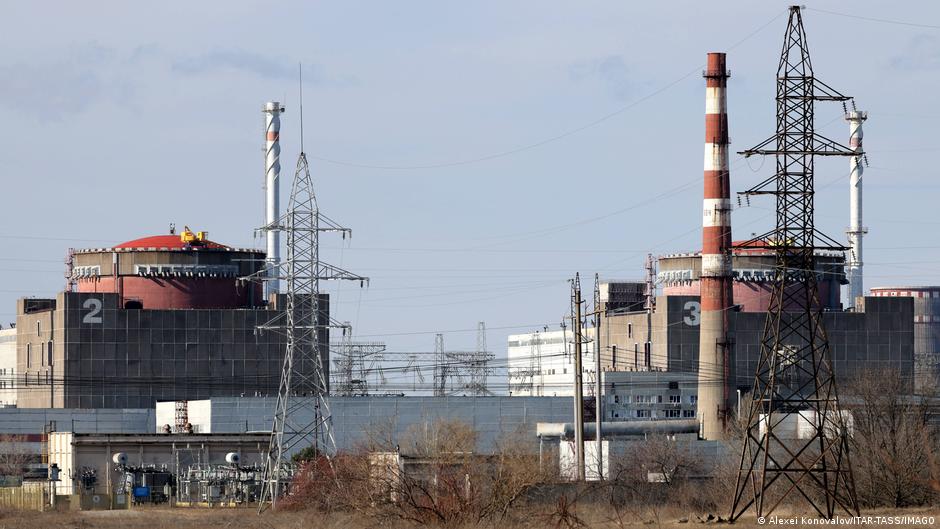
Social media spreads war images instantly worldwide
Social media exposes billions to war instantly, but algorithms prioritize shock over context, turning suffering into disposable content. Our engagement—likes, shares, saves—fuels platforms that profit from attention, not action, making us unwitting participants in the cycle.

War has become a scrolling experience. Genocide, displacement and mass violence now flicker across our screens between cat videos and ads for things we don’t need. We don’t pick the role—spectator is the default. Our phones deliver shock in seconds, then swipe away just as fast. The real question isn’t whether we see the horror, but what we do after we’ve seen it.
Every tap confirms we’re watching. Every pause registers as engagement. Social platforms weren’t designed for witnessing war, but they’ve become the primary stage. Algorithms push the most gripping clips, not the most important. A five-second clip of fire and screams competes with a puppy doing a trick. We react with a “WTF” emoji and keep scrolling. The speed of the feed turns suffering into content, trauma into background noise.
This isn’t passive viewing—it’s a new kind of complicity. We’re not just observers; we’re part of the distribution chain. Each share, each like, each saved clip feeds the machine that profits from attention. Empathy gets measured in likes, outrage in retweets, calls to action in comments that disappear by morning. The platforms shape what we notice, what we ignore, and what we eventually act on—or don’t.
What once demanded a front-row seat now fits in our pocket. The impact is both intimate and distant. We feel closer to events half a world away, yet the distance grows in our responses. Do we donate, advocate, or just sigh and scroll? The platforms don’t care. They’re built to keep us watching, whether it’s war or a dance challenge. The challenge now isn’t seeing, but choosing to do something once we’ve seen.