Atlantic hurricane peak August–October, warns NOAA
The Atlantic hurricane season peaks from August to October due to warm ocean temperatures, low wind shear, and high humidity, with most energy concentrated in this period. This timing matters because it defines when coastal areas face the highest risk, requiring better preparedness despite 2026 forecasts still being uncertain.
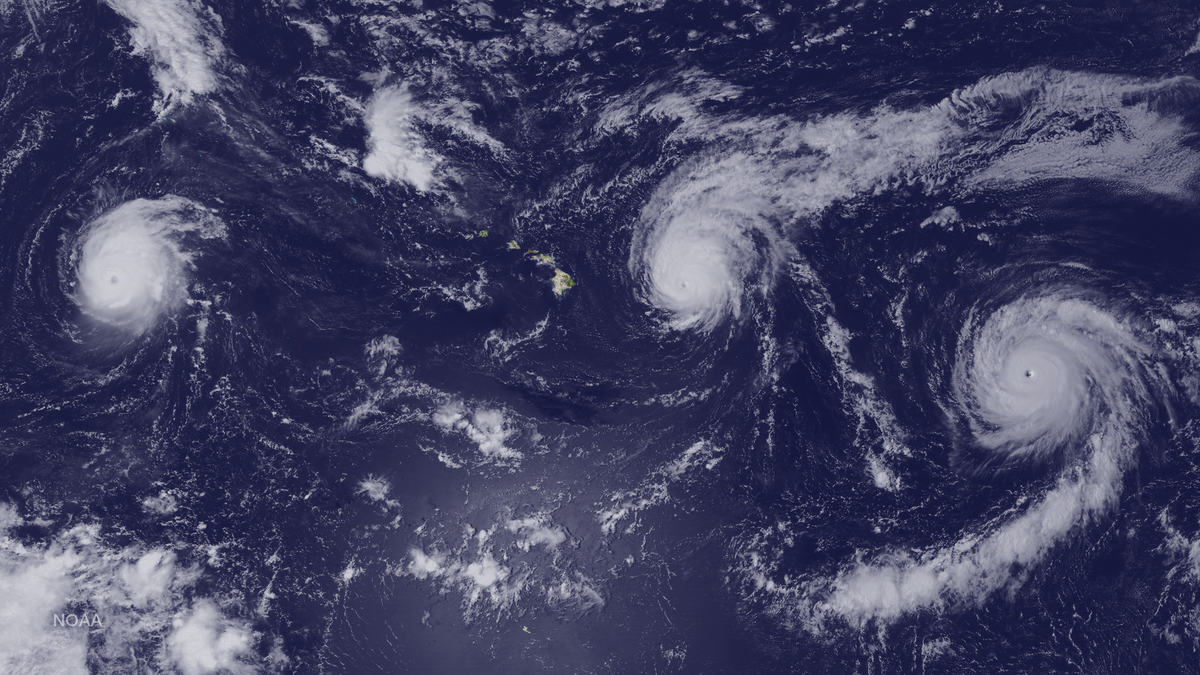
The Atlantic hurricane season officially starts June 1, but the storms that really matter usually hold off until late summer, when the ocean is hot enough and the winds are calm. Forecasters say the season runs six months—through November 30—because that’s when the Atlantic can supply the key ingredients: sea-surface temperatures above 80 °F, low wind shear, and lots of humid air. Yet on average, almost all the basin’s hurricanes arrive in a tight three-month window—August, September, and October—because the ocean takes time to heat up and the atmosphere needs to settle into the right calm.
“There’s kind of a tight window when the Atlantic goes bananas,” says Phil Klotzbach, an atmospheric scientist at Colorado State University. Before mid-August the basin usually produces just one hurricane; the real action waits until the ocean’s surface peaks in mid-September. Wind shear—the change in wind speed or direction with height that can shred a storm—is lowest then because the tropics and subtropics are closest in temperature. Add plentiful moisture from the warm ocean and you get the recipe for a major cyclone.
Only about 3 percent of Atlantic tropical cyclones form outside the official season, so the six-month calendar isn’t arbitrary. The lag between summer sun and deep-ocean warming pushes peak sea-surface temperatures to mid-September, long after the solstice. Warm water alone isn’t enough—storms also need low shear and humid air—but without the ocean’s sustained heat, the other ingredients rarely line up. That’s why late August through October delivers more than three-quarters of the Atlantic’s hurricane energy.
What this means for 2026 is still uncertain, but the underlying pattern stays the same. Even in a quiet year the ocean can still cook up one or two surprises, because nature doesn’t consult the calendar. Understanding the seasonal rhythm—warm water building slowly, shear fading just in time, and moisture surging north—helps coastal residents and emergency planners know when to pay attention.