International timekeepers to vote on changing the leap second to a leap hour
Exclusive: International timekeepers to vote on changing the leap second to a leap hour To align Coordinated Universal Time with Earth’s rotation, a second occasionally gets added to the year. That m
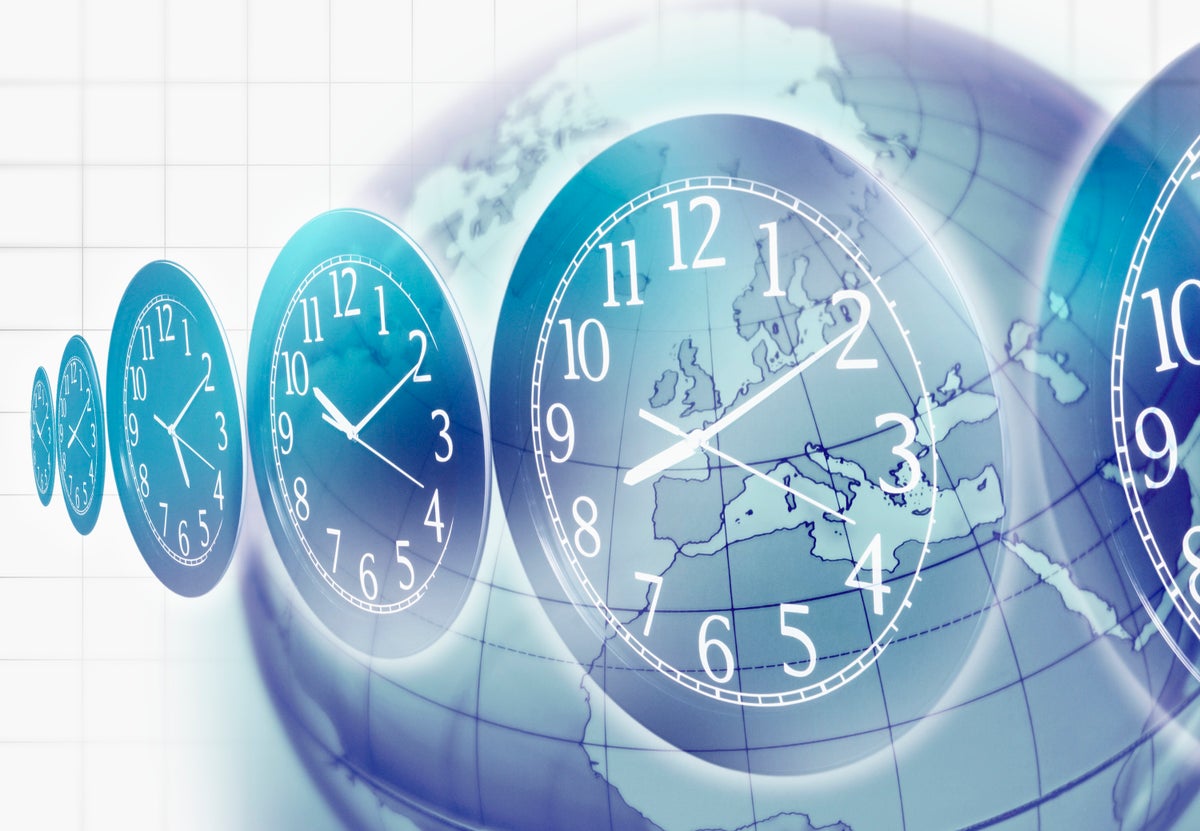
Exclusive: International timekeepers to vote on changing the leap second to a leap hour To align Coordinated Universal Time with Earth’s rotation, a
Read Full Story at Scientific American →Why This Matters
Timing is everything—literally. The proposal to replace the leap second with a leap hour isn’t just a technical tweak; it’s a quiet acknowledgment that humanity’s relationship with time is fracturing under the weight of precision and planetary reality. As digital systems grow more interconnected, even millisecond discrepancies can cripple global infrastructure, making the once-arcane concept of Earth’s wobbling rotation a frontline issue in the future of technology and governance.
Background Context
The leap second was introduced in 1972 as a diplomatic compromise between atomic clocks—ultra-precise but divorced from natural rhythms—and Earth’s irregular rotation, which slows due to tidal friction and other geophysical forces. Over the decades, this patchwork system has become a headache for industries reliant on synchronized networks, from satellite navigation to high-frequency trading, where a single second can disrupt billions in transactions. Critics argue the leap second is a relic of analog thinking in a digital age.
What Happens Next
The vote at the International Bureau of Weights and Measures (BIPM) will determine whether the leap second joins the leap year in the annals of quaint timekeeping—or whether the world embraces a leap hour, potentially once every few centuries. If approved, the first such adjustment could occur as early as 2035, but the logistics are dizzying: Who decides when the extra hour is inserted? How do global tech giants retroactively calibrate systems built on the old standard? The devil, as ever, will be in the details.
Bigger Picture
This debate reflects a deeper tension between human constructs and natural systems, one mirrored in climate policy, AI ethics, and even space exploration. As our tools outpace Earth’s pace, the question isn’t just *how* to adjust time—but whether we’re prepared to accept that some corrections can no longer be incremental. The leap hour vote may be the first of many forced leaps into a future where humanity’s creations demand more flexibility than nature allows.