Iran at war: Stability masks deepening crises
On February 28, the US and Israel launched joint airstrikes targeting military and strategic sites across the Islamic Republic. Key facilities of the Iranian armed forces were destroyed, and Supreme Leader Ayatollah Ali Khamenei was killed , along with several senior political a
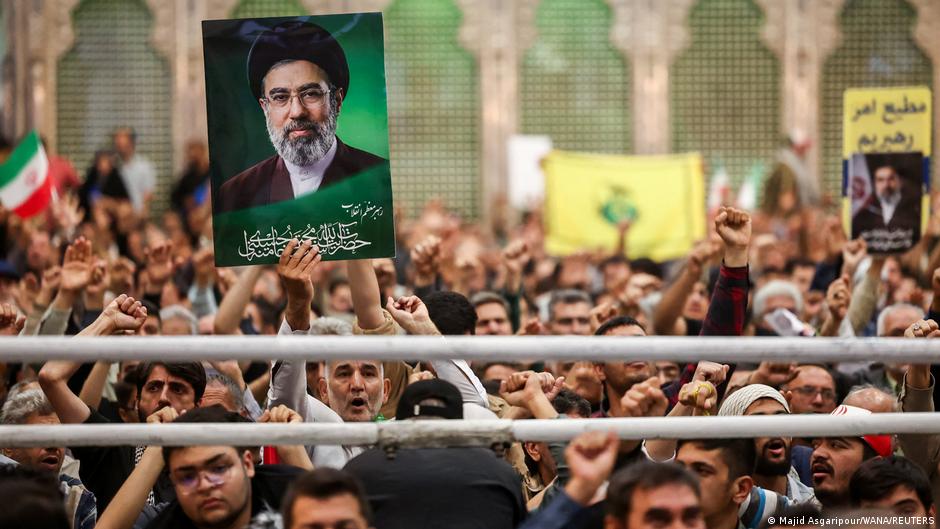
On February 28, the US and Israel launched joint airstrikes targeting military and strategic sites across the Islamic Republic.
Key facilities of the Iranian armed forces were destroyed, and Supreme Leader Ayatollah Ali Khamenei was killed , along with several senior political and military figures.
Iran's Assembly of Experts chose Khamenei's son, Mojtaba , as the country's new supreme leader.
Tehran responded to the US-Israeli attacks with massive retaliatory strikes, deploying missiles and drones against Israel, US military bases and other targets across the Gulf region.
To view this video please enable JavaScript, and consider upgrading to a web browser that supports HTML5 video
Iran also closed the Strait of Hormuz — a key waterway between the Persian Gulf and the Gulf of Oman through which around 20% of global oil and gas exports passed before the conflict — as a geopolitical pressure tool .
A fragile ceasefire only came into effect on April 8, initially reducing hostilities, but it continues to be violated almost daily.
"I do not see any structural changes in the Islamic Republic over the past 100 days," said Mohammad Ghaedi, an Iran expert and lecturer at George Washington University specializing in Middle Eastern politics and international relations.






