Iran fires on Marshall Islands tanker in Strait of Hormuz
Iran attacked a Marshall Islands-flagged tanker in the Strait of Hormuz, disrupting global oil traffic and escalating tensions amid nuclear deal talks. Iran uses these strikes to pressure sanctions re
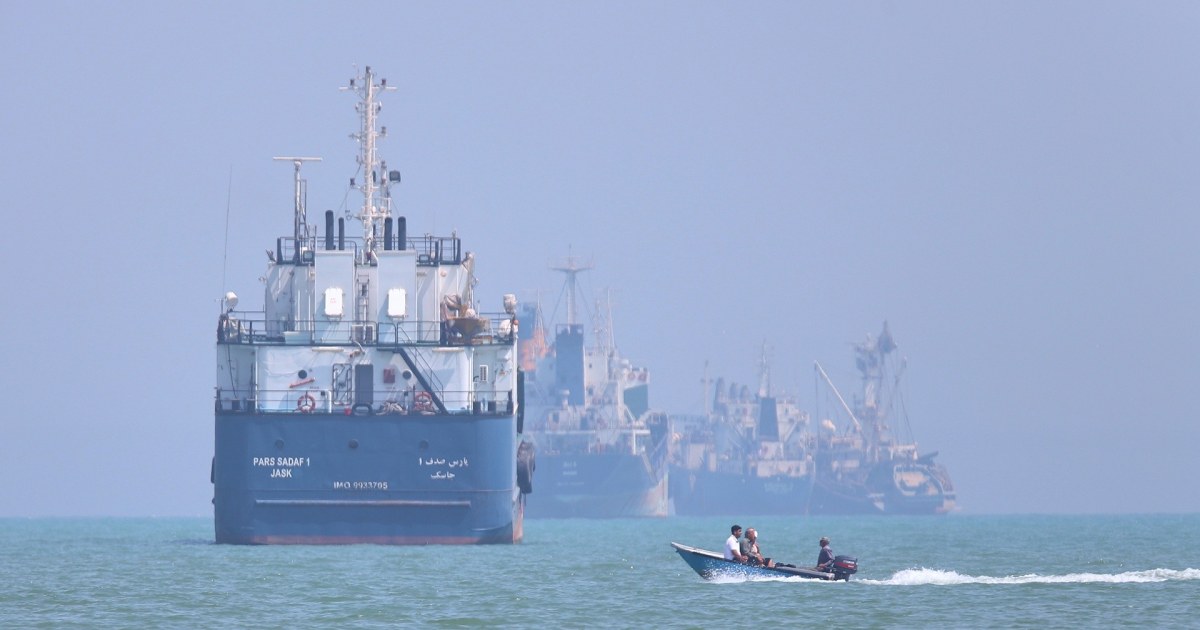
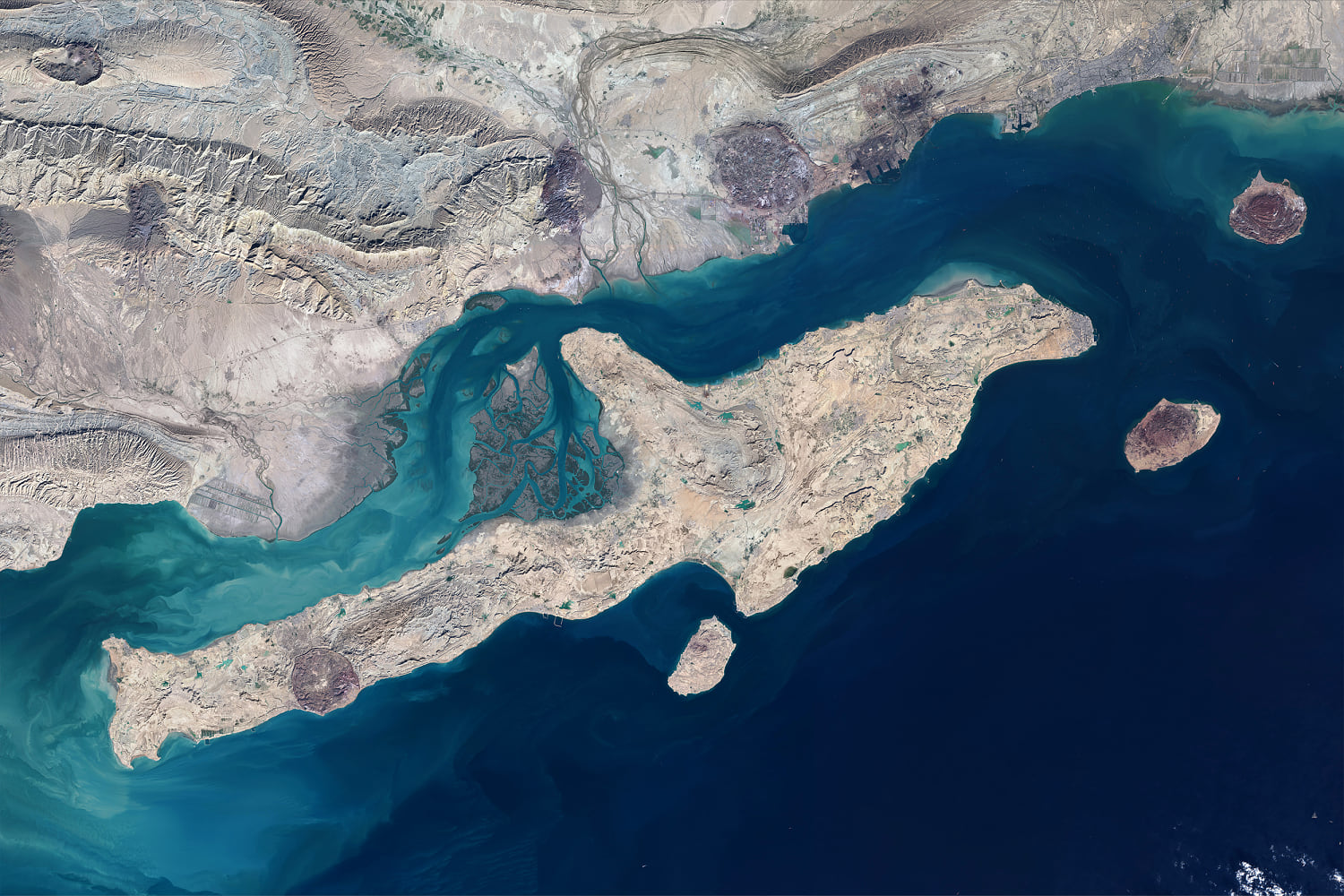
Iran’s armed forces launched a missile attack Thursday on a cargo ship transiting the Strait of Hormuz, halting traffic through one of the world’s mos
Read Full Story at NBC News →Why This Matters
This attack on a Marshall Islands-flagged tanker underscores Iran’s persistent strategy of asymmetric disruption in the Strait of Hormuz, a chokepoint for nearly 20% of the world’s seaborne oil. While the immediate target may be a commercial vessel, the broader aim appears to be sending a calculated message about Tehran’s leverage during nuclear negotiations and its defiance of Western sanctions.
Background Context
Iran has a long history of using maritime pressure to counter perceived economic strangulation, with past incidents including the 2019 seizure of a British tanker and drone strikes on Israeli-linked ships. The Marshall Islands, a Pacific nation with strong U.S. ties, flags vessels that often carry oil bound for American allies, making it a symbolic target for Iranian retaliation against sanctions enforcement.
What Happens Next
The incident could trigger a rapid U.S.-led response, potentially including additional naval patrols or targeted strikes on Iranian military assets. Diplomatically, it may harden positions in nuclear talks, as both sides weigh escalation against the risks of a broader conflict. Observers will closely monitor whether this attack signals a new phase of Iranian assertiveness or an isolated provocation.
Bigger Picture
This episode reflects a broader pattern of Iran’s "gray zone" warfare, where it avoids direct confrontations but inflicts economic pain through proxies and asymmetric tactics. As global oil markets remain fragile, such disruptions risk exacerbating supply chain volatility, particularly in Asia, where buyers are already navigating sanctions and geopolitical tensions.