🌍 World News
Live
Married at First Sight Australia allegations 'disturbing', says country's watchdog
Allegations that Married at First Sight Australia stars were not told about their on-screen partners previous drug and violence convictions are "serious and disturbing," the country's media watchdog …
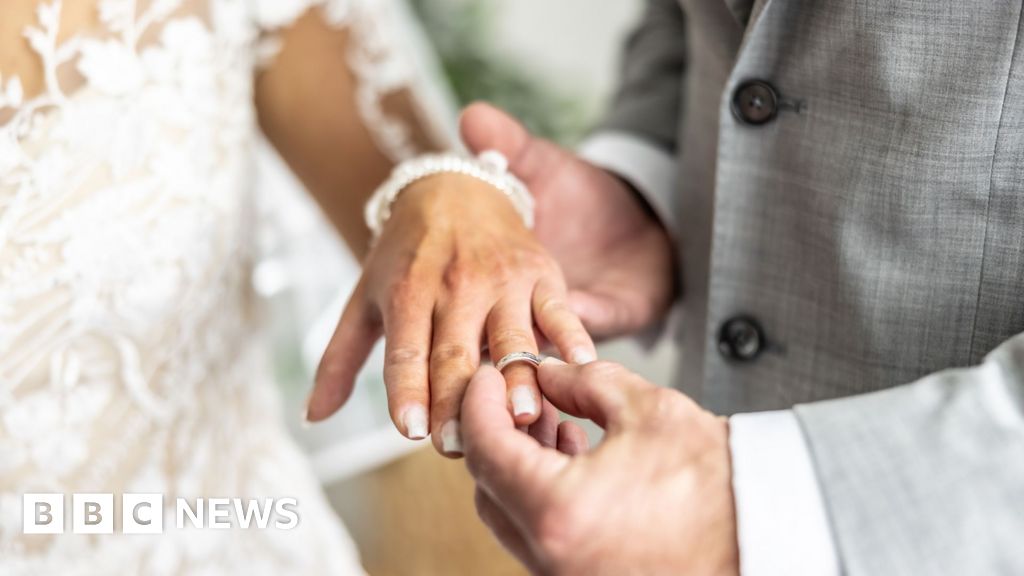
BBC World News — 15 June 2026
Text:
17
0
0
Allegations that Married at First Sight Australia stars were not told about their on-screen partners previous drug and violence convictions are "serio
Read Full Story at BBC World News →
⚡ Quickyla Analysis
Original editorial context — not sourced from the article above
The revelation that *Married at First Sight Australia* contestants may have been unaware of their partners’ violent or criminal histories has ignited a debate over the ethical boundaries of reality television. At its core, this controversy exposes a fundamental tension between entertainment and transparency, one that resonates far beyond the confines of a single show. Reality TV thrives on vulnerability and surprise, but when those elements blur into deception—especially regarding safety—it raises questions about the industry’s responsibility to its participants.
This isn’t the first time *Married at First Sight* has faced scrutiny over its production ethics. Past seasons have drawn criticism for manipulating emotional arcs, with producers selecting matches based on volatile dynamics rather than genuine compatibility. The show’s premise—arranged marriages with no prior contact—already pushes ethical limits, but the addition of undisclosed criminal histories introduces a new layer of risk. Participants enter the experiment trusting the show’s safeguards, only to discover they may have been unknowingly paired with someone capable of harm. The watchdog’s characterization of these allegations as “disturbing” underscores the severity of the issue, implying a breach of trust that could have long-term psychological consequences for those involved.
The broader implications extend to the reality TV landscape, where authenticity is often sacrificed for drama. Networks and producers frequently defend such tactics as necessary for compelling storytelling, but this case forces a reckoning with where the line should be drawn. Will audiences still tune in if they perceive the stakes as dangerously real rather than manufactured? Regulatory bodies may now face pressure to tighten oversight, especially as reality TV increasingly blurs the line between entertainment and exploitation.
What remains unclear is how *Married at First Sight* and its network will respond. Will they implement stricter vetting processes, or double down on the illusion of spontaneity at any cost? For the contestants, the fallout could extend beyond the show, shaping public perceptions of reality TV as a whole. If trust erodes, the genre may struggle to maintain its audience appeal—or risk becoming a relic of an era when deception was just another form of entertainment.
Sources

🌍 World News
Man fleeing police attacked by alligator before continuing his getaway, Louisiana authorities say
🌍 World News
US crude exports hit record high in May as Iran war tightens global oil supplies

🌍 World News
Agitators outside Delaney Hall set up organized logistics operation before Newark protests began

🌍 World News
French doctors sound alarm over drinking water pollution

🌍 World News
Iran, Kuwait, Bahrain hit: Is the war in the Gulf escalating again?

🌍 World News
Four people trapped in flooded cave in Laos pulled to safety

