Nightwatchers review – desperate struggle of migrant crisis under surface of picture-postcard ski resort
Juliette de Marcillac’s documentary follows the volunteers helping those crossing the French Italian border and shines a light on the the hypocrisies underpinning the treatment of asylum seekers W ith its rustic wooden chalets and spectacular alpine peaks, the French ski town of
Juliette de Marcillac’s documentary follows the volunteers helping those crossing the French Italian border and shines a light on the the hypocrisies underpinning the treatment of asylum seekers
W ith its rustic wooden chalets and spectacular alpine peaks, the French ski town of Montgenèvre has long been a popular holiday destination. Looking past these postcard-perfect vistas, Juliette de Marcillac’s absorbing documentary paints a very different picture, focusing instead on a humanitarian crisis that festers beneath the snow-white image of an idyllic locale.
A whirl of confusion and fear envelops the film’s startling opening sequence, which follows a group of desperate migrants trekking across the Italian border into Montgenèvre, with the hope of claiming asylum in France . Among them are pregnant women and even small children, many of whom suffer from frostbite, exhaustion and other life-threatening conditions. Their plight, however, is met only with intimidation and orders of arrest from the local police force.
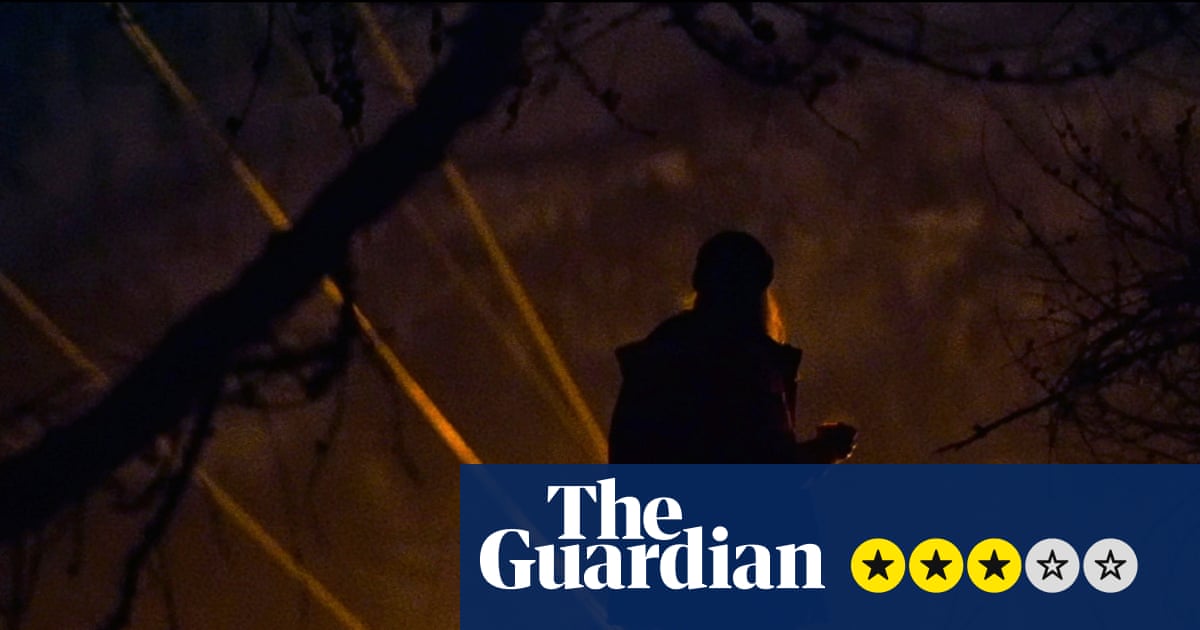
Wading through the chaos are the titular nightwatchers – local volunteers working in migrant aid. The jagged handheld cinematography channels the urgency of their efforts, as the helpers offer warm clothes, hot water, and medical assistance to those in need. In the face of police intimidation, these acts of care are suffused with the fervour of resistance.
Much of the film unfolds with the gripping suspense of a thriller. A tense cat-and-mouse dynamic exists between the volunteers and the police, whose members are surveilling not only the border-crossing migrants but the nightwatchers themselves. Though largely observational, De Marcillac’s visual approach also emphasises sobering contrasts. At times, the camera pans from the slumped figures of the travelling migrants – many of whom have already walked for thousands of miles – to the gondola lifts and colourful billboards; the juxtaposition lays bare the hypocrisies that underpin the treatment of asylum seekers. When day breaks, Montgenèvre will once again open itself up to the throngs of tourists. Meanwhile, for those confined to the surrounding forests, their right to freedom of movement is cruelly crushed.