Doctor advocates for paracervical block to ease IUD insertion pain
A study in BMJ Open shows that using a paracervical block during IUD insertion significantly reduces pain and increases patient satisfaction. This change could improve access to contraception by addr…
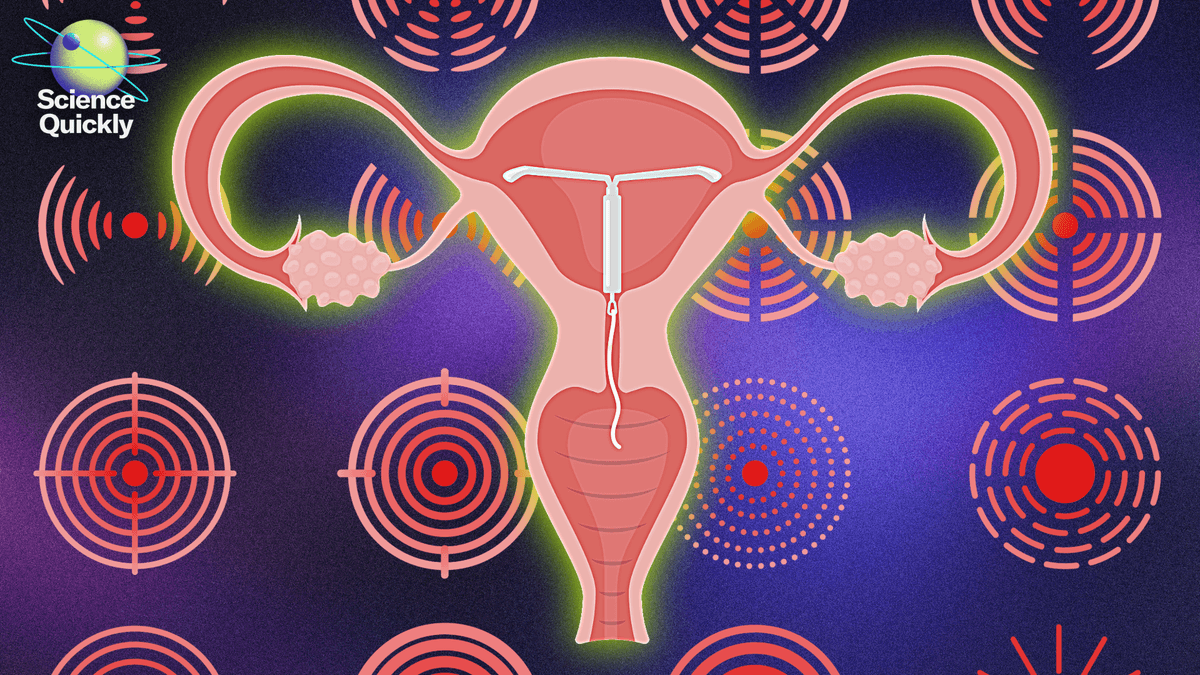
A new study published in the journal BMJ Open offers concrete evidence that a simple change in clinical technique can significantly reduce the pain patients experience during intrauterine device insertion. The research focused on the use of a paracervical block, a local anesthetic injection administered around the cervix, prior to the procedure. While this method has been discussed among gynecologists for years, the new data provides the robust statistical backing needed to push it into standard practice. The findings indicate that women who received the block reported lower pain scores and higher satisfaction rates compared to those who did not, addressing a long-standing complaint in reproductive healthcare.
The urgency of this research stems from a well-documented problem in current medical care. Pain during IUD placement is a primary reason patients delay seeking contraception or abandon the method entirely. Many providers still rely on the assumption that patients can simply endure the discomfort, often offering only oral pain relievers or brief local anesthetics that may not be sufficient for cervical dilation. This approach ignores the physiological reality that the cervix is densely innervated, making it a highly sensitive area. For many women, the fear of pain is as significant a barrier to care as cost or access. By systematically studying the paracervical block, the researchers aimed to move the conversation from anecdotal evidence to a protocol that can be taught and standardized in medical schools and residency programs.
The study’s methodology involved a randomized controlled trial where participants were assigned to receive either the paracervical block or a standard care approach. The results were clear: the intervention group experienced a marked decrease in pain intensity during both the dilation and insertion phases of the procedure. This is not just about comfort; it is about patient autonomy and trust in the healthcare system. When patients are in pain, they are less likely to engage with their providers, less likely to return for follow-up appointments, and more likely to seek out unsafe alternatives or alternative care providers who may not be adequately trained. The data suggests that a simple, low-cost intervention can have a profound impact on the overall quality of reproductive health services.
What happens next is largely up to medical institutions and professional guidelines. The authors of the study recommend that obstetrician-gynecologists and family medicine doctors consider the paracervical block as part of their standard toolkit for IUD insertions. This does not require new equipment or significant financial investment, just a shift in clinical habits and patient education. If adopted widely, this change could reduce the number of patients who seek emergency room care for severe pain following the procedure and improve retention rates for one of the most effective forms of contraception available. The takeaway is straightforward: we have the knowledge to make this procedure less painful, and the medical community now has the data to justify making it a routine part of care rather than an optional extra.
Read Full Story at Scientific American →