Scientists trace Euphrates headwaters to Turkey’s Mount Ararat
Scientists traced the Euphrates River’s source to a glacier on Mount Ararat in eastern Turkey, critical for early civilizations and modern water supply. This finding shows climate change may reduce the river’s flow faster than expected, threatening millions dependent on it.
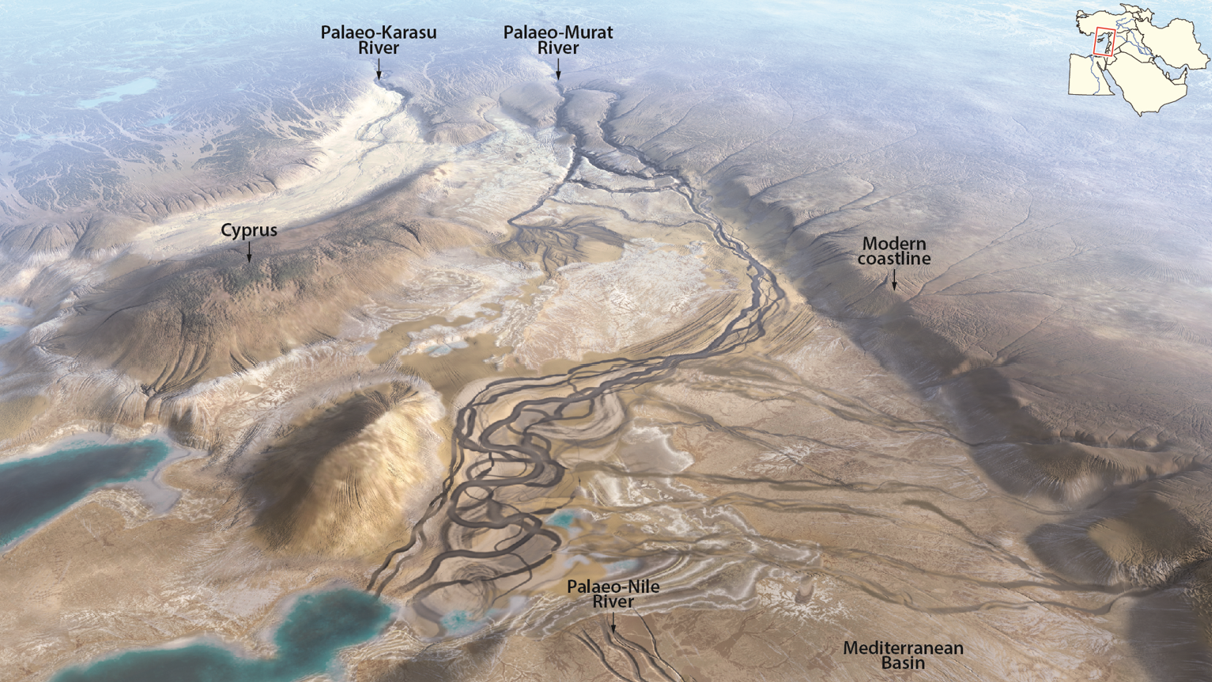
Scientists have traced the Euphrates River to a single, unexpected glacier in eastern Turkey, solving a mystery that stretches back thousands of years. A team of geologists used satellite data and field measurements to pinpoint the exact source of the river, which has sustained civilizations from Mesopotamia to modern Iraq. The finding rewrites a key detail in humanity’s story: the Euphrates didn’t rise from a vague highland region, but from a distinct glacier on Mount Ararat, more than 3,200 meters above sea level.
The discovery matters because the Euphrates, along with the Tigris, created the fertile lands that gave rise to some of the world’s earliest cities like Ur and Babylon. By identifying the glacier’s meltwater as the river’s origin, researchers can now model how climate change will affect water flow through Syria and Iraq in the coming decades. That’s critical for millions of people who depend on the river for drinking water, farming, and electricity.
Until now, maps and textbooks often showed the Euphrates starting somewhere in the Turkish highlands, with no clear source. But this study used advanced imaging and chemical analysis of river water to match its signature to the glacier near Ararat. The team also found that the glacier’s seasonal melt plays a bigger role in the river’s flow than rain or snow in lower areas. That means shrinking glaciers could shrink the Euphrates faster than expected — even if rainfall stays the same.
The findings were published in the journal *PLOS Water* and offer a clearer picture of the river’s future. For historians, it’s a small but important correction to the ancient record. For policymakers, it’s a warning: the Euphrates may not have the resilience they once assumed.