Choose Language
Select a language for news translation.

An alpine ash forest is a sight to behold. Alpine ash (Eucalyptus delegatensis) is a tall eucalypt species that grows in the cool, wet mountains of southeaster…

Climate change is not only warming our lakes and rivers, it is also changing what invasive species eat. A new experimental study published in Limnology and Oce…

Four Czech men were arrested at Guarulhos International Airport in São Paulo, Brazil, in February this year on charges of smuggling native species.
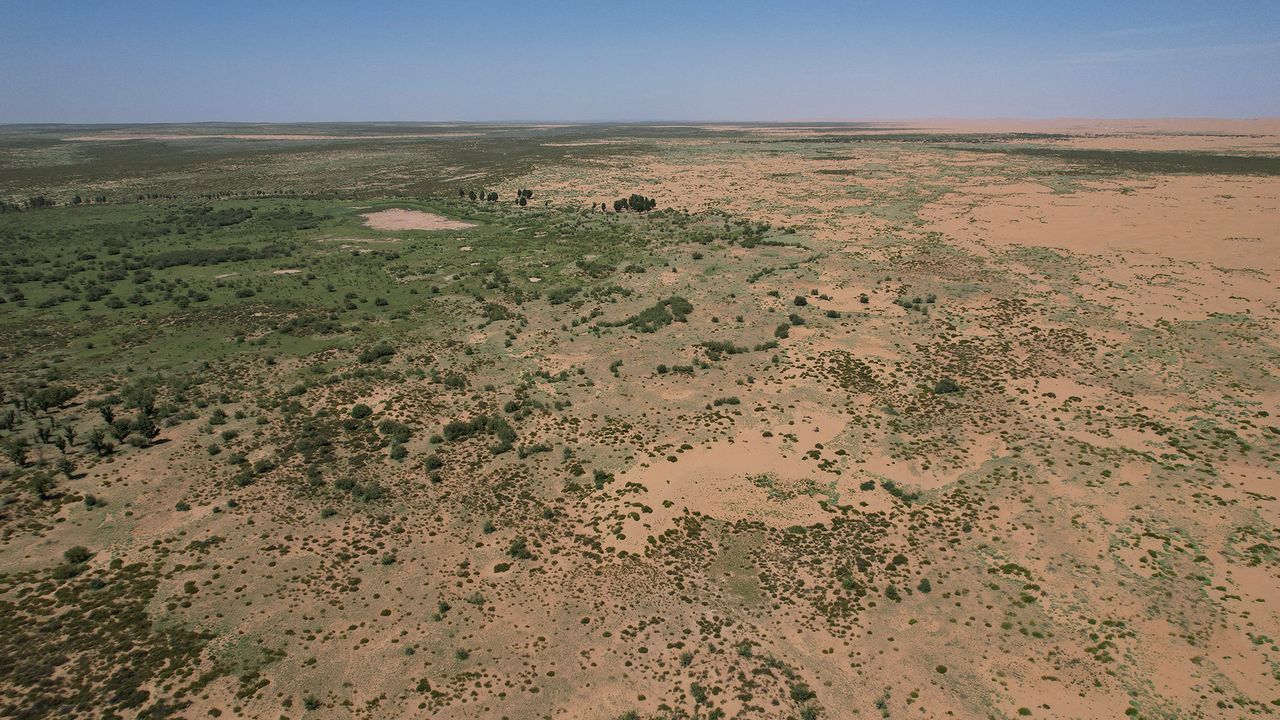
A study of China's planted and natural forests reveals age, species mix, and CO2 sensitivity all contribute to how fast trees sprout leaves.

For decades, we’ve thought that childbirth is uniquely challenging for humans, but it turns out that many other primates find the birth process just as difficu…

A new study from the Honduran Mosquitia shows how simple, noninvasive technology can help solve one of the most common challenges in wildlife conservation: ide…

Grasslands account for roughly 40% of terrestrial ecosystems and are paramount to global food security. Wild grasslands provide food for livestock and habitat …

A newly identified saber-toothed cat species, *Machairodus lahayishupup*, from over 5 million years ago shows saber-tooth evolution began with smaller fangs th…

Scientists built human-made ponds in Arizona to help save the threatened Chiricahua leopard frog, whose habitat shrank by 90% due to drought and invasive speci…

Researchers found a colony of Small Blue butterflies, a vulnerable species, in Uppsala’s Botanical Garden, showing urban green spaces can support declining pol…

Global temperatures briefly exceeding 1.5°C caused immediate, year-round disruptions in marine ecosystems, including species shifts and coral stress. This matt…