Spain's Sánchez digs in after eight years as PM as wave of scandals threatens survival
Pedro Sánchez, Spain’s prime minister for eight years, faces scandal threats to his government after corruption investigations involving influence-peddling, money laundering, and dirty-tricks campaigns. His allies, including brother David Sánchez and former PM Zapatero, are implicated, with polls calling the crisis “extremely serious.”
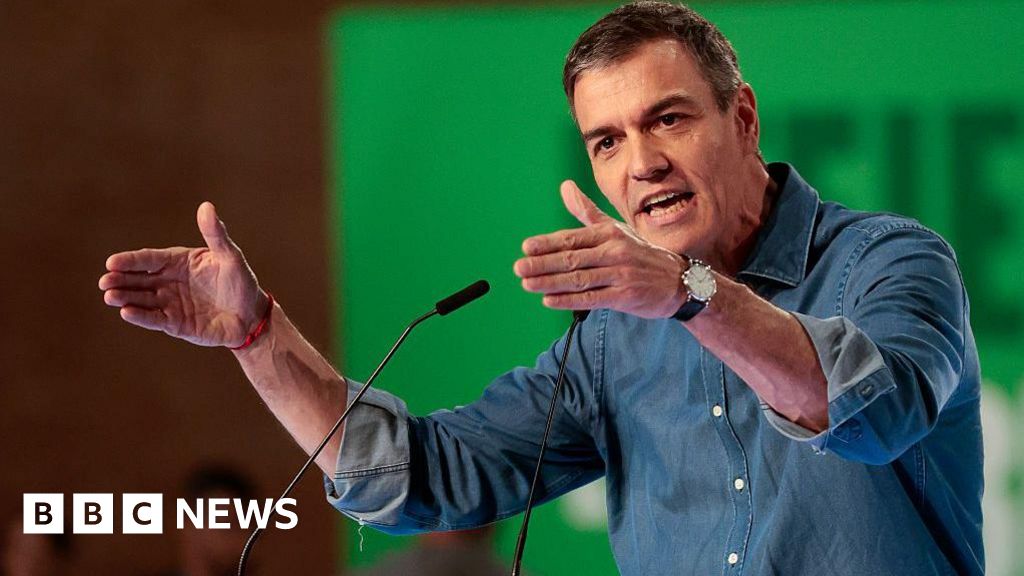
Pedro Sánchez is marking eight years as Spain’s prime minister today amid a mounting storm of corruption investigations that threaten not only his political survival but the very stability of his Socialist-led government. Since assuming office on 1 June 2016, Sánchez has steered Spain through deep political divisions and successive electoral challenges, yet it is now a cascade of scandals—spanning influence-peddling, money laundering, and alleged dirty-tricks campaigns—that risks overshadowing his tenure. The opposition has intensified calls for his resignation, with some warning that the ongoing probes point to systemic failures within the Socialist Party and its leadership circle.
The investigations now envelop some of Sánchez’s closest allies. His younger brother, David Sánchez, is currently on trial accused of influence peddling, while former Prime Minister José Luis Rodríguez Zapatero—widely revered on the left for his progressive reforms and role in ending ETA’s violence—has been named in a money-laundering inquiry linked to a €53 million government bailout of the Plus Ultra airline in 2021. Polling firm Ipsos notes the gravity of the situation: “Symbolically, this is very significant. The fact that a former prime minister is being investigated makes it extremely serious, especially as he has been a moral reference for the party.” Zapatero, who denies wrongdoing and is due in court on 17 June, retains Sánchez’s full public backing, but the damage to the government’s credibility is already done.
The scandal list continues to grow. In 2023, former Transport Minister José Luis Ábalos, once a deputy party leader, was implicated in a kickbacks-for-contracts case involving the sale of €50 million worth of face masks during the pandemic. Expelled from the party after denying involvement, Ábalos is now awaiting a verdict. More recently, party number three, Santos Cerdán, has also been drawn into the affair, prompting Sánchez to admit publicly that his trust in Cerdán had been misplaced. These revelations have eroded public confidence and fueled opposition accusations of a “dirty tricks campaign,” with police conducting a 12-hour raid on Socialist Party headquarters in Madrid as part of a probe into alleged spying and smear tactics.
Traditionally sympathetic newspaper *El País* has struck a grave note, stating that the accumulation of cases “makes clear that these are not isolated episodes or the fruit of dark conspiracies. The investigations are linked to the nucleus of power which has governed for the past eight years.” With opposition parties calling for Sánchez’s immediate departure and no clear end in sight to the legal proceedings, the prime minister faces a defining test of resilience. Eight years to the day since taking office, his political future may well depend not on celebrating his longevity, but on weathering a storm that shows no sign of abating.