‘Spy turtles’ and ‘spy fish’ being used to monitor Chinese waters, Beijing claims
Ministry says on WeChat that animals fitted with sensors by foreign agencies are ‘collecting sensitive marine data’ China’s ministry of state security has claimed that foreign espionage and intelligence agencies are using innovative new methods to monitor the country’s waters, i
Ministry says on WeChat that animals fitted with sensors by foreign agencies are ‘collecting sensitive marine data’
China’s ministry of state security has claimed that foreign espionage and intelligence agencies are using innovative new methods to monitor the country’s waters, including deploying “spy” animals fitted with sensors.
In a post on the Chinese platform WeChat on Friday, the ministry warned that an “invisible secret war” was quietly playing out in the seas around China as foreign agencies were collecting sensitive data “through a variety of new spying devices” to produce underwater maps that pose a “serious threat to our national security”.
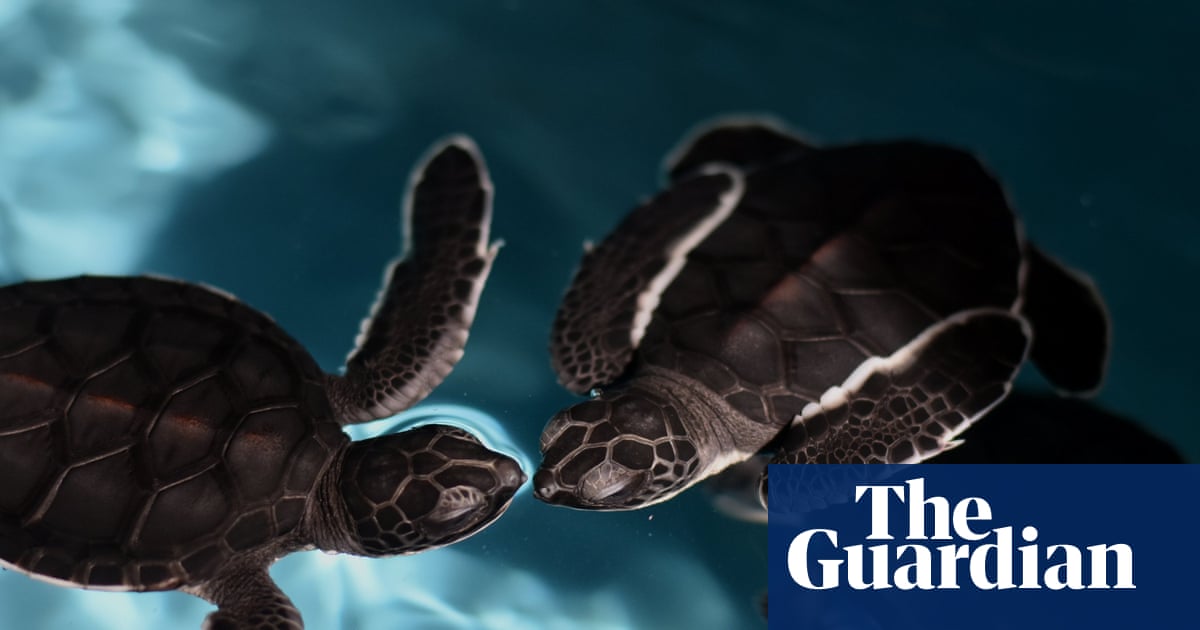
Among the espionage techniques being used, it claimed, were large marine animals, including “spy turtles” and “spy fish”, that had been found “attached to sensors” as they swam in Chinese waters.
The animals were “collecting sensitive marine environment data such as water temperature, salinity, and ocean currents in real time, and transmitting them overseas via satellite,” it said, without providing specifics about where the animals had been found, or who had equipped them.
Allegations of marine animals being used for spying purposes are not new. In 2023, British intelligence said Russia was stepping up security at its Sevastopol Black Sea fleet base – a port on Ukraine’s occupied peninsula of Crimea – by deploying trained dolphins . The report from the UK defence intelligence agency said Russia had trained bottlenose dolphins, which were being kept in floating pens in the harbour, to “counter enemy divers”.
China’s state security ministry also said it had found buoys “deployed by an overseas marine research institute” that were “equipped with a meteorological sensor package” that allowed them to track the “acoustic signatures of Chinese submarines in real time”.
The ministry also cited a new type of “wave glider” powered by wave motion and solar energy, which it said was deployed by foreign actors to transmit “military-related maritime environmental data and information on vessel activities”.