‘Super El Niño’ is officially here, scientists say. What can we expect?
Experts say climate pattern could supercharge extreme weather events and push temperatures to record highs EL Niño has officially arrived, US officials at the National Oceanic and Atmospheric Administration (Noaa) said on Thursday, and scientists predict it could be the stronges
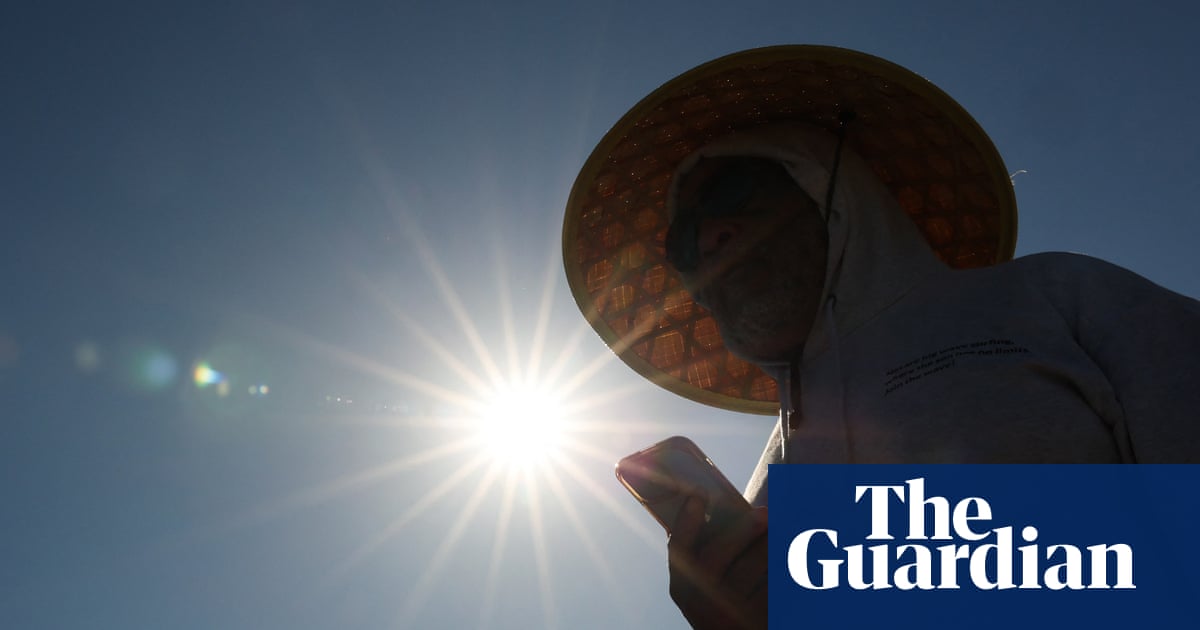
Experts say climate pattern could supercharge extreme weather events and push temperatures to record highs
EL Niño has officially arrived, US officials at the National Oceanic and Atmospheric Administration (Noaa) said on Thursday, and scientists predict it could be the strongest of the century.
Forecasters had previously anticipated that a phenomenon known as a super “El Niño” would emerge this summer – supercharging extreme weather events and pushing global temperatures to record heights.
There’s a high probability that this year’s El Niño, which is expected to peak in the fall or winter, “would rank among the largest El Niño events in the historical record going back to 1950”, according to Noaa. A strong El Niño would put 2027 in the running to break global heat records, and could produce a series of devastating effects, ranging from supercharged rainstorms to drought, depending on the region of the world.
The ocean and the atmosphere are inextricably linked. That’s why forecasters look closely at ocean temperatures and conditions to help predict future weather patterns around the world.
El Niño is characterized by warming of the ocean surface in the central and eastern tropical Pacific Ocean. It’s one of three states scientists observe; La Niña, conversely, happens when sea surface temperatures are below average, and neutral conditions are defined when neither El Niño or La Niña are present and surface temperatures are about average.
These three states together form the “El Niño-southern oscillation” (Enso), which tends to develop during spring in the northern hemisphere and shifts every three to seven years, according to the US National Weather Service. Warming and cooling at sea surface during El Niño and La Niña can range from 1C to 3C, and have enormous effects on precipitation, drought, heat and climate disasters in different regions.
During Niño years, the winds that would push warm waters to the west soften or shift direction, enabling the surface waters in that part of the Pacific to warm. Characterized by temperatures at least 0.5C above the norm, these conditions hugely affect the weather and often push global temperatures to new heights.