The US and Iran have agreed a deal. How soon could things go back to normal?
More than two months after the US and Israel first began their war with Iran, the White House and the Iranian regime have agreed a framework deal to bring about a more long-term end to hostilities. The Middle East crisis sent global oil prices soaring as the conflict effectively
More than two months after the US and Israel first began their war with Iran, the White House and the Iranian regime have agreed a framework deal to bring about a more long-term end to hostilities.
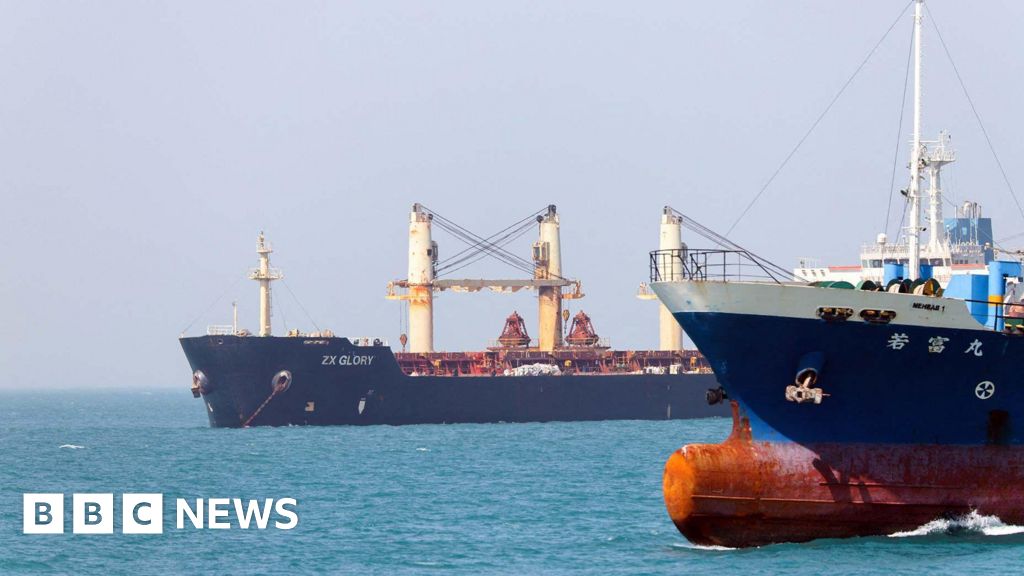
The Middle East crisis sent global oil prices soaring as the conflict effectively closed one of the world's key water transport routes for oil, liquid natural gas and other essential commodities, limiting global supplies.
But experts warn a return to normal shipping through the Strait of Hormuz will take time, and the impact of the war will continue to affect the global economy for potentially months to come.
"Let the oil flow!" US President Donald Trump said in a social media post heralding the agreement, which he said would include the reopening of the strait to commercial shipping.
BBC Verify has been checking ship-tracking data which appears to show that traffic levels remain low in the Strait of Hormuz, despite the announcement.
According to ship tracking website MarineTraffic, only two vessels with active location trackers have exited the waterway since Sunday - a bulk carrier and a tanker.
The strait has been closed to most shipping traffic since 28 February, with only limited numbers of vessels friendly to Iran able to pass through.
About 200 vessels have been stuck in the gulf, with the risk of sea mines or drone strikes driving up the danger to crews and preventing safe passage.