These researchers would be in Africa fighting ebola—but Trump cut their funding
The Trump administration terminated funding for two US infectious disease research centers in Liberia and DRC, disrupting Ebola surveillance and research. The shutdown risks reversing pandemic preparedness gains amid a resurgence of Ebola in the region.
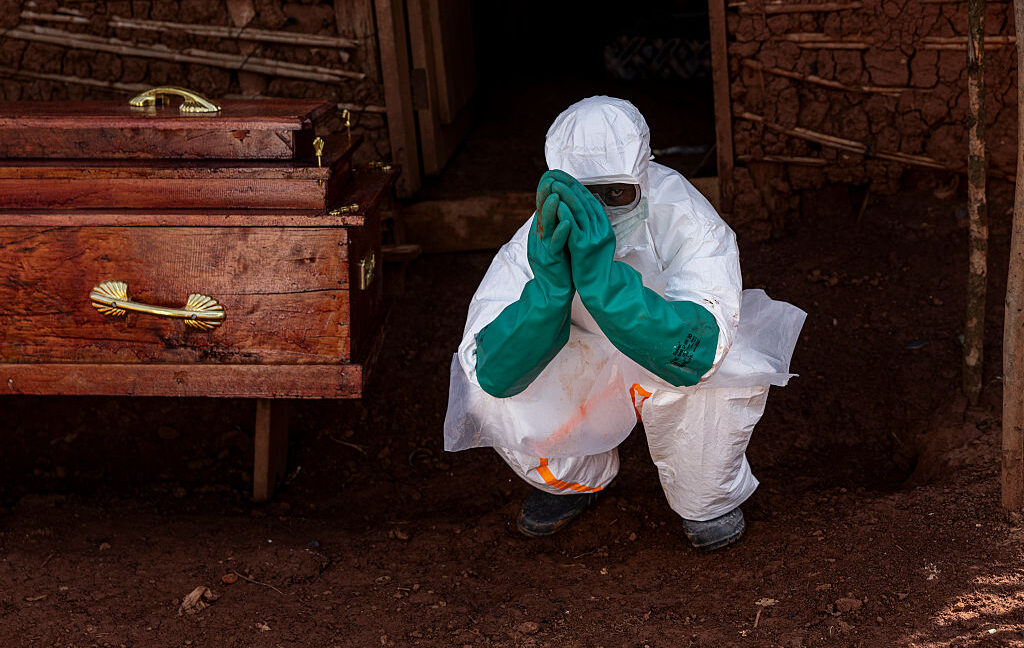
The Trump administration has abruptly terminated funding for two US infectious disease research centres in Africa that were established during the COVID-19 pandemic to combat Ebola and other deadly pathogens. The shutdown of the programmes—operating in Liberia and the Democratic Republic of Congo—has left local health authorities scrambling to fill critical surveillance and research gaps just as the World Health Organization warns of a resurgence of Ebola in the region. The decision follows a broader pattern of reduced US investment in global health security under the previous administration, raising concerns among epidemiologists about the potential for delayed responses to future outbreaks.
The centres, part of a $245 million emergency initiative launched in 2020, were designed to strengthen Africa’s capacity to detect and contain high-risk pathogens before they escalate into pandemics. Their work included training local scientists, deploying rapid-response teams, and supporting genomic sequencing to track variants. However, the Trump administration’s decision to withdraw funding—reportedly due to budget reallocations—has left these programmes in limbo, with staff contracts ending and critical data systems at risk of collapse. In Liberia, health officials have warned that without continued US support, the country’s Ebola surveillance network could revert to pre-2014 levels of vulnerability, when the virus claimed over 4,800 lives in West Africa.
The move comes amid a troubling uptick in Ebola cases in eastern DRC, where a new outbreak was declared in April. The WHO has cautioned that delayed interventions could allow the virus to spread undetected, particularly in conflict zones where health infrastructure is already fragile. Critics argue that the funding cuts undermine years of progress in pandemic preparedness, just as global health leaders urge stronger international collaboration. The US Centers for Disease Control and Prevention (CDC), which oversaw the programmes, has not publicly explained the rationale behind the cuts, but insiders suggest they reflect a wider shift in US foreign policy priorities.
The decision also raises questions about the sustainability of emergency health initiatives that depend on temporary funding. While the Biden administration has pledged to restore global health security investments, epidemiologists warn that the damage from abrupt withdrawals—staff departures, broken supply chains, and lost trust among local communities—could take years to repair. For researchers in Africa, the cuts send a disheartening signal that the world’s commitment to pandemic preparedness remains fragile, despite the lessons of COVID-19.