Timothy Weah, el hijo de la leyenda de Liberia, que creció en la diversidad de Queens
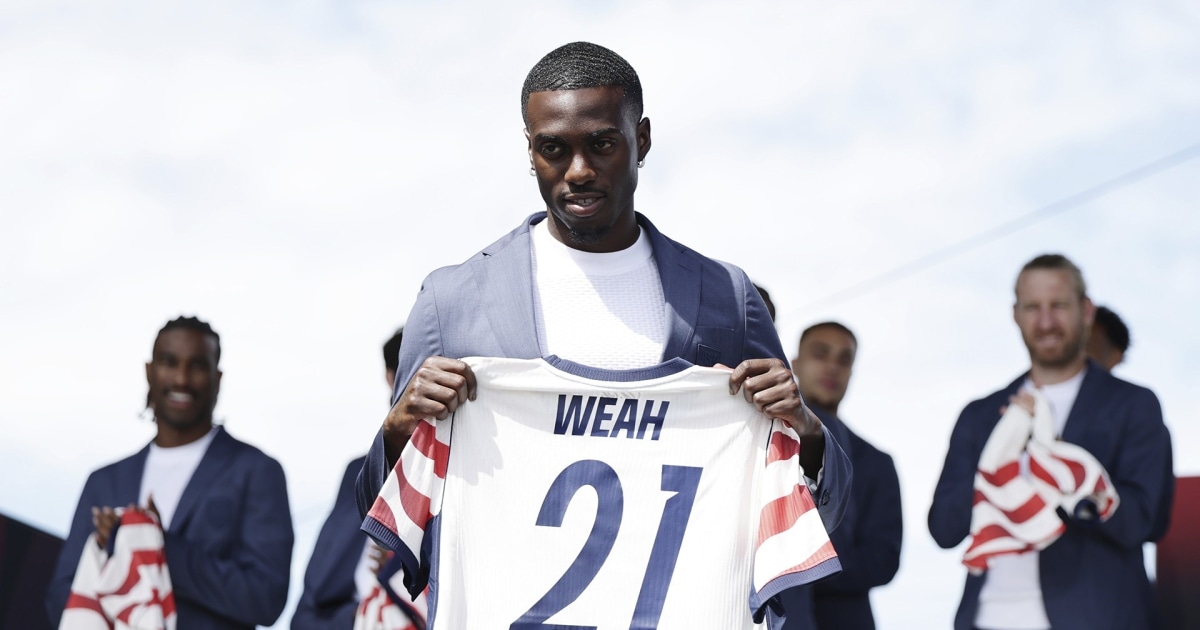
Hijo del ganador del Balón de Oro y crack, George Weah, Timothy creció en los barrios de Queens y con una identidad afianzada como estadounidense. Ahora busca aportar su granito de arena para mejorar
Hijo del ganador del Balón de Oro y crack, George Weah, Timothy creció en los barrios de Queens y con una identidad afianzada como estadounidense. Aho
Read Full Story at NBC News →Timothy Weah’s journey from the working-class neighborhoods of Queens to the global stage of professional soccer is more than a personal triumph—it reflects the evolving identity of the U.S. Men’s National Team and the broader cultural shifts within American soccer. As the son of George Weah, the only African Ballon d’Or winner and Liberia’s first democratically elected president, Timothy carries the weight of two distinct legacies: one of African excellence and another of immigrant resilience. His upbringing in Queens, a borough where over 50% of residents are foreign-born, shaped him into a player who embodies the diversity of modern America. In an era where soccer is increasingly a melting pot of cultures, Weah’s story underscores how the sport is no longer confined to traditional immigrant hubs like Los Angeles or New York City’s enclaves but is spreading across urban landscapes where identity is fluid. The broader significance of Weah’s rise lies in his potential to bridge divides—not just between continents, as his dual heritage suggests, but within the U.S. soccer ecosystem. While stars like Christian Pulisic and Weston McKennie have already broken through, Weah represents a different kind of American narrative: one rooted in the African diaspora and honed in the competitive youth systems of a city where soccer is often secondary to basketball or football. His path challenges the stereotype of American soccer players as either homegrown products of suburban academies or foreign-born talents recruited at a young age. Instead, Weah’s career highlights how the sport is becoming a unifying force across class and ethnic lines in America. Looking ahead, Weah’s trajectory raises key questions about the future of U.S. soccer development. Will his success inspire a new wave of players from communities like Queens, where resources for soccer are often scarce? Or will the system continue to favor those with access to elite academies? Additionally, as the USMNT prepares for the 2026 World Cup on home soil, Weah’s role could signal whether the team is evolving from a scrappy underdog to a squad with depth in both talent and cultural representation. One thing is certain: in a sport where identity politics are increasingly intertwined with performance, Weah’s story is far from over.





