Henry Legg challenges Microsoft’s qubit claim in Nature
Henry Legg argues Microsoft’s "topological qubit" claim is likely just noise, challenging their breakthrough in *Nature*. Microsoft defends its findings despite past retractions and ongoing skepticism
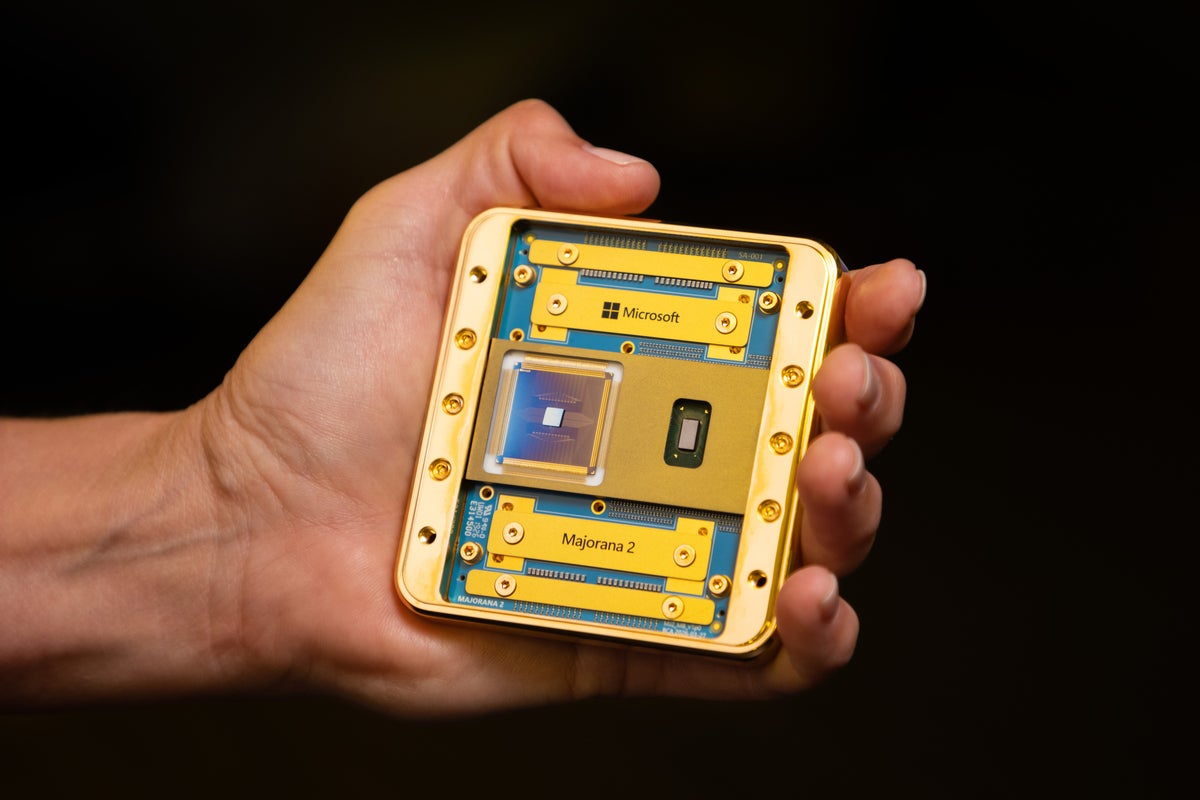
A leading quantum physicist has accused Microsoft of overhyping its progress on “topological qubits,” the building blocks of a next-generation quantum
Read Full Story at Scientific American →Why This Matters
The skepticism surrounding Microsoft’s topological qubit claims strikes at the heart of quantum computing’s credibility—a field already grappling with inflated expectations and the pressure to deliver tangible progress. If topological qubits, long touted as the most promising path to stable, scalable quantum computing, are fundamentally flawed, it could force a reckoning in both research priorities and investor confidence across the industry.
Background Context
Microsoft’s pursuit of topological qubits dates back to the early 2010s, when the company bet heavily on this approach as a way to overcome the error-prone nature of traditional superconducting and trapped-ion qubits. The method relies on exotic quasiparticles called Majorana fermions, which Microsoft claimed to have observed in 2018—only for those findings to be retracted after external scrutiny. This isn’t the first time quantum breakthroughs have been walked back, but the stakes are higher now given the billions funneled into quantum initiatives by governments and corporations alike.
What Happens Next
Legg’s challenge could accelerate a shift toward alternative qubit architectures, particularly those already demonstrating measurable progress, such as IBM’s superconducting systems or Google’s photonic approaches. Microsoft may double down on defending its topological qubit claims, but the reputational damage from past retractions complicates its ability to attract top talent and funding. Meanwhile, regulators and investors may demand stricter validation protocols before greenlighting further quantum investments.
Bigger Picture
This debate reflects a broader pattern in quantum computing: the tension between ambitious theory and the harsh realities of experimental physics. As the industry matures, skepticism from independent researchers will likely grow, pressuring labs to adopt more transparent verification methods. The outcome could redefine which players lead the quantum race—or whether the field’s promise outpaces its deliverables for years to come.





