Trump cuts permits to fast-track AI energy projects
Trump’s administration will fast-track energy project permits to meet AI’s massive power needs, cutting approval times from years to weeks. This risks increased carbon emissions and bypasses environme
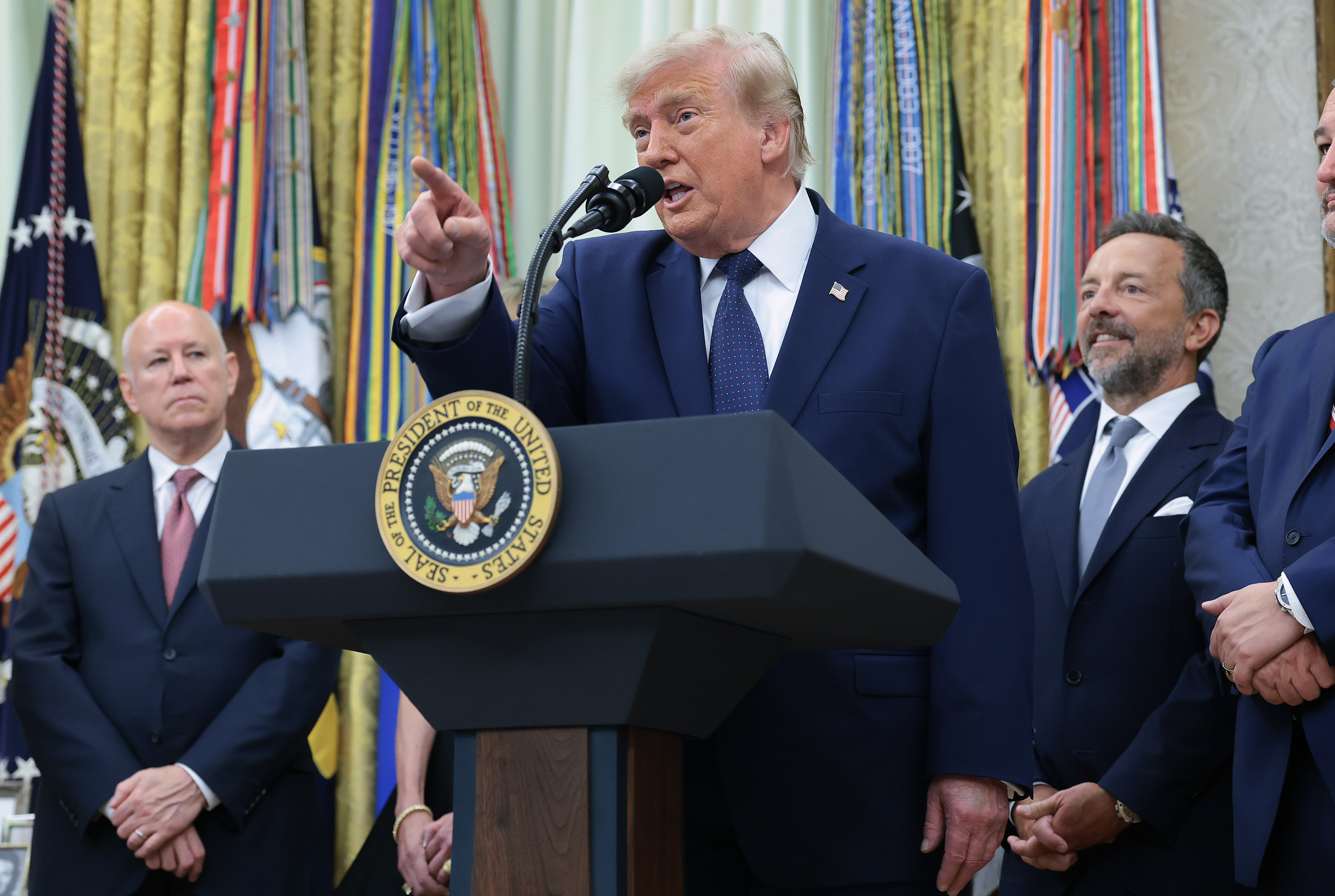
President Donald Trump announced Monday that his administration will fast-track permits for new energy projects to power the country’s booming data ce
Read Full Story at Inside Climate News →Why This Matters
The Trump administration’s push to fast-track permits for energy projects in service of AI expansion isn’t just about powering data centers—it’s a defining moment for America’s energy policy in the digital age. By prioritizing AI infrastructure over environmental safeguards, the move signals a fundamental shift in how the U.S. balances technological ambition with climate commitments, with long-term consequences for global energy markets and carbon governance.
Background Context
Since the 2015 Paris Agreement, U.S. energy policy has been caught in a tug-of-war between decarbonization goals and industrial growth. The Trump administration’s earlier rollbacks of environmental regulations—including streamlined permitting for fossil fuel projects—set the stage for today’s AI-driven energy surge. Meanwhile, AI’s voracious power demands have exposed a critical flaw in the green transition: renewable energy alone cannot yet meet the scale of demand without massive grid expansions or fossil fuel backups.
What Happens Next
State and local governments will likely face pressure to approve permits at breakneck speed, potentially triggering legal challenges from environmental groups. Watch for industry lobbying to shape the exact criteria for ‘fast-tracked’ projects, as well as battles over whether new natural gas plants—often marketed as ‘bridge fuels’—will become the default solution. The EPA’s role in enforcement could become a flashpoint, especially if carbon emissions data begins to spike.
Bigger Picture
This policy reflects a broader trend of prioritizing disruptive technologies over incremental climate action, echoing past industrial revolutions where environmental externalities were deferred. It also highlights the growing tension between the U.S. and Europe on AI governance, where environmental safeguards remain a non-negotiable part of digital infrastructure planning. If successful, the acceleration of AI projects could redefine America’s energy landscape—with ramifications for global supply chains, geopolitical energy dynamics, and the fight against climate change.