UK electric car sales target to be weakened
The UK government is set to water down its target for how many new cars that are sold need to be electric vehicles (EVs). Under the current rules, 80% of all new cars sold in the UK need to be EVs by 2030, but car makers and trade unions have been lobbying government for years t
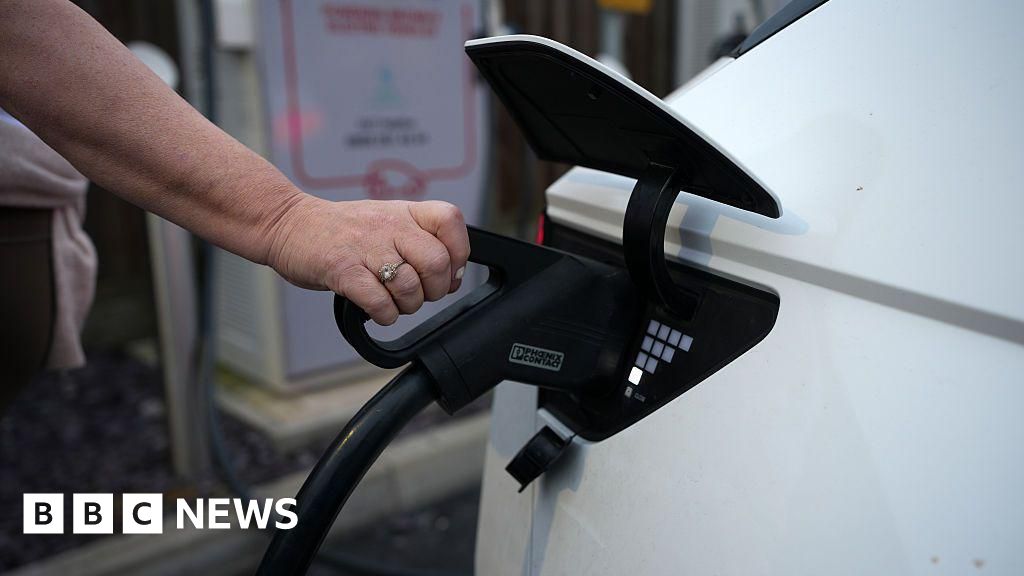
The UK government is set to water down its target for how many new cars that are sold need to be electric vehicles (EVs).
Under the current rules, 80% of all new cars sold in the UK need to be EVs by 2030, but car makers and trade unions have been lobbying government for years to reduce the target because of concerns costs and jobs.
Meanwhile, sustainability groups say any weakening of the target will threaten the UK's long-term electrification and climate goals.
The government will hold a consultation on what the new 2030 target should be, meaning it could take months before it is decided, but numbers ranging from 50% to 70% are under consideration.
A ban on sale of new petrol and diesel vehicles by 2030 was first announced by former prime minister Boris Johnson in 2020 and pushed back to 2035 by Rishi Sunak when he was prime minister .
Alongside this change, Sunak introduced phased targets for EV sales in the UK, known as the Zero Emission Vehicles (ZEV) mandate.
Under the ZEV mandate, the percentage of new car sales that need to be EVs increases each year. The target was 28% for 2025, 33% for 2026, and so on until it reaches 80% by 2030.
Labour has pledged in its manifesto to bring the petrol and diesel ban back to 2030. Meanwhile, a policy review on the separate ZEV mandate had been expected early next year but the industry has pushed for it to happen sooner.