US strikes target Iranian military boats
The US has launched strikes on Iranian IRGC small boats and targets in the country in response to attacks on three oil tankers in the Strait of Hormuz A fire was filmed burning in Bandar Abbas, Iran,
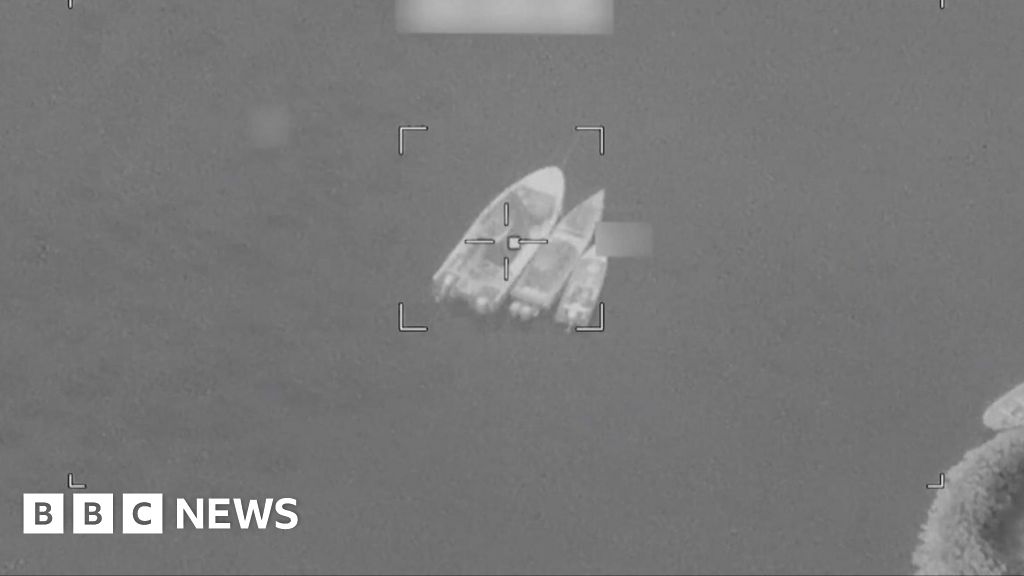
The US has launched strikes on Iranian IRGC small boats and targets in the country in response to attacks on three oil tankers in the Strait of Hormuz
Read Full Story at BBC World News →Why This Matters
This escalation marks one of the most direct U.S. military responses to Iranian aggression in years, signaling a potential shift from proxy conflicts to direct confrontation. The strikes also underscore Washington’s willingness to defend its strategic interests in the Gulf—where nearly a third of the world’s seaborne oil passes—even as it navigates a delicate balance with Tehran amid broader regional tensions.
Background Context
The Strait of Hormuz has long been a flashpoint, with Iran previously seizing oil tankers and disrupting shipping during past standoffs. The IRGC’s small boats, often armed with anti-ship missiles, have been used in asymmetric tactics to project power without triggering large-scale war. Meanwhile, the U.S. has maintained a naval presence in the region to deter threats, but recent attacks suggest Iran is testing new limits.
What Happens Next
Iran may retaliate with further attacks or symbolic gestures, but a full-scale conflict remains unlikely due to mutual deterrence. The strikes could embolden Gulf allies to press for stronger U.S. protection, while Tehran may seek to rally domestic support by framing the strikes as aggression. Watch for Iranian naval deployments, proxy militia activity in Iraq or Yemen, and diplomatic efforts by regional mediators.
Bigger Picture
This incident fits a pattern of increasing maritime provocations in the Gulf, where Iran balances plausible deniability with escalatory pressure. It also reflects a broader erosion of de-escalation channels, as both sides prioritize deterrence over dialogue. With global oil markets sensitive to supply disruptions, even limited clashes risk broader economic ripple effects.