U.S. feared Israel would assassinate Iran nuclear negotiators
The U.S. feared Israel might assassinate Iranian nuclear negotiators, a move Washington believes would destroy diplomacy and spark regional war. This tension exposes a strategic rift between American
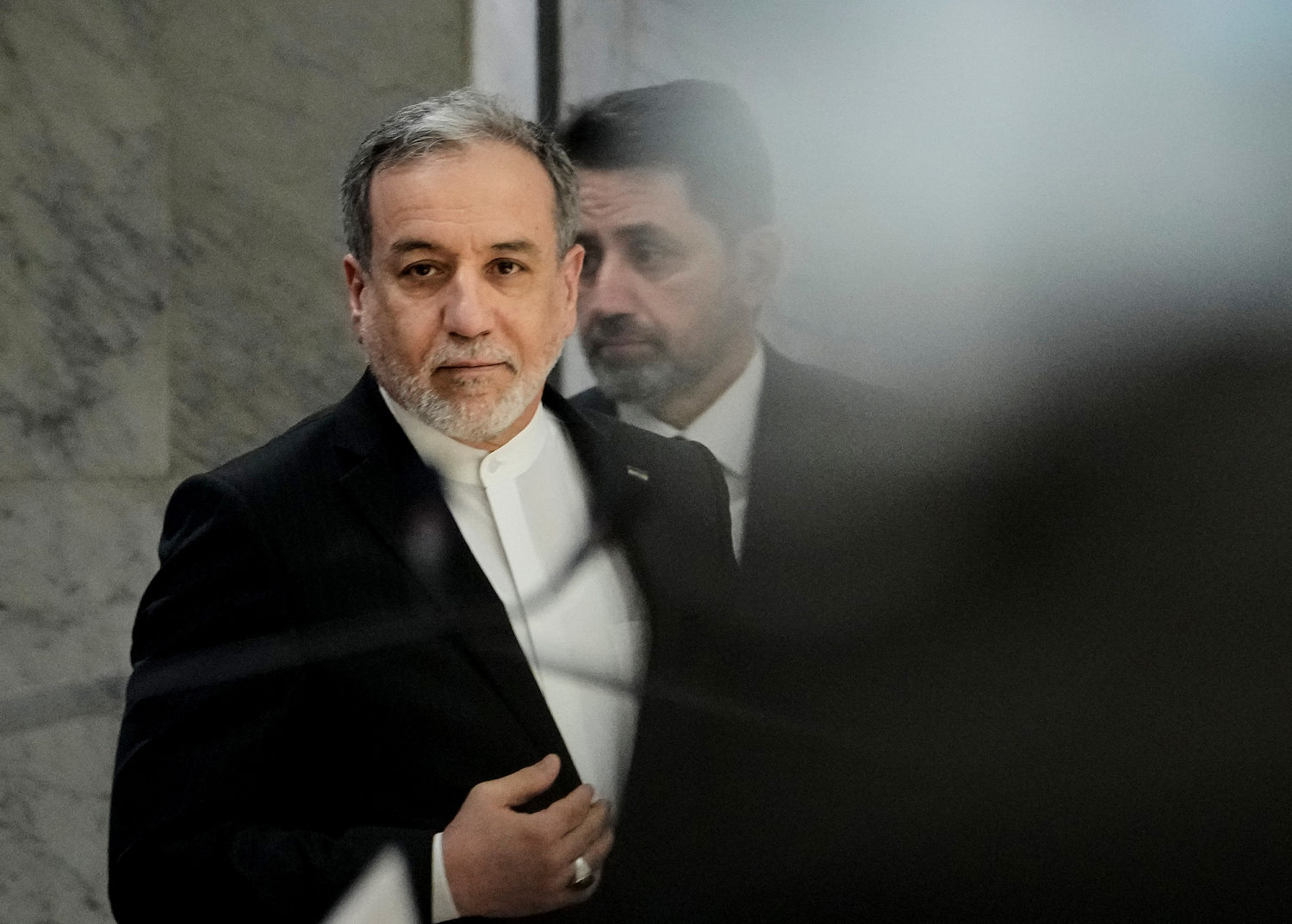
The United States government was deeply alarmed by reports that Israeli officials were considering lethal actions against Iranian nuclear negotiators
Read Full Story at NBC News →Why This Matters
The revelation of U.S. concerns over potential Israeli assassinations of Iranian nuclear negotiators underscores the fragility of diplomatic efforts in a region where covert actions and proxy conflicts often overshadow formal talks. It highlights a fundamental tension in Washington’s approach—balancing alliance obligations with the risk of destabilizing the very negotiations it seeks to protect, particularly as regional actors increasingly test the limits of U.S. influence.
Background Context
Israel and Iran have engaged in a shadow war for decades, marked by covert strikes, cyberattacks, and targeted killings that rarely escalate into full-blown conflict. The nuclear negotiations, however, represent a rare diplomatic channel where both sides have implicitly acknowledged the need for restraint—until now. The U.S., despite its close ties to Israel, has long positioned itself as the mediator between Tehran and Jerusalem, a role complicated by the 2018 U.S. withdrawal from the JCPOA and subsequent regional escalations.
What Happens Next
If Israel were to act on such intentions, the immediate collapse of diplomatic channels would likely trigger a cycle of retaliation, with Iran responding through proxies or direct strikes, and Israel potentially broadening its military operations. Washington’s response would test its ability to rein in an ally while avoiding a rupture in bilateral relations, particularly as domestic political pressures in both countries shape their calculus. The absence of a clear deterrent mechanism leaves the door open for miscalculation.
Bigger Picture
This episode reflects a broader erosion of trust in multilateral diplomacy, where regional powers increasingly bypass formal processes in favor of unilateral actions that serve immediate security or political goals. It also signals a shift in the U.S.-Israel relationship, where strategic divergences—on Iran policy, settlements, or even the definition of existential threats—are becoming harder to paper over. The trend toward preemptive strikes and covert operations may yield short-term tactical gains but risks eroding the long-term stability that even the most hawkish policymakers claim to seek.