What's in the US-Iran agreement that's now in effect
A US-Iran agreement to extend the ceasefire between the two countries has been signed and is now in effect, a White House official has confirmed to the BBC. President Donald Trump formally signed the deal - which is set to reopen the pivotal Strait of Hormuz - while attending th
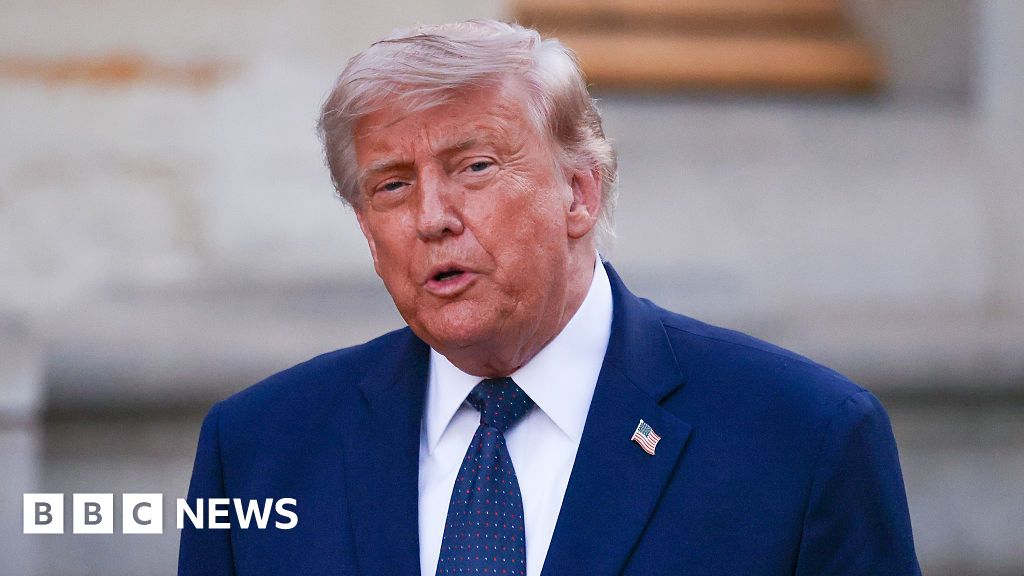
A US-Iran agreement to extend the ceasefire between the two countries has been signed and is now in effect, a White House official has confirmed to the BBC.
President Donald Trump formally signed the deal - which is set to reopen the pivotal Strait of Hormuz - while attending the G7 summit in Evian-les-Bains in France.
The 14-point agreement, which is known as a Memorandum of Understanding, says that Iran will never have a nuclear weapon, and also commits a $300 billion fund for the "reconstruction and economic development" of the country - although the US is not required to contribute. It comes four months after the conflict between the countries - and Israel - broke out.
The agreement has been described by the Trump administration as "performance-based", with Iran benefitting only if it complies with its commitments.
While the text of the deal leaves many questions unanswered - and many key issues unsolved - here's what we know about some of the key points.
The first paragraph of the agreement notes that the US, Iran and allies will declare an "immediate and permanent" termination of military operations on "all fronts" - including Lebanon.
From the US perspective, Trump has been growing increasingly concerned that Israeli military operations against Hezbollah could upend the agreement with Iran.
Tehran, for its part, has repeatedly said it expected Lebanon to be covered by the truce.