WHO chief heads to Ebola epicentre - as Brazil investigates suspected case
WHO Director-General Dr Tedros Adhanom Ghebreyesus visited Ebola-stricken North Kivu, DRC, to assess containment amid over 500 deaths and rising transmission. Brazil investigates a suspected Ebola case in a traveller from DRC, highlighting global transmission risks.
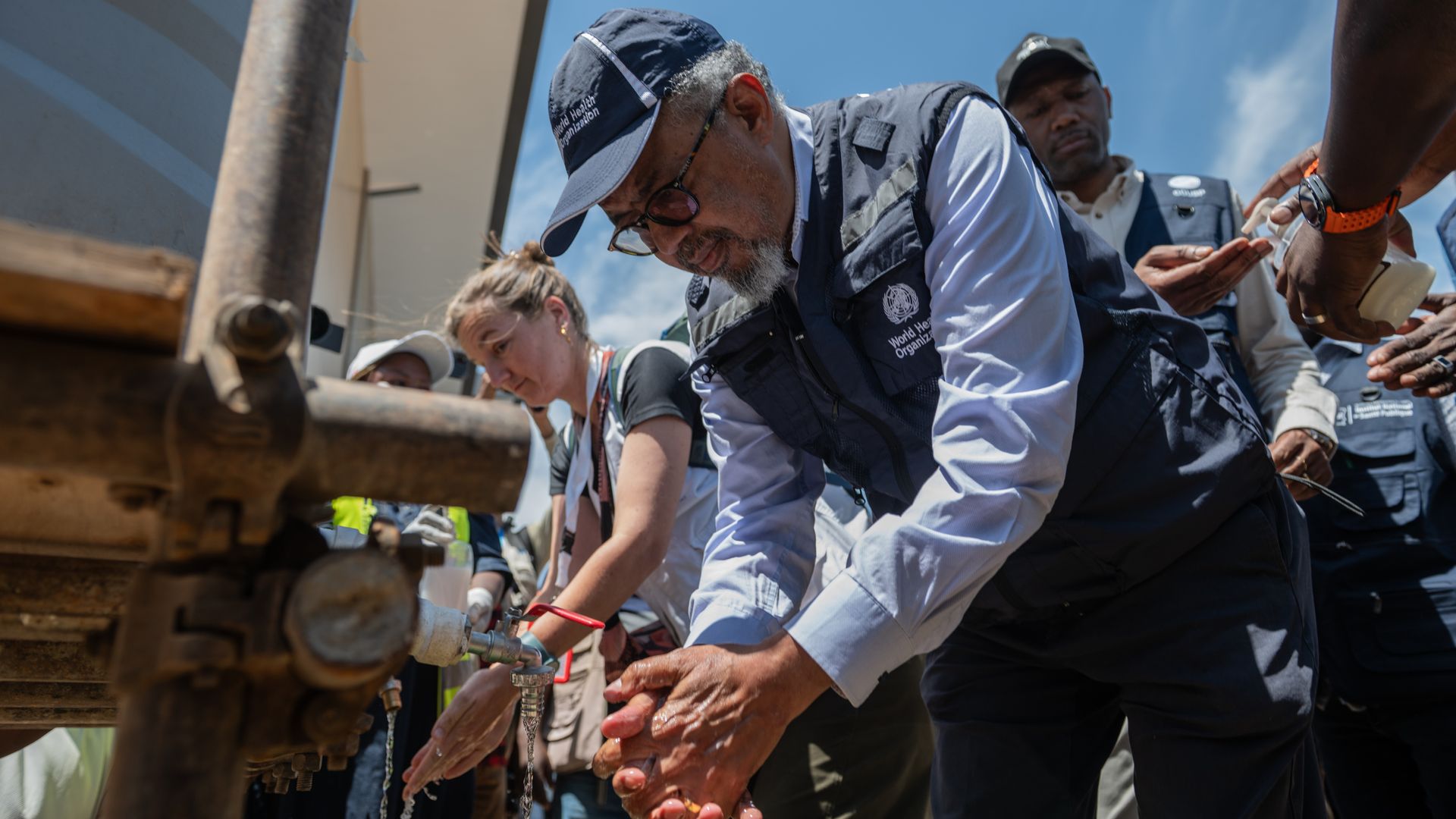
The head of the World Health Organization (WHO) has arrived in the Democratic Republic of Congo (DRC) to visit the epicentre of the country’s latest Ebola outbreak, as health authorities warn of rising transmission rates and a fragile security situation complicating containment efforts. Dr Tedros Adhanom Ghebreyesus, WHO Director-General, travelled to North Kivu province, the epicentre of the outbreak declared in August 2024, to assess the response on the ground and urge communities to adopt safer practices, including prompt medical care and adherence to dignified, safe burial protocols. His visit follows reports of continued resistance among some local populations to health interventions, fuelled by mistrust and misinformation, which has hindered efforts to curb transmission.
The outbreak in North Kivu is the latest in a series of recurring Ebola crises in the DRC, a country that has faced more than a dozen outbreaks since the virus was first identified in 1976. This current surge has claimed over 500 lives and infected more than 1,200 people, according to WHO data, amid reports of attacks on health workers and treatment centres. The region’s volatile security environment, marked by armed group activity and population displacement, has repeatedly disrupted surveillance and vaccination campaigns, allowing the virus to spread unchecked. International health organizations have called for increased protection for frontline workers and sustainable community engagement strategies to overcome resistance.
The visit by Dr Tedros comes as Brazil investigates a suspected Ebola case in a traveller recently arrived from the DRC, raising concerns about cross-border transmission. While health authorities in São Paulo have yet to confirm the diagnosis, the case underscores the global risks posed by the ongoing outbreak. Ebola’s high fatality rate and potential for rapid international spread via air travel have kept global health agencies on high alert. The WHO has maintained that the risk of regional and international spread remains low but not negligible, especially given the DRC’s porous borders and frequent population movements.
This Ebola resurgence is unfolding against the backdrop of broader public health challenges, including the lingering impacts of the COVID-19 pandemic and strained health systems in many African nations. The WHO’s leadership presence in North Kivu signals a renewed commitment to strengthening outbreak response, but experts warn that without improved security coordination and community trust, the outbreak could continue to smoulder. As Dr Tedros meets with local officials and health workers, the international community will be watching closely to determine whether this latest intervention can finally turn the tide against a virus that has repeatedly tested global resilience.