Witnessing joy amid the death: BBC travels to epicentre of Ebola outbreak
It is strange to witness singing and dancing in a place which has seen so much death but the successful treatment of an Ebola patient is cause for celebration at a hospital in the north-east of the Democratic Republic of Congo. Just after midday on Friday, about a dozen healthca
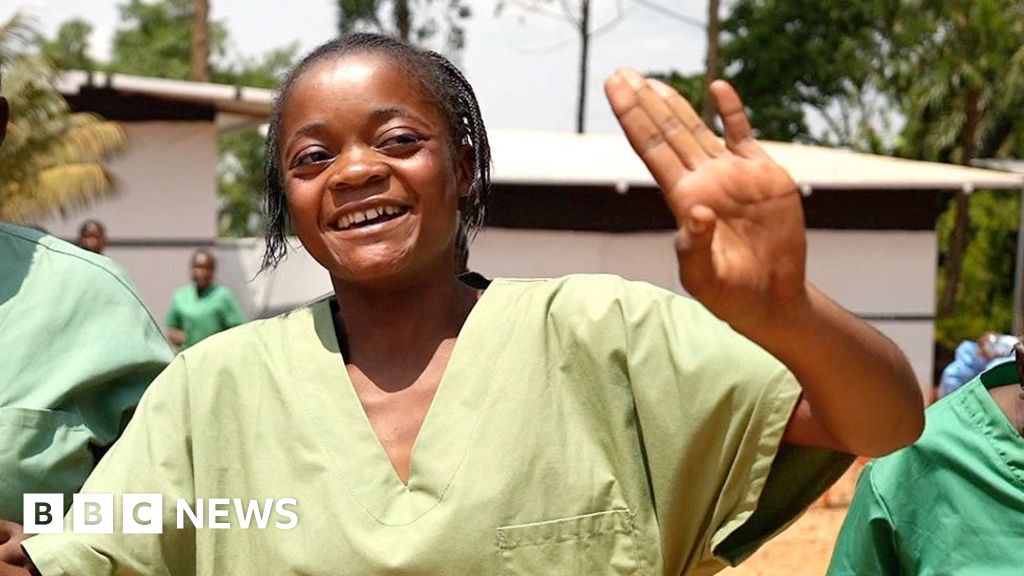
It is strange to witness singing and dancing in a place which has seen so much death but the successful treatment of an Ebola patient is cause for celebration at a hospital in the north-east of the Democratic Republic of Congo.
Just after midday on Friday, about a dozen healthcare workers in green scrubs sang songs of praise – "grace has been shown to us; grace has been shown to patients" - as they escorted Daniel Kitambala out of the clinic.
Two negative Ebola tests confirmed he was free of the virus after spending about three weeks at the facility.
"That disease is terrible. I was feeling very ill [when I came here]. But God is great, I am well now," Kitambala, a devout Christian, told the BBC as the medics continued to cheer.
The 49-year-old, dressed in a black T-shirt and trousers and carrying a black polythene bag with his sterilised belongings, was beaming with joy and relief as he walked between the two lines of orange netting that mark out the path out of the treatment centre.
More than 140 people are confirmed to have died from the rare Bundibugyo species of the disease here in Ituri province, the epicentre of the latest outbreak that was first declared just over a month ago.
But this virus, which has killed around one in five of those known to have been infected, could have been spreading undetected for months. The authorities are now battling to get infections under control.
That struggle is in part about overcoming local myths, including that the disease is the result of something known here as the "coffin curse" and that treatment centres are the problem rather than the solution.