Ebola spread in DR Congo 'deeply alarming', MSF warns
Ebola cases in eastern DRC exceed 1,000 with 246 deaths, spreading faster than response efforts, per MSF. WHO cites conflict and unsafe funeral practices as major obstacles, with nine Ugandan cases reported.
The rapid spread of Ebola in the eastern Democratic Republic of Congo (DRC) has been described as "deeply alarming" by Médecins Sans Frontières (MSF), as the death toll from the latest outbreak surpassed 246 and suspected cases exceeded 1,000. Speaking two weeks after the declaration of the epidemic in Ituri Province, MSF’s deputy director, Dr Alan Gonzalez, warned that the situation was deteriorating faster than response efforts could contain it. With more than 1,000 suspected cases and at least 246 deaths recorded, the current outbreak has already outpaced previous ones in both scale and speed. Gonzalez emphasised that the true extent of the crisis remains uncertain, as hundreds of samples await testing while new cases continue to emerge daily.
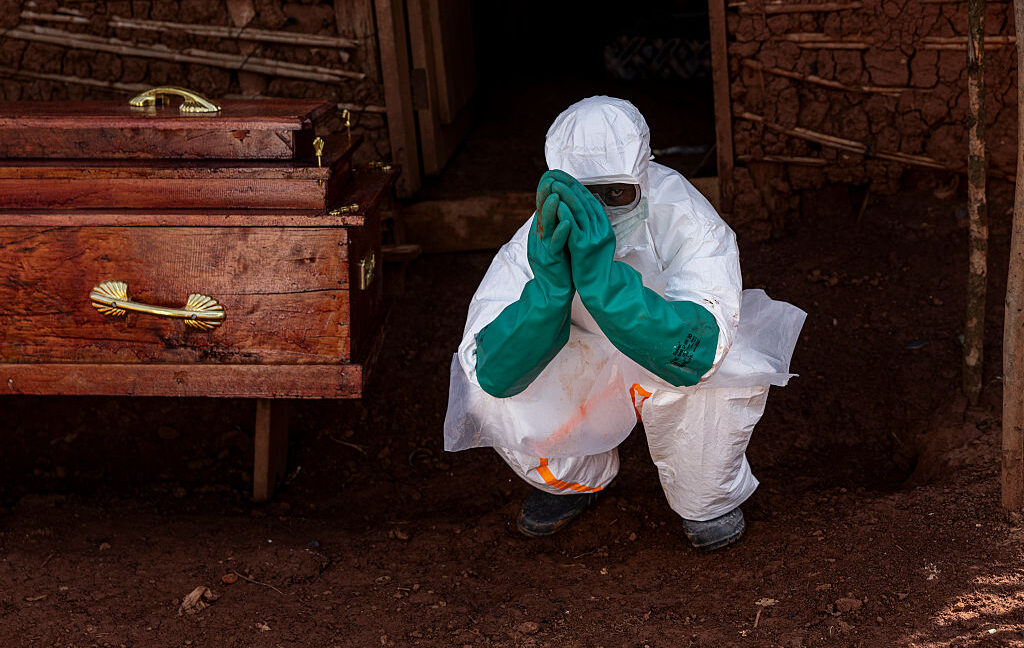
The World Health Organization (WHO) has also expressed grave concerns, particularly over the impact of ongoing conflict in the region, which has severely disrupted containment measures. WHO Director-General Dr Tedros Adhanom Ghebreyesus arrived in Ituri’s provincial capital, Bunia, on Saturday to assess the response and address key challenges. Speaking to communities in the outbreak’s epicentre, he acknowledged their deep understanding of the crisis but stressed the need for collective action to prevent further transmission. "While we grieve for those we’ve lost, we must do everything we can so that we don’t lose another," he said, urging families to abandon dangerous funeral practices that risk spreading the virus.
The Ebola virus, which normally circulates among animals such as fruit bats, has now infected more than 1,000 people in the DRC, with neighbouring Uganda reporting nine confirmed cases and one death. Transmission occurs through direct contact with bodily fluids from an infected person or contaminated objects, making isolation and strict hygiene measures critical. Health authorities warn that the outbreak’s trajectory remains unpredictable, compounded by logistical barriers such as border and airport closures, which have delayed aid deliveries and medical supplies.
Despite the escalating crisis, daily life in Bunia continues with little visible disruption, underscoring the need for heightened vigilance. WHO officials have called for greater community involvement in combating the disease, while MSF and other agencies struggle to match the epidemic’s pace. As the international response intensifies, experts stress that without urgent action, the outbreak risks spiralling further out of control, deepening a humanitarian emergency that has already claimed hundreds of lives.