Experts convened by WHO advise on candidate treatments and vaccines for Ebola disease caused by Bundibugyo virus
In response to the current outbreak of Ebola disease caused by Bundibugyo virus occurring in the Democratic Republic of the Congo, with cases also reported in Uganda, WHO convened several of its expert and advisory groups. These groups assessed potential vaccines and therapeutics
In response to the current outbreak of Ebola disease caused by Bundibugyo virus occurring in the Democratic Republic of the Congo, with cases also reported in Uganda, WHO convened several of its expert and advisory groups. These groups assessed potential vaccines and therapeutics for both prevention and treatment of Bundibugyo virus disease (BVD). The WHO advisory groups recommended that all the products identified and considered be used exclusively within clinical trials to generate robust data and ensure safe, ethical, and effective research.
WHO convened a series of meetings with the WHO R&D Blueprint technical advisory groups on candidate vaccines and therapeutics for BVD.
In parallel, WHO also convened the Strategic Advisory Group of Experts on Immunization (SAGE) and its Ebola vaccine working group to advise on the potential role of licensed Ebola vaccines during BVD outbreaks.
There are currently no licensed therapeutics or vaccines specifically approved for the prevention and treatment of BVD. Nevertheless, WHO advisory groups considered several candidate products that are promising enough to warrant prioritization for evaluation in clinical trials. WHO is now working closely with the governments of the Democratic Republic of the Congo and Uganda to facilitate the implementation of research evaluation of these products.
WHO, the governments of the Democratic Republic of the Congo and Uganda, the Africa Centres for Disease Control and Prevention (Africa CDC), the ANRS Emerging infectious diseases (French National Agency for Research on AIDS and Viral Hepatitis), and other scientific partners are working together to develop and implement appropriate protocols to assess the safety and efficacy of the prioritized therapeutics through clinical field trials.
WHO calls for accelerated access to essential supplies, stronger community protection, engagement and trust, and coordinated investment in the research, development and evaluation of BVD countermeasures.
All research must adhere to the highest ethical standards, under the leadership of the national health authorities and in close consultation with affected communities.
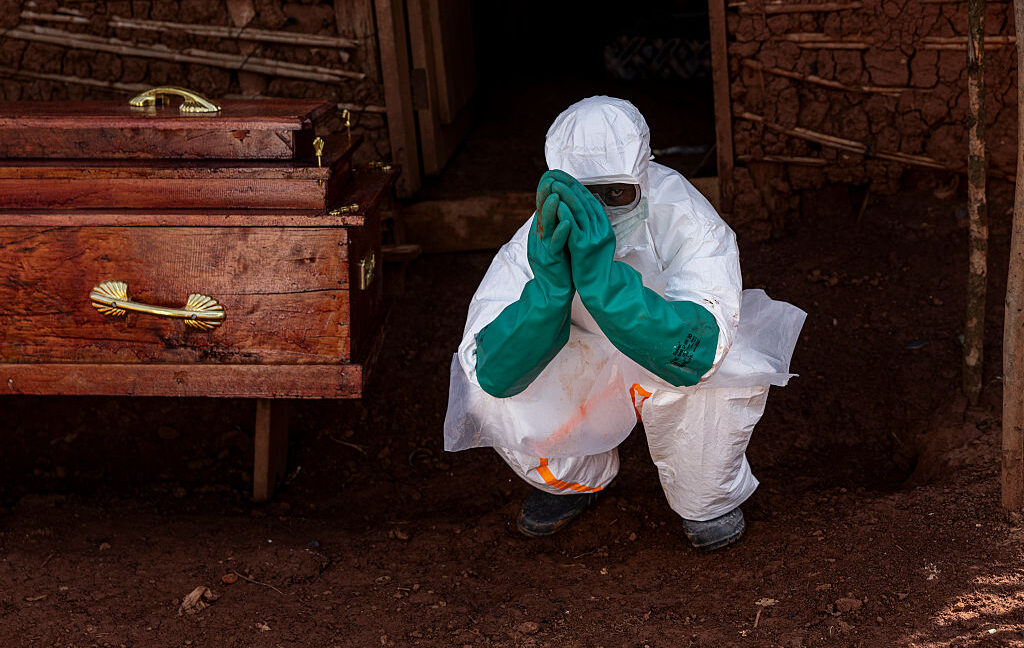
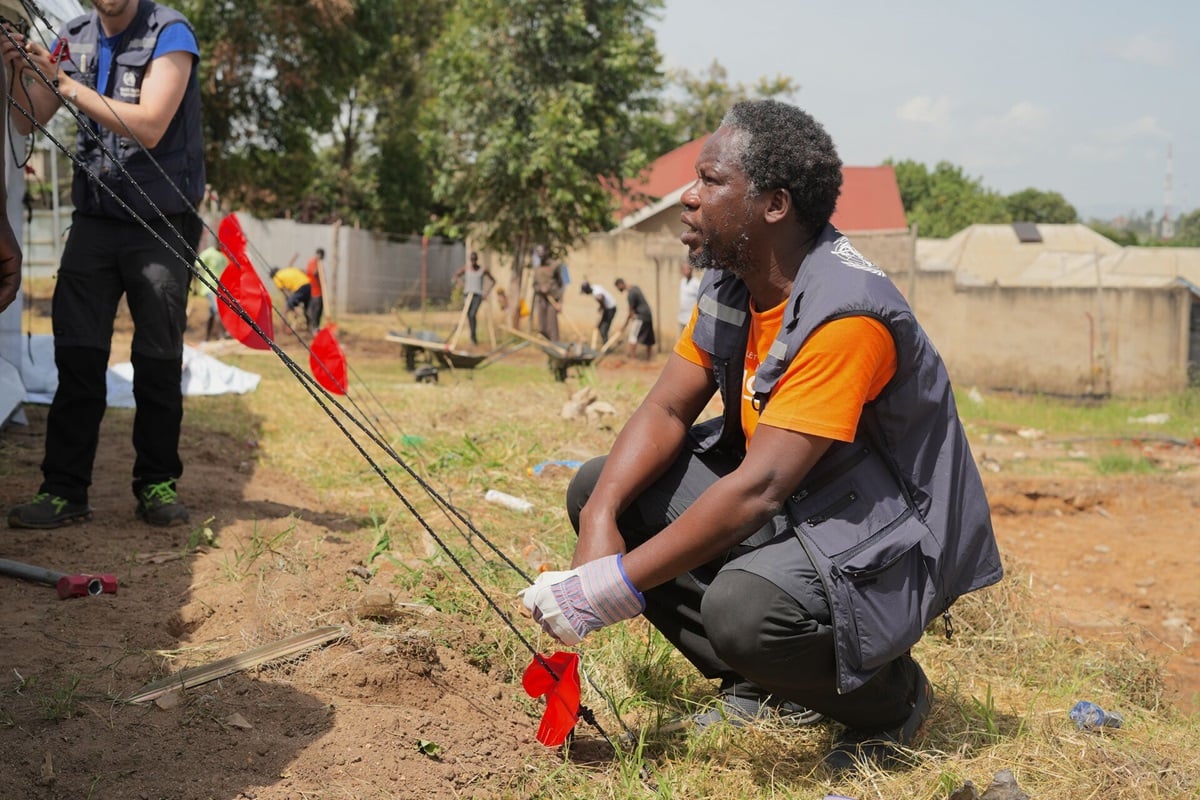
In the meantime, our priority is to stop transmission with tools that we have used for decades of Ebola responses, which include disease surveillance, rapid testing and diagnosis, contact tracing, isolation and care for patients, infection prevention and control, community engagement, and safe and dignified burials.