Choose Language
Select a language for news translation.

The Eiffel Tower-sized asteroid 2008 OS7 will safely pass within 1.7 million miles of Earth this weekend, visible with binoculars. This rare event highlights t…
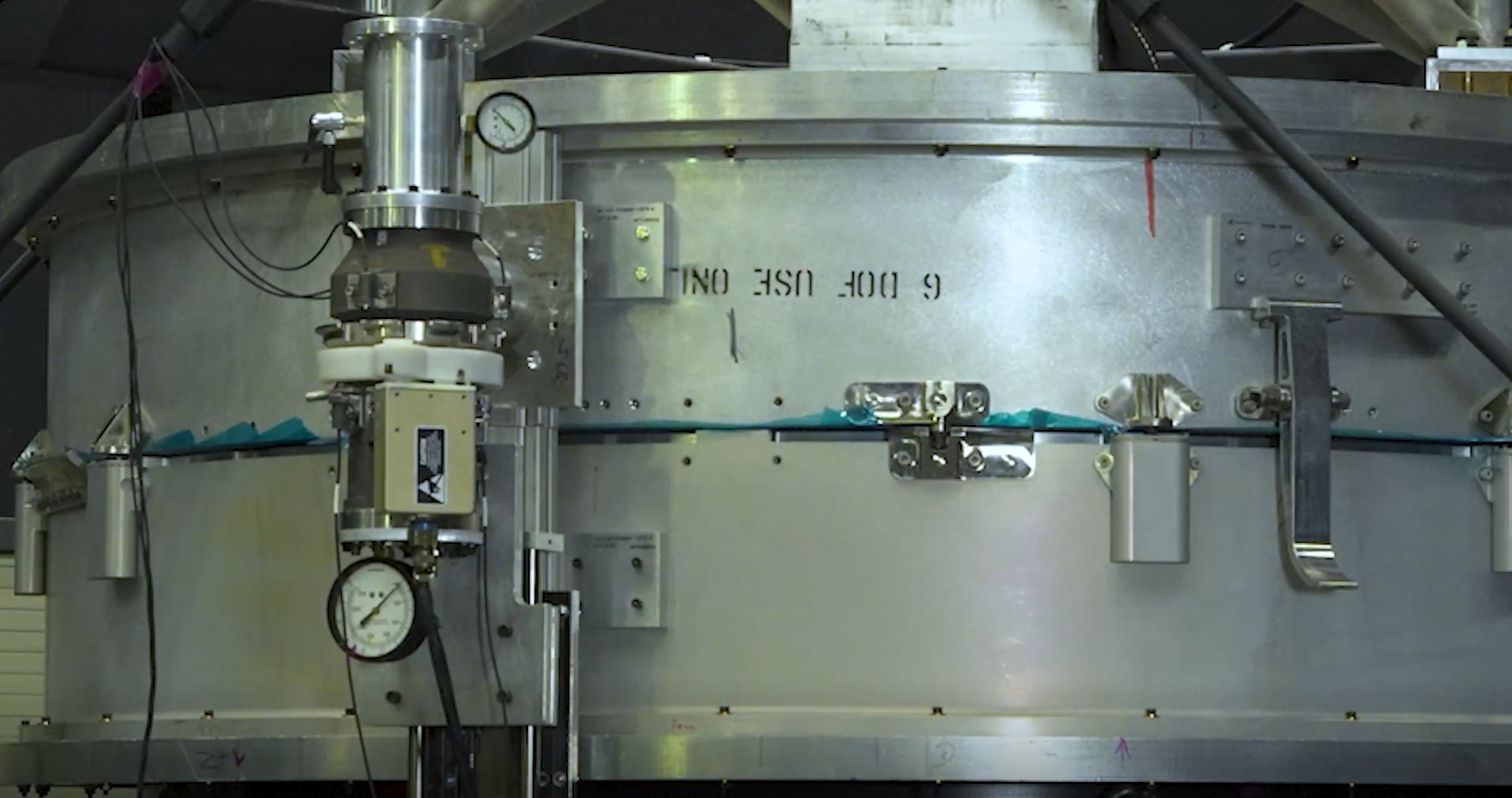
NASA tested a new in-space refueling device that successfully transferred volatile propellants without leaks, a critical step for longer missions. This technol…
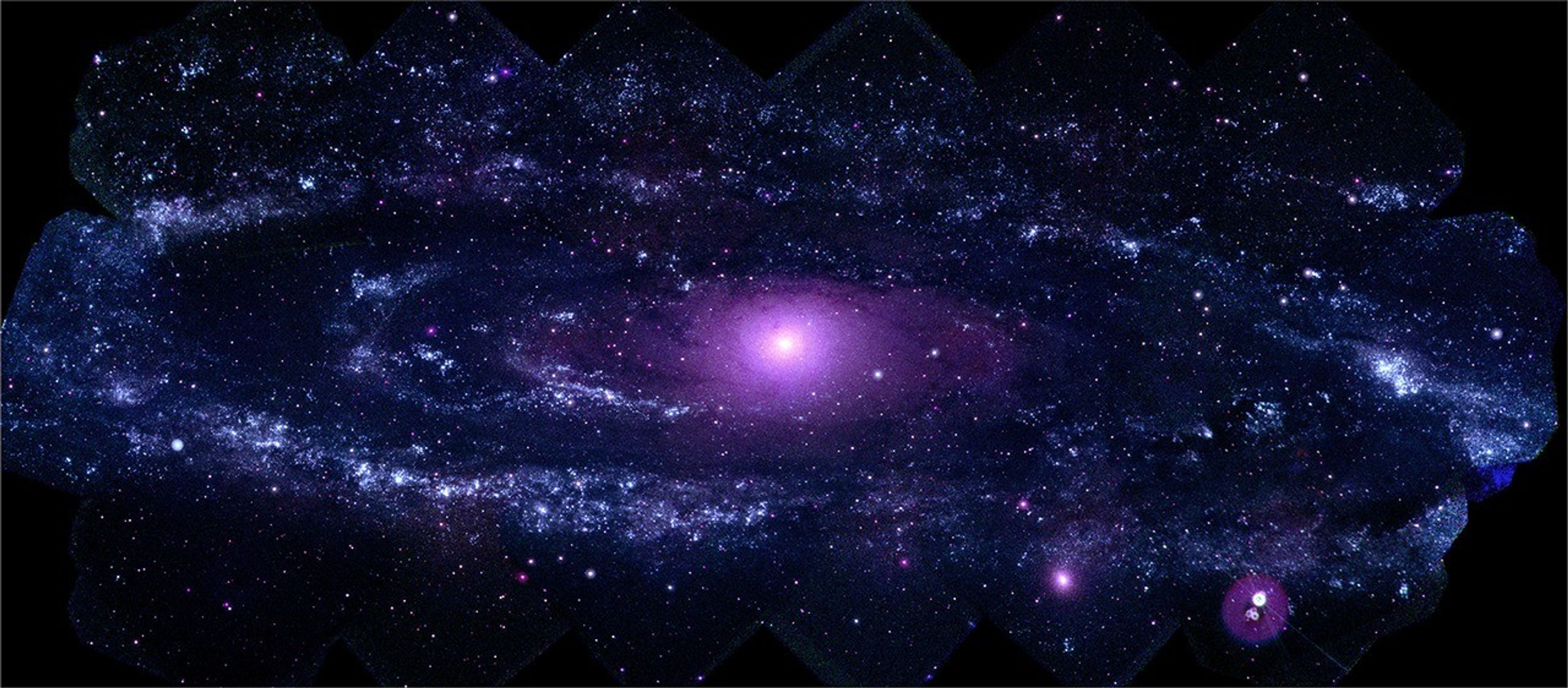
NASA and Northrop Grumman will launch the Swift Boost Mission on June 30 to raise the Swift observatory's orbit by 30 miles, extending its operational life by …

Blue Origin’s New Glenn rocket failed during its first launch on October 13 due to a second-stage ignition issue. The $3.4 billion NASA contract for Mars missi…
NASA selected 41 space technologies from 37 companies to develop for long-term Moon missions and Mars travel, focusing on rockets, lunar gear, and power system…
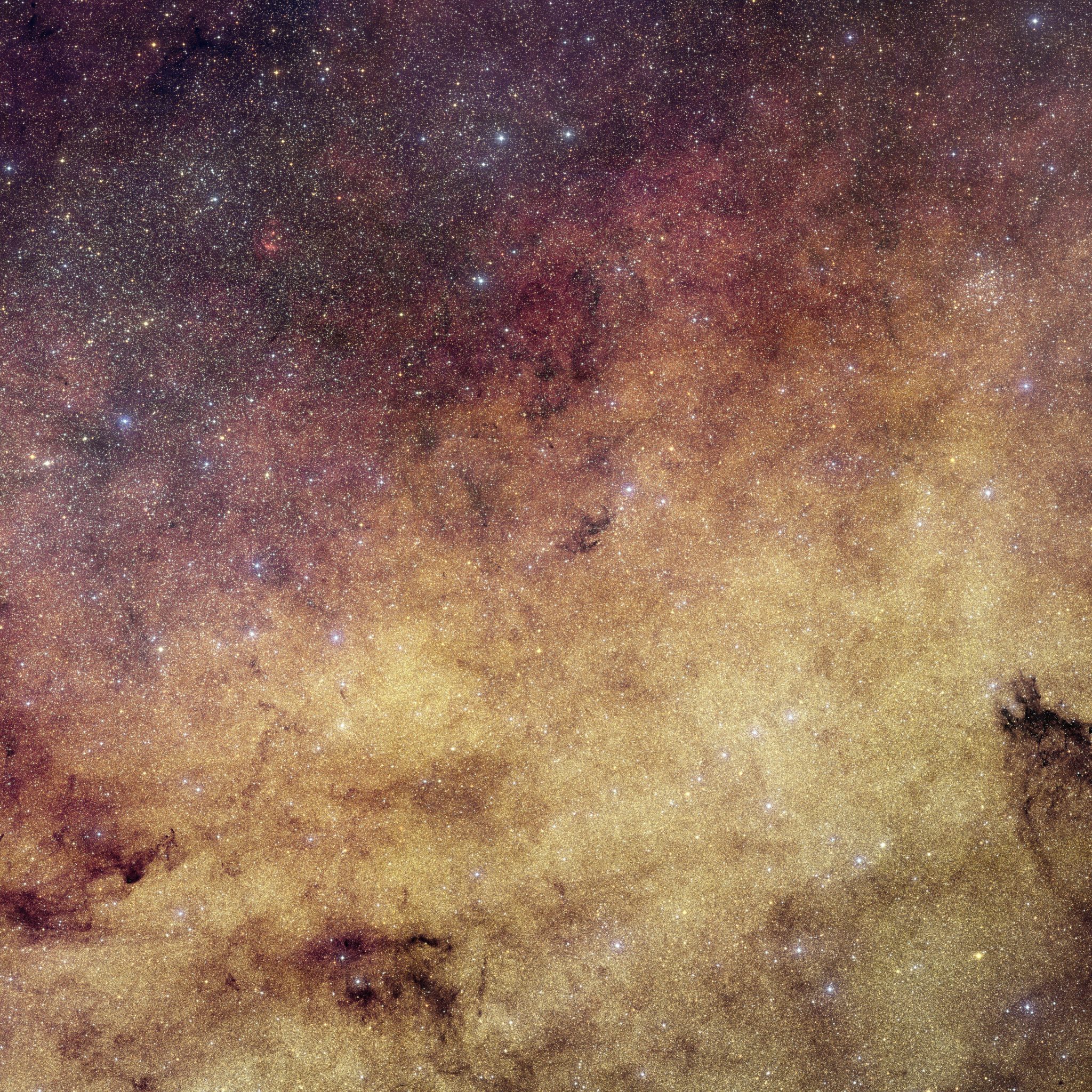
Euclid’s infrared image exposes the Milky Way’s crowded center in never-before-seen detail, letting scientists study star birth and black holes through the dus…
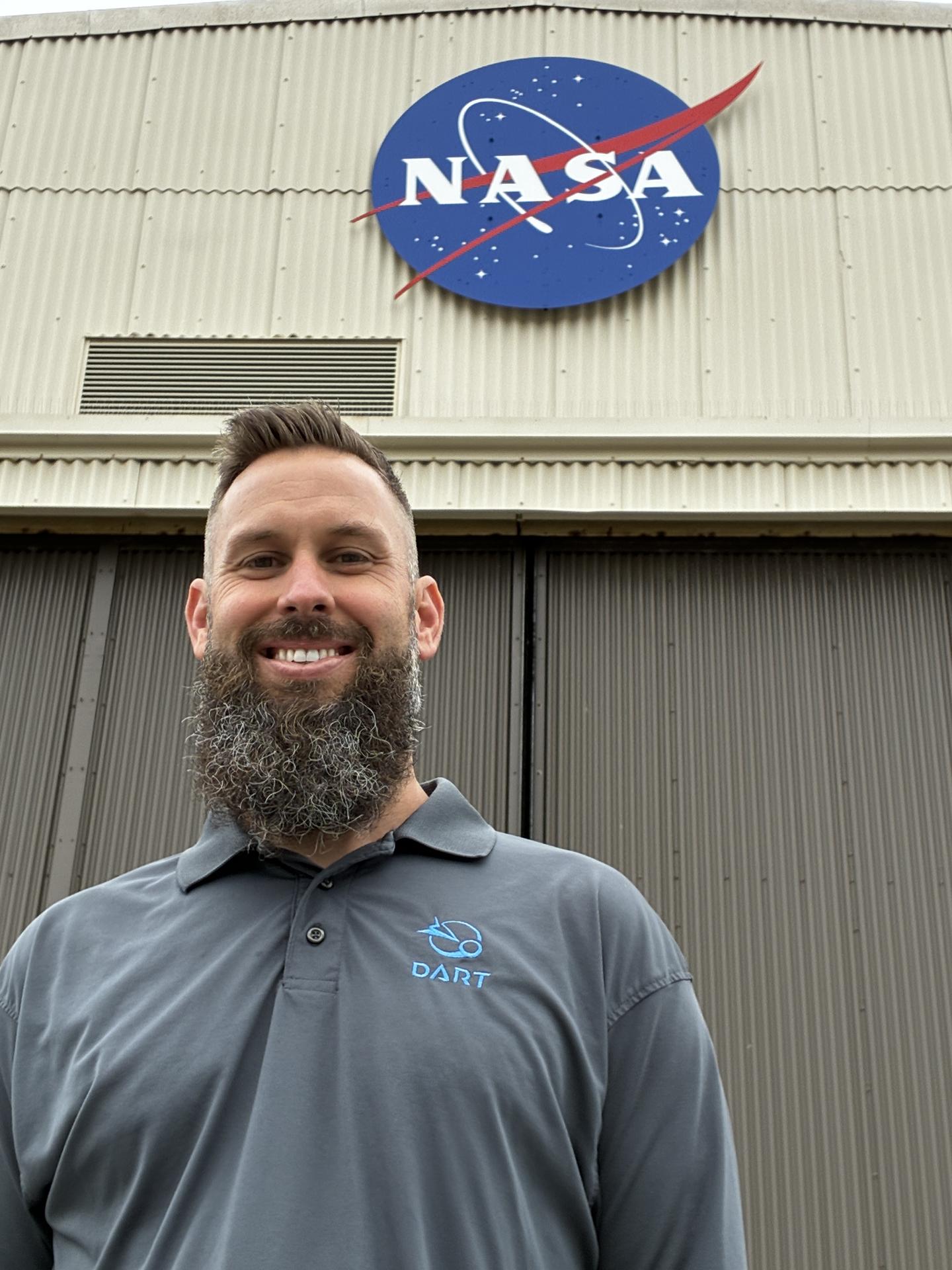
Eric Fernandez joined NASA’s Near Earth Network, tracking spacecraft like Artemis and DART, continuing a family tradition of managing ground stations. Expandin…
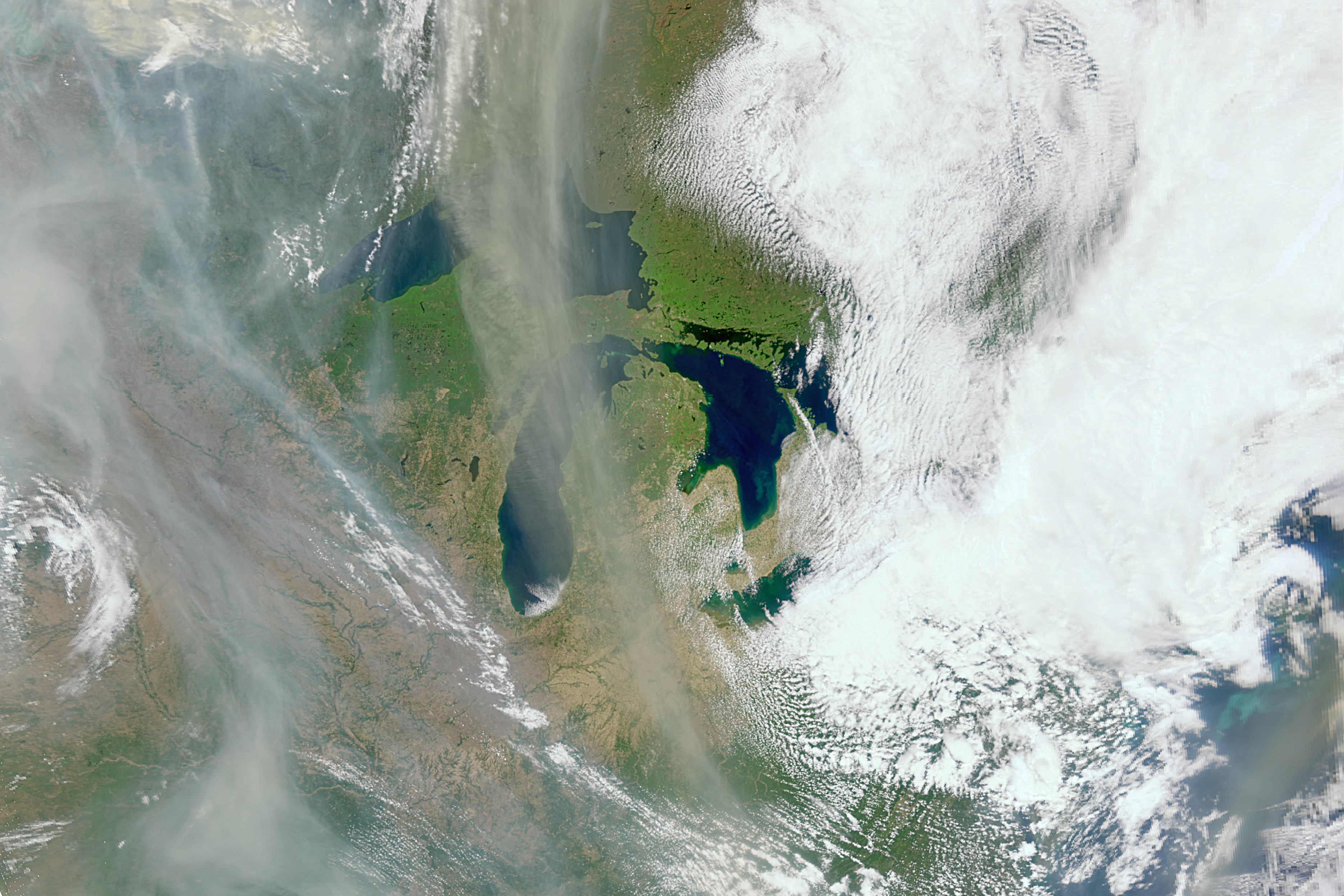
NASA’s PACE satellite tracks wildfire smoke and vegetation patterns to predict fire risks and smoke spread, helping firefighters and policymakers with early wa…

The U.S. and China are racing to establish permanent lunar bases by the 2030s, with designs that could reduce construction waste and yield technologies applica…
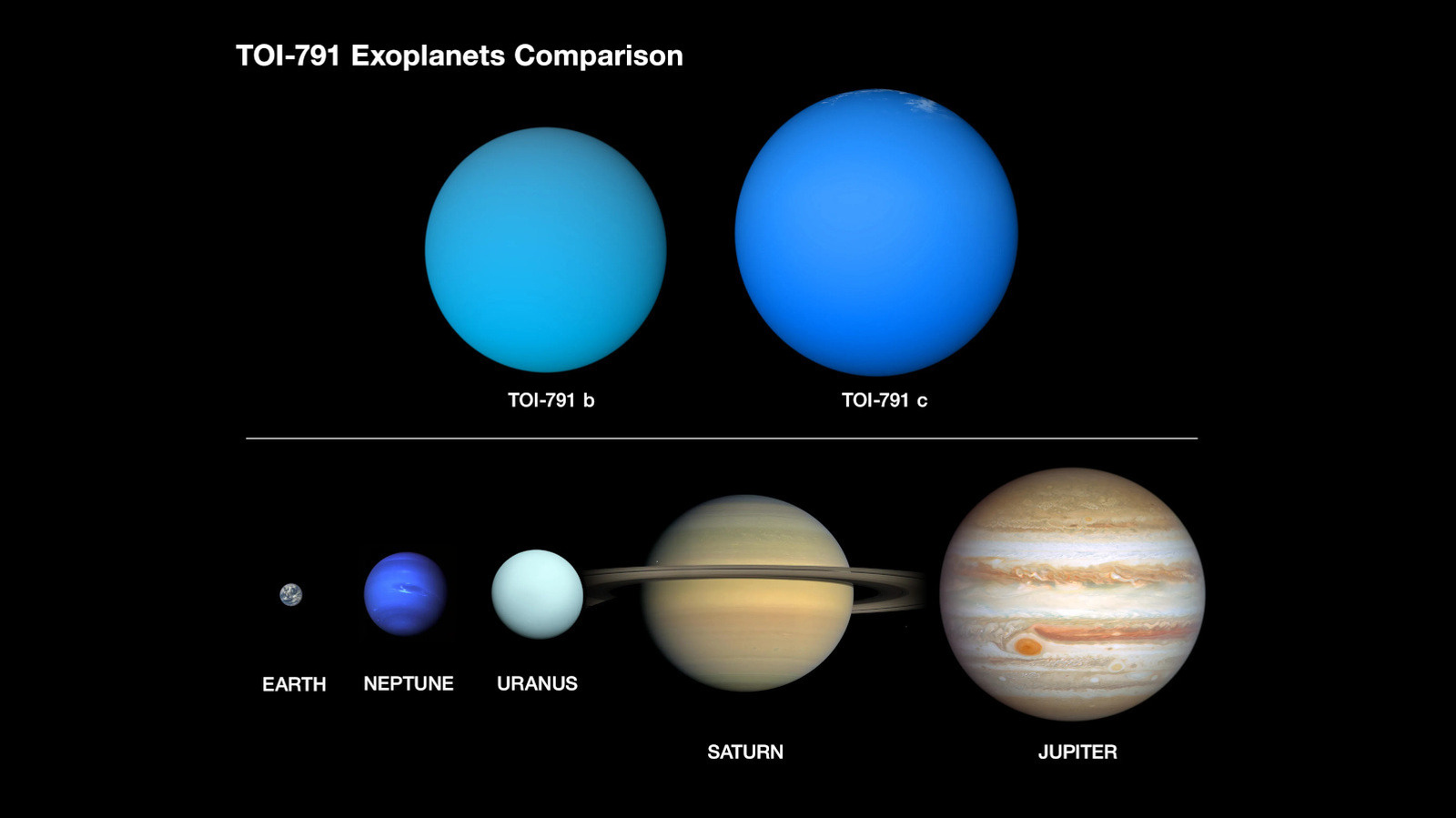
NASA’s TESS discovered two ultra-light exoplanets, TOI-791 b and TOI-791 c, challenging formation theories due to their cotton candy-like density. Their rare s…
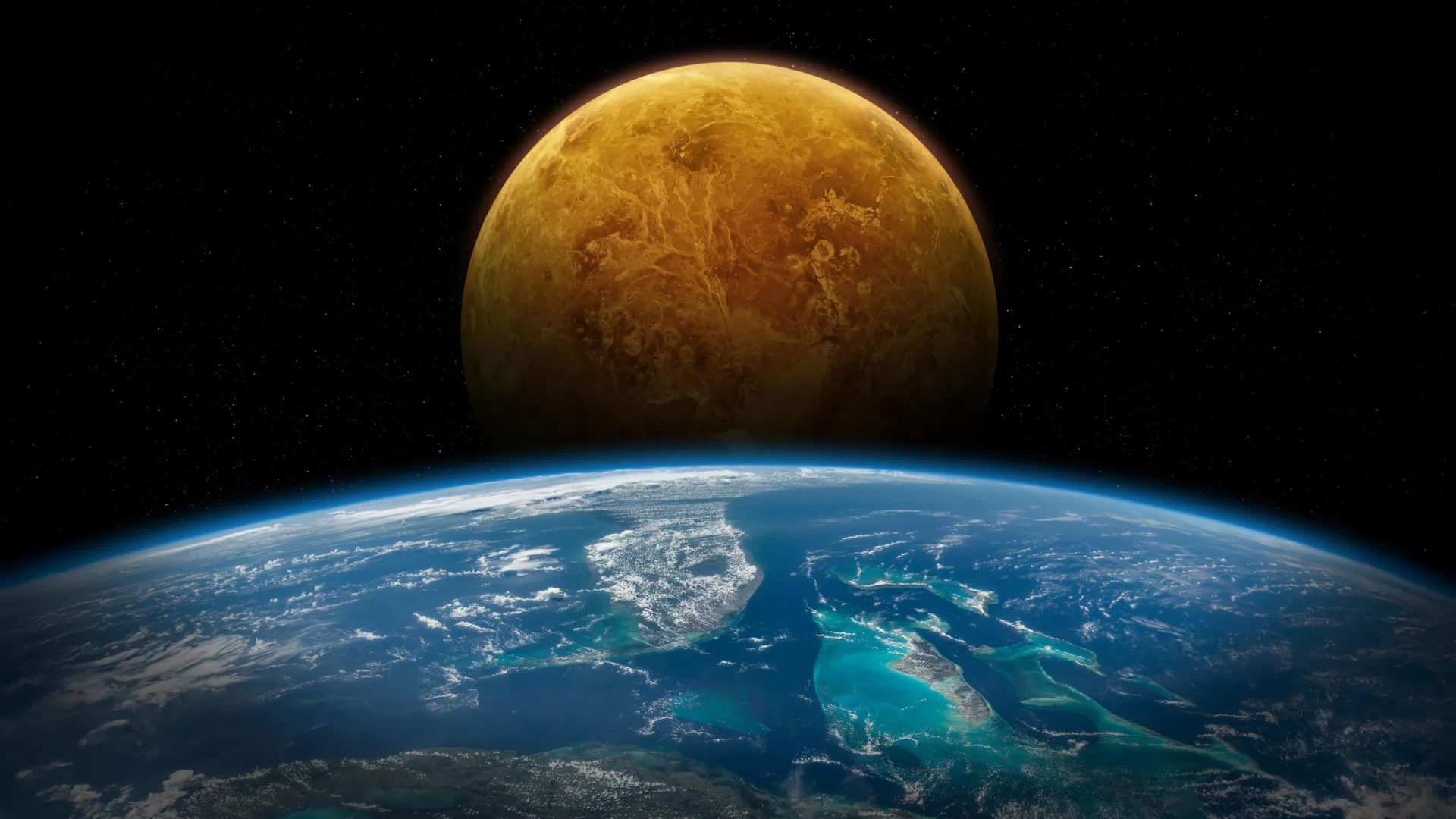
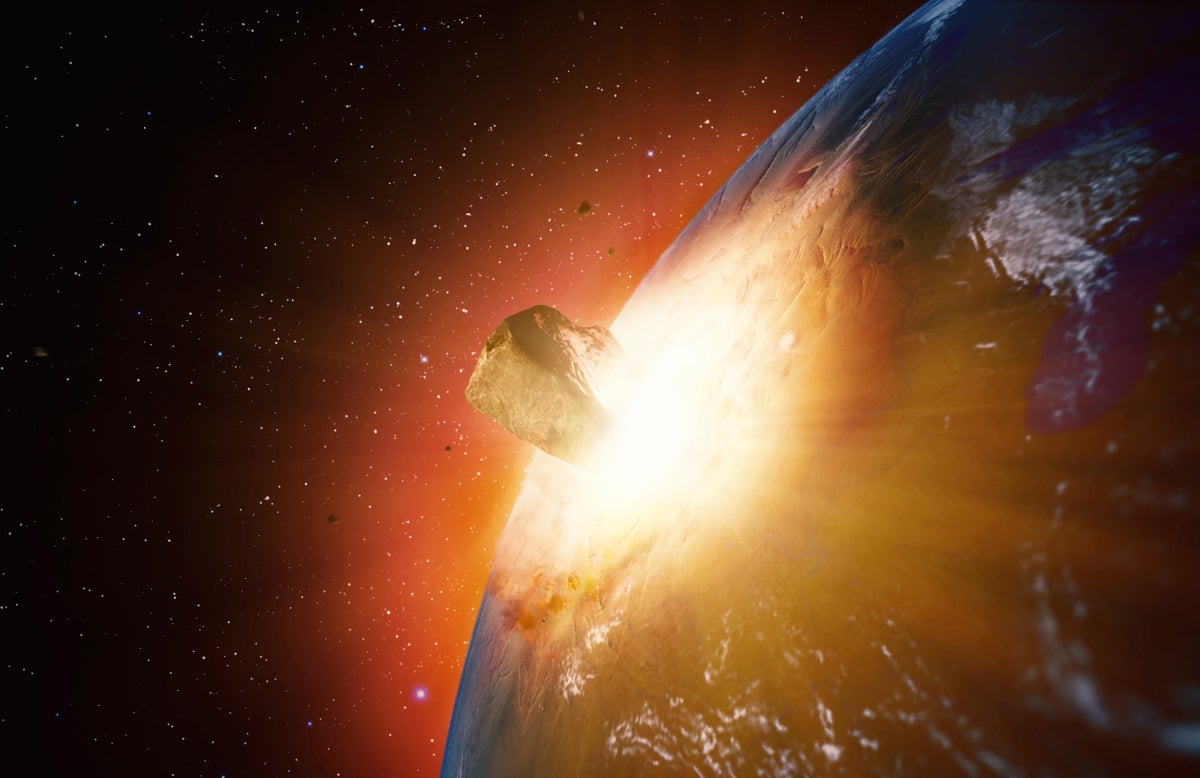
Asteroid impacts may have launched Earth microbes to Venus’s clouds over billions of years, where some could survive in Earth-like conditions. Finding life on …