Choose Language
Select a language for news translation.
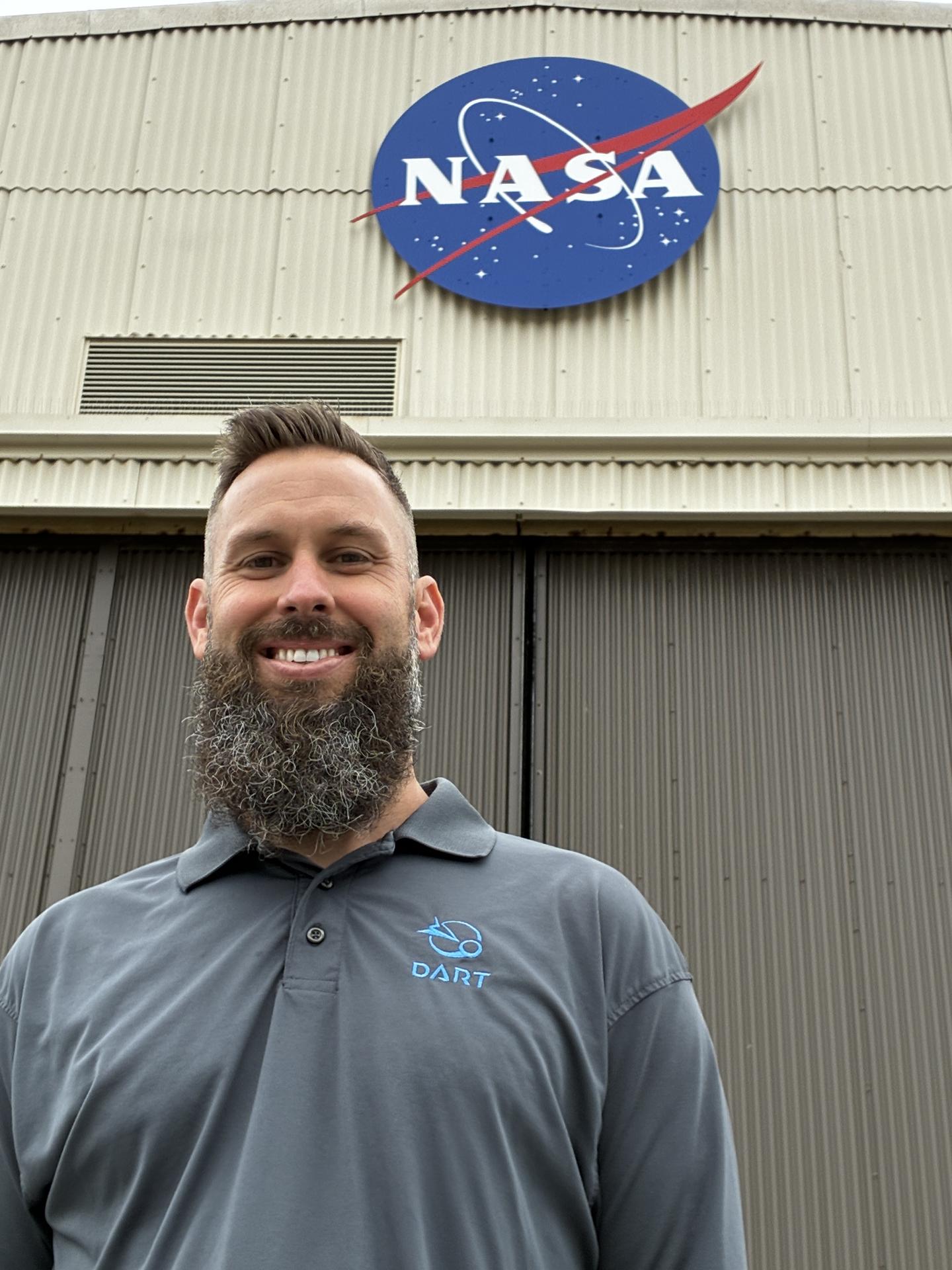
Eric Fernandez joined NASA’s Near Earth Network, tracking spacecraft like Artemis and DART, continuing a family tradition of managing ground stations. Expandin…
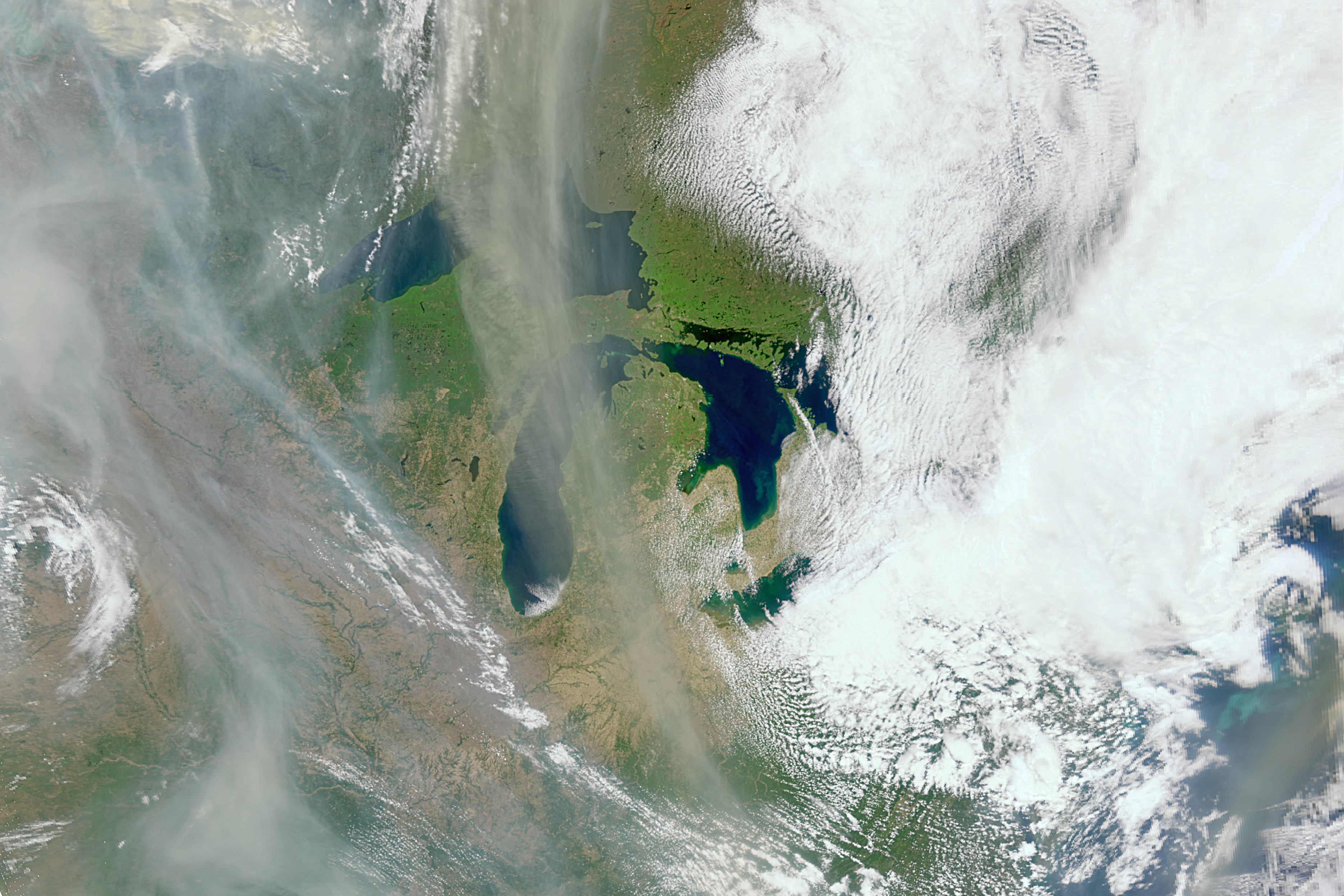
NASA’s PACE satellite tracks wildfire smoke and vegetation patterns to predict fire risks and smoke spread, helping firefighters and policymakers with early wa…

The U.S. and China are racing to establish permanent lunar bases by the 2030s, with designs that could reduce construction waste and yield technologies applica…
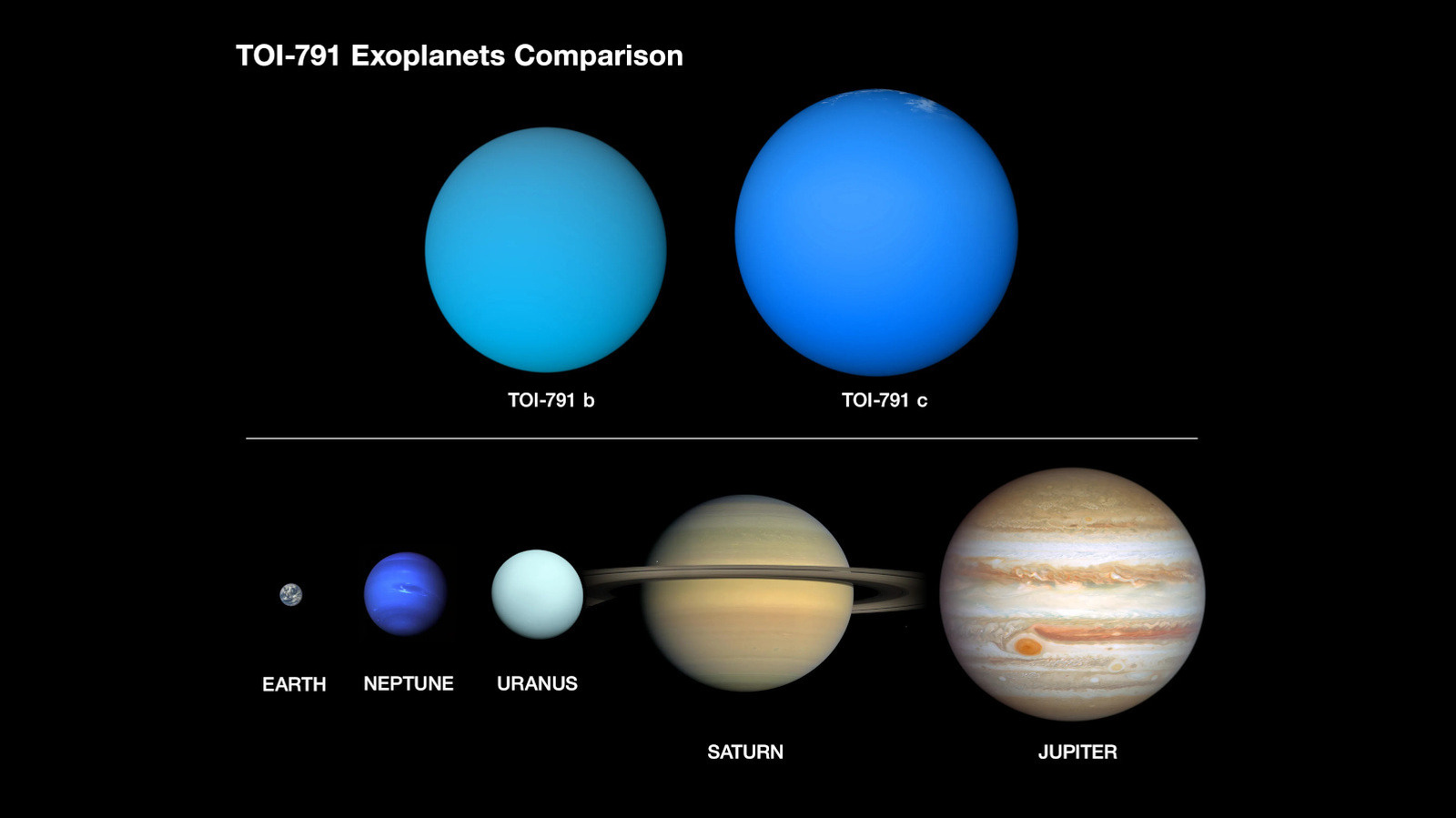
NASA’s TESS discovered two ultra-light exoplanets, TOI-791 b and TOI-791 c, challenging formation theories due to their cotton candy-like density. Their rare s…
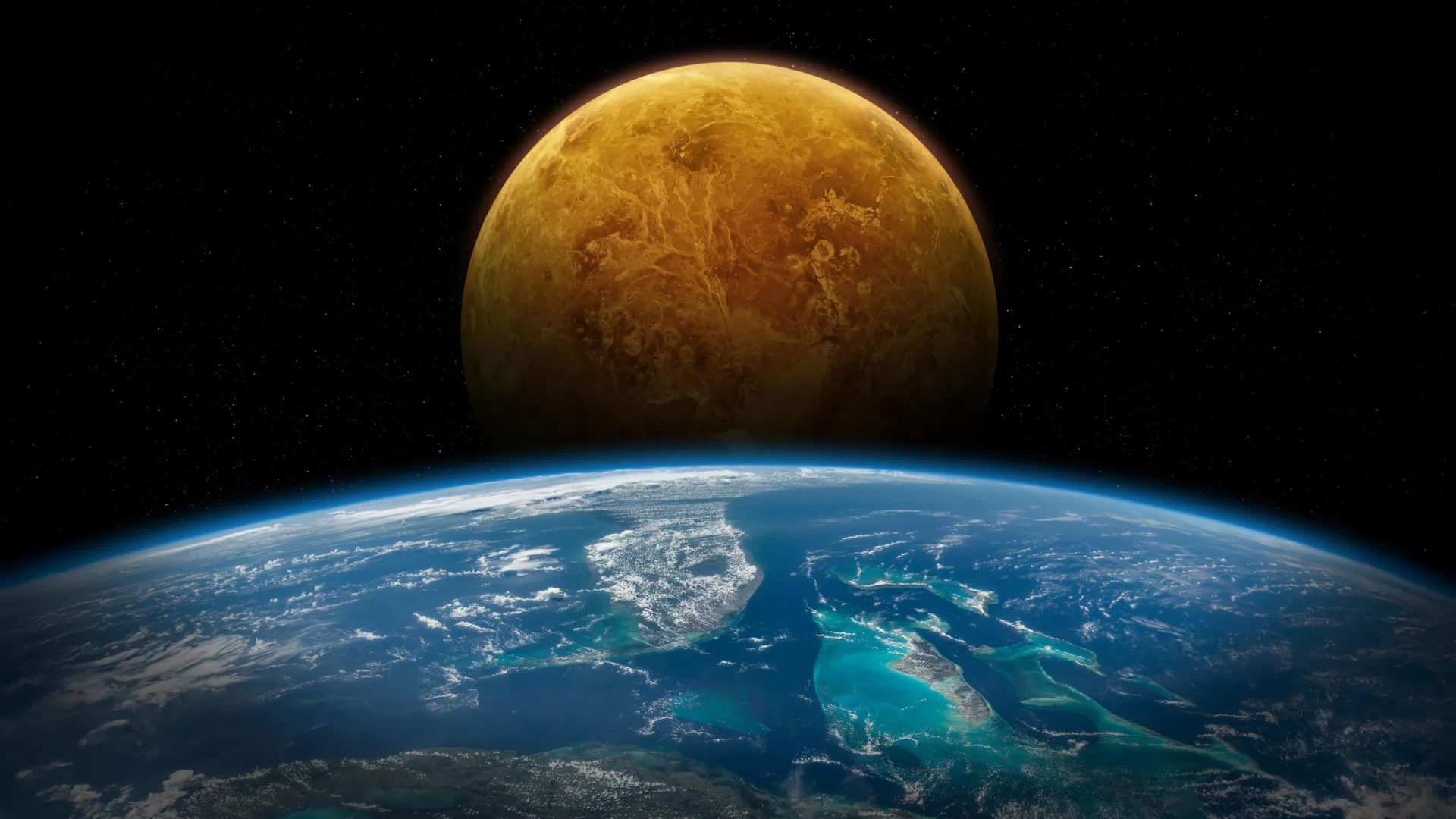
Asteroid impacts may have launched Earth microbes to Venus’s clouds over billions of years, where some could survive in Earth-like conditions. Finding life on …
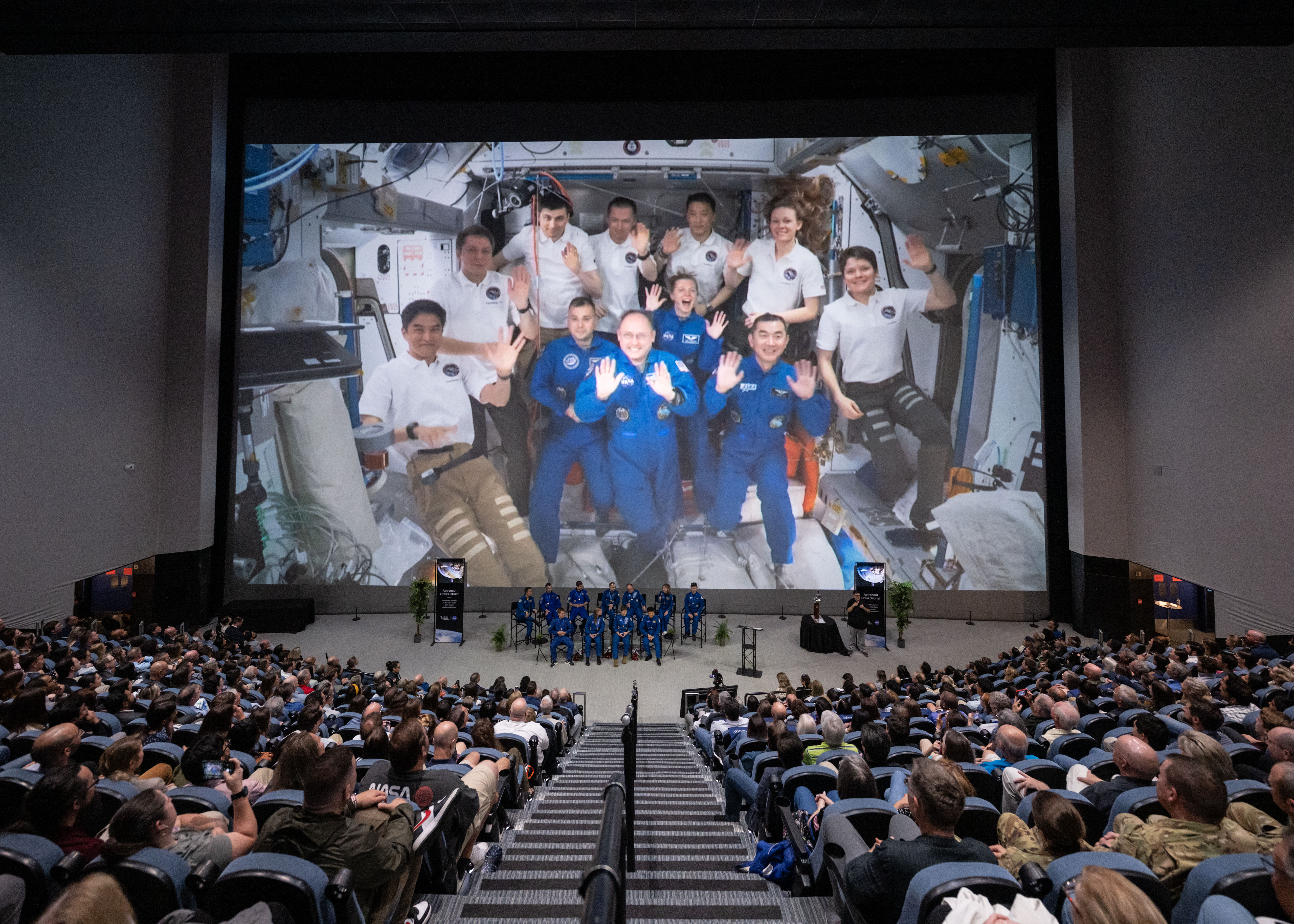
Astronauts from NASA’s SpaceX Crew-10, Russia’s Soyuz MS-27, and SpaceX Crew-11 gathered on June 16 to reflect on their ISS missions, highlighting growing comm…
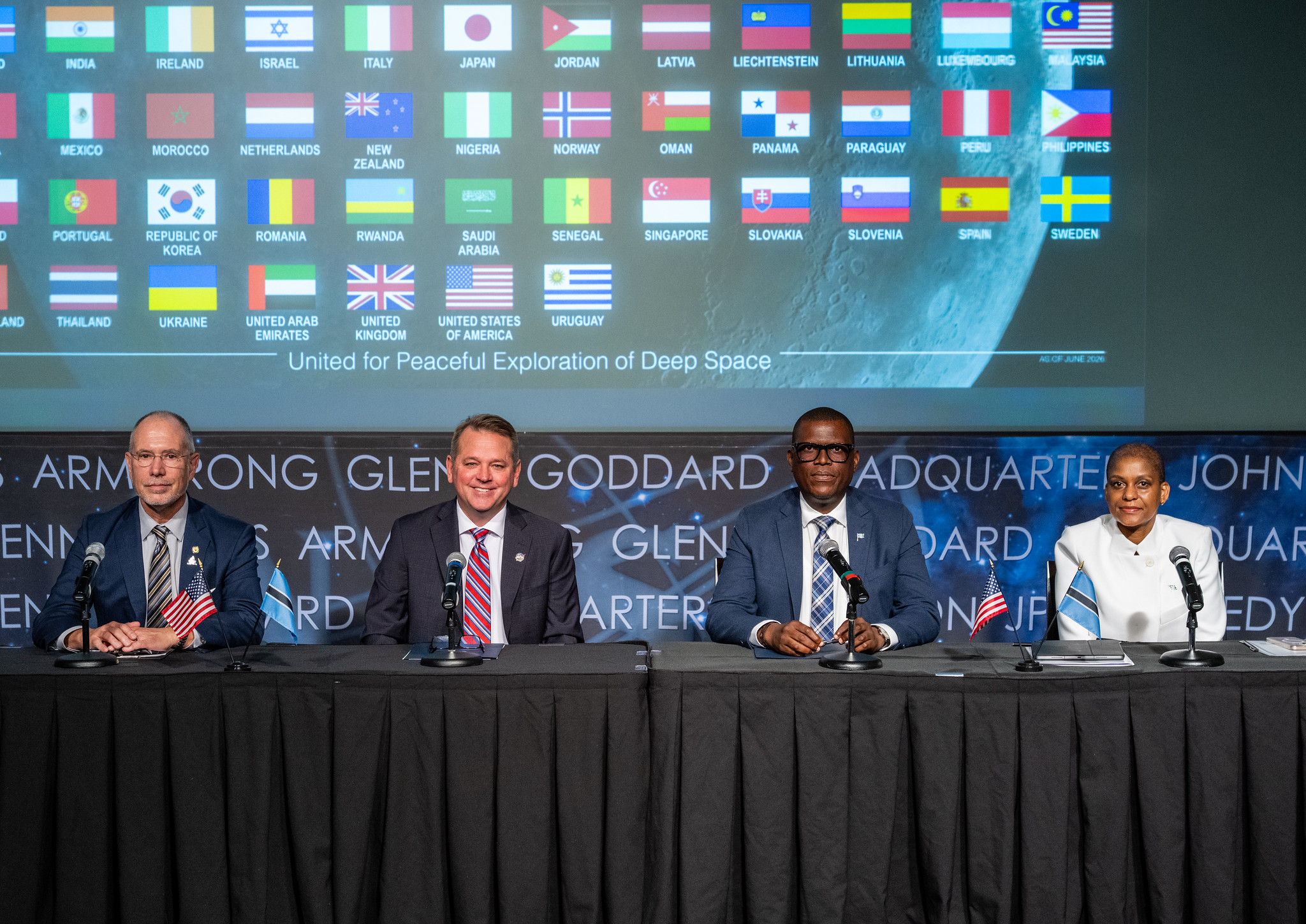
Botswana became the 68th signatory to NASA's Artemis Accords, pledging responsible space exploration and joining five other African nations. This move aligns B…
NASA selected Rocket Lab to launch two science missions—the PolSIR ice-cloud radiometer and TSIS-2 solar sensor—for a fixed price under its VADR program. This …
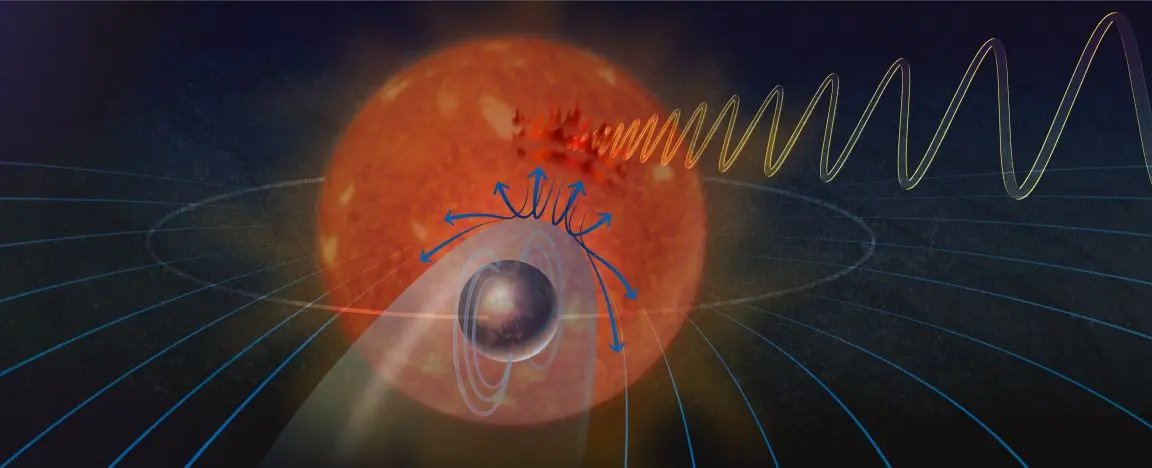
Astronomers discovered planet AU Mic b, 32 light-years away, whose magnetic field briefly merges with its host red dwarf star every 8.5-day orbit, causing dete…

A total solar eclipse will cross North America on April 8, 2024, lasting up to 4.5 minutes and visible from Mexico to Canada, offering a rare 20-year spectacle…
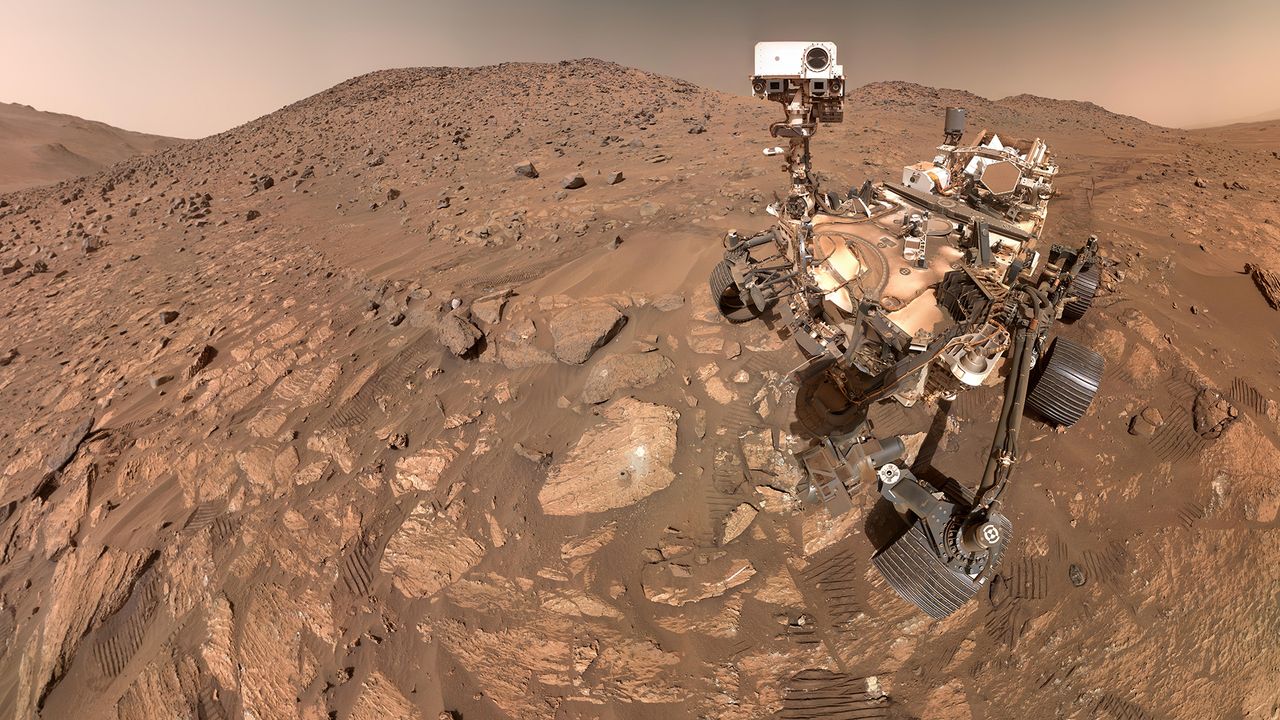
NASA’s Perseverance rover found the highest concentration of complex organic molecules on Mars in a rock from Jezero Crater, a former lake that may have suppor…