Tech Life
The WHO warns of a catastrophic Ebola outbreak in eastern DRC, worsened by conflict, with no vaccine available and 2,000+ deaths since 2018. Armed groups and misinformation hinder aid workers' efforts to contain the virus, which spreads through bodily fluids and has a high fatality rate.

The World Health Organization has issued a stark warning over the escalating crisis in the Democratic Republic of Congo, where a severe Ebola outbreak is colliding with ongoing conflict to create what officials describe as a “catastrophic” scenario. Health authorities are battling to contain the virus in a region plagued by violence, rendering access to affected communities extremely dangerous and undermining containment efforts. This strain of Ebola, for which there is currently no available vaccine, has already claimed lives and poses a growing threat to public health across central Africa. The convergence of disease and insecurity threatens to overwhelm local health systems and deepen humanitarian suffering in one of the world’s most fragile contexts.
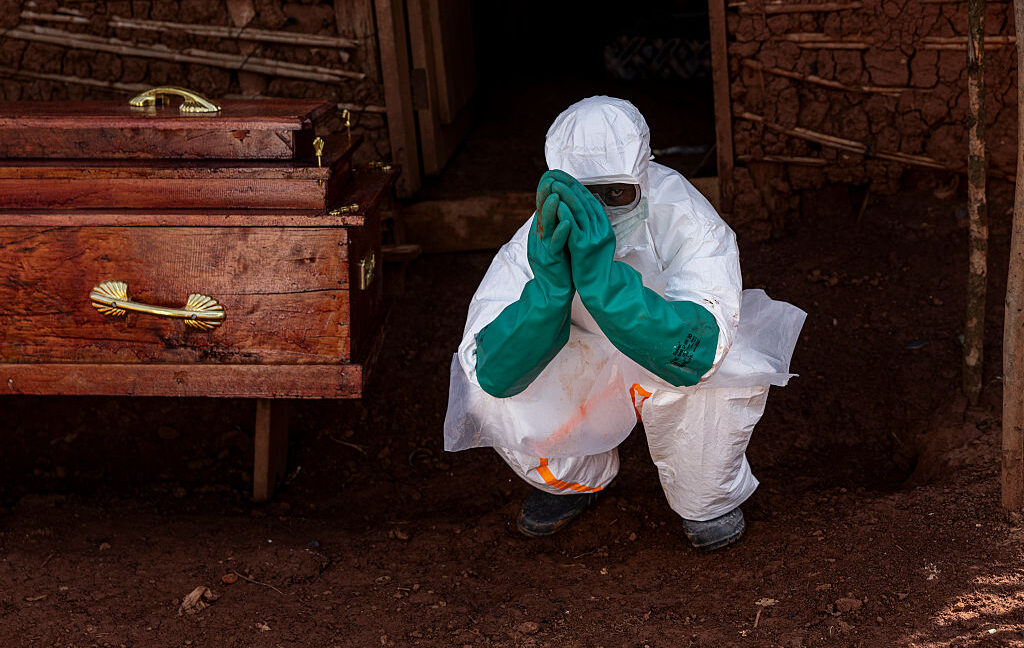
Ebola, a rare but deadly viral hemorrhagic fever, spreads to humans primarily through contact with infected animals, before transmitting between people through bodily fluids. Symptoms are severe and often fatal, including fever, vomiting, and internal bleeding. In eastern DRC, where armed groups control large areas, health workers face extreme difficulty reaching communities in need. Two aid workers operating in the region described harrowing conditions during exclusive interviews, detailing how insecurity and mistrust hinder vaccination campaigns and safe burials—key measures to prevent transmission. Their accounts underscore the dual challenge of treating a lethal disease while navigating a warzone where medical teams are frequently targeted or obstructed.
Amid the crisis, journalists are playing a vital role in countering dangerous misinformation that can fuel panic and hamper containment. Inaccurate claims about the origins of the virus or the effectiveness of prevention methods have already sparked violence against health workers in some areas. Meanwhile, in neighboring Liberia, survivor Harriet shares a deeply personal perspective on the trauma of Ebola. She recounts contracting the virus during a previous outbreak and the anguish of saying goodbye to her daughter, fearing she would not survive. “I said to her, if I don’t survive, please go and continue your life alone with your siblings and family members and just be a good person,” Harriet recalled, reflecting the profound human cost of the disease.
With no vaccine available for this particular strain, health officials are intensifying surveillance and community engagement, but progress remains fragile. The WHO and partners are calling for increased international support to secure safe access, bolster health infrastructure, and prevent the outbreak from spiraling further. As conflict and contagion converge, the international community faces a critical test in protecting vulnerable populations from a preventable tragedy.